



Violence Escalates in al-Mughayyir as Teenager Among Fatalities in Latest Clash
Al-Mughayyir, West Bank — The bloodstained streets of al-Mughayyir bore witness to yet another tragedy this week as a 14-year-old boy became the youngest casualty in a deadly confrontation that has reignited fears of escalating violence in the region. According to the town’s mayor, the teenager was among several individuals shot dead during clashes, underscoring the human toll of a conflict that continues to spiral out of control.
The incident, which occurred in the early hours of Thursday, has drawn international attention to the volatile situation in the West Bank, a region long plagued by tensions between Israeli forces, Palestinian residents, and armed groups. The killing of the boy has sparked outrage among local communities and renewed calls for accountability, even as global leaders grapple with the broader implications of the violence.
Background: A Region on the Brink
The West Bank has been a flashpoint of conflict for decades, with competing claims over land, resources, and sovereignty fueling intermittent violence. The Oslo Accords of the 1990s offered a glimmer of hope for peace, but decades of stalled negotiations, expanding Israeli settlements, and periodic clashes have left the region precariously balanced on the edge of chaos.
Recent months have seen a sharp uptick in hostilities, with Israeli military operations targeting alleged militants and Palestinian factions retaliating with attacks on Israeli civilians and security forces. The United Nations has repeatedly warned of a deteriorating humanitarian situation, citing a rise in civilian casualties, displacement, and economic hardship.
The killing of the 14-year-old in al-Mughayyir is a stark reminder of the human cost of this ongoing strife. Eyewitnesses reported that the boy was caught in the crossfire during a confrontation between Israeli forces and local residents, though the exact circumstances remain unclear. The incident has sparked protests across the town, with residents demanding justice and an end to the violence.
Global Context: Why This Matters
The escalation in al-Mughayyir is not an isolated event but part of a broader pattern of instability that has far-reaching implications for global security. The Israeli-Palestinian conflict remains one of the most intractable disputes in modern history, with the potential to destabilize not only the Middle East but also the wider international community.
For the United States and its allies, the conflict poses a delicate diplomatic challenge. As a key ally of Israel, Washington has historically played a central role in mediating peace talks, but its influence has waned in recent years amid shifting geopolitical priorities. Meanwhile, regional powers such as Iran and Turkey have sought to capitalize on the instability, using the conflict as a rallying cry for their own agendas.
The violence in al-Mughayyir also highlights the plight of civilians caught in the crossfire. According to human rights organizations, the number of Palestinian casualties in the West Bank has surged in 2023, with children and teenagers disproportionately affected. This trend has drawn condemnation from international bodies, including the European Union, which has called for an immediate de-escalation and respect for human rights.
The Human Toll
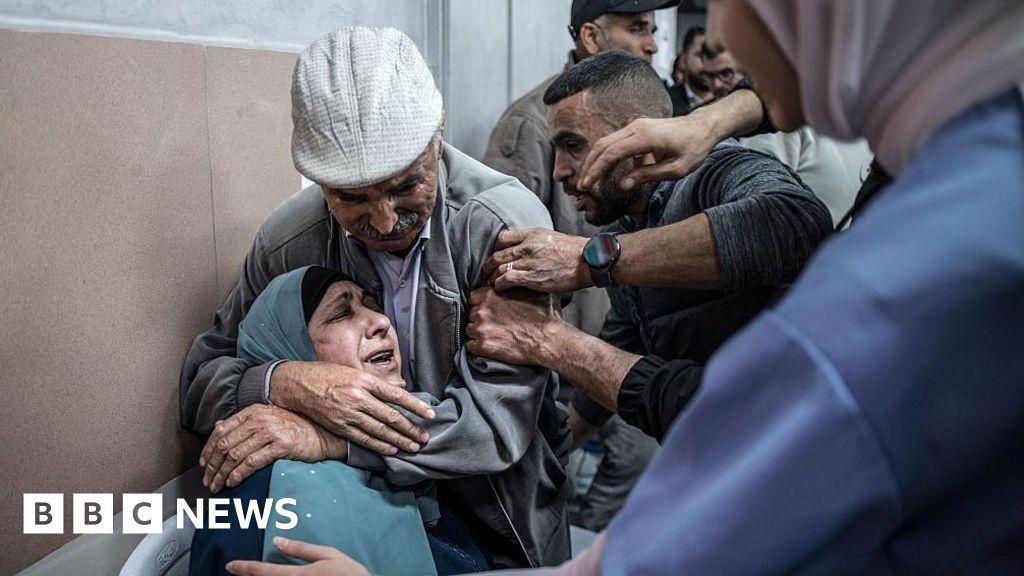
The death of the 14-year-old boy has left al-Mughayyir in mourning, with families gathering to grieve and demand answers. “He was just a child,” said one resident, speaking on condition of anonymity. “He had his whole life ahead of him, and now he’s gone because of this endless cycle of violence.”
The boy’s killing has also reignited debates about the use of force in conflict zones. Critics argue that heavy-handed tactics often result in unnecessary civilian casualties, while defenders of Israel’s security forces contend that they are responding to genuine threats posed by armed groups.
Whatever the justification, the loss of young lives underscores the urgency of finding a sustainable solution to the conflict. As the number of casualties continues to rise, so too does the risk of further radicalization, making peace an increasingly distant prospect.
Looking Ahead: A Call for Action
As the international community grapples with the fallout from the latest violence, questions remain about how to break the cycle of retaliation and bloodshed. Some analysts advocate for renewed diplomatic efforts, emphasizing the need for a two-state solution that addresses the legitimate aspirations of both Israelis and Palestinians. Others argue that more immediate measures, such as increased international oversight and humanitarian aid, are necessary to alleviate the suffering of civilians.
For now, the people of al-Mughayyir are left to pick up the pieces in the wake of yet another tragedy. The death of the 14-year-old boy serves as a poignant reminder of the stakes involved — and the urgent need for action to prevent further loss of life.
Conclusion: A Conflict with No End in Sight
The violence in al-Mughayyir is a microcosm of a broader crisis that shows no signs of abating. As global leaders convene in forums and summits to discuss security and stability, the voices of those on the ground — the grieving parents, the terrified children, the weary civilians — must not be forgotten. The killing of a 14-year-old boy is not just a statistic; it is a call to action for the world to confront the harsh realities of a conflict that has dragged on for far too long. Until a lasting solution is found, the cycle of violence will continue, claiming more lives and leaving a trail of devastation in its wake.
