



Tilray CEO Optimistic About US Cannabis Deregulation, Eyes ‘Tremendous’ Opportunities
As global cannabis markets continue to evolve, Tilray Brands, one of the world’s leading cannabis producers, is positioning itself to capitalize on what its CEO describes as a “tremendous” opportunity in the United States. In a recent interview on Bloomberg’s The Close, Irwin Simon, Tilray’s CEO, expressed confidence in the potential easing of cannabis restrictions in the US, a move that could transform the industry and open doors for Canadian companies like Tilray to expand their footprint south of the border.
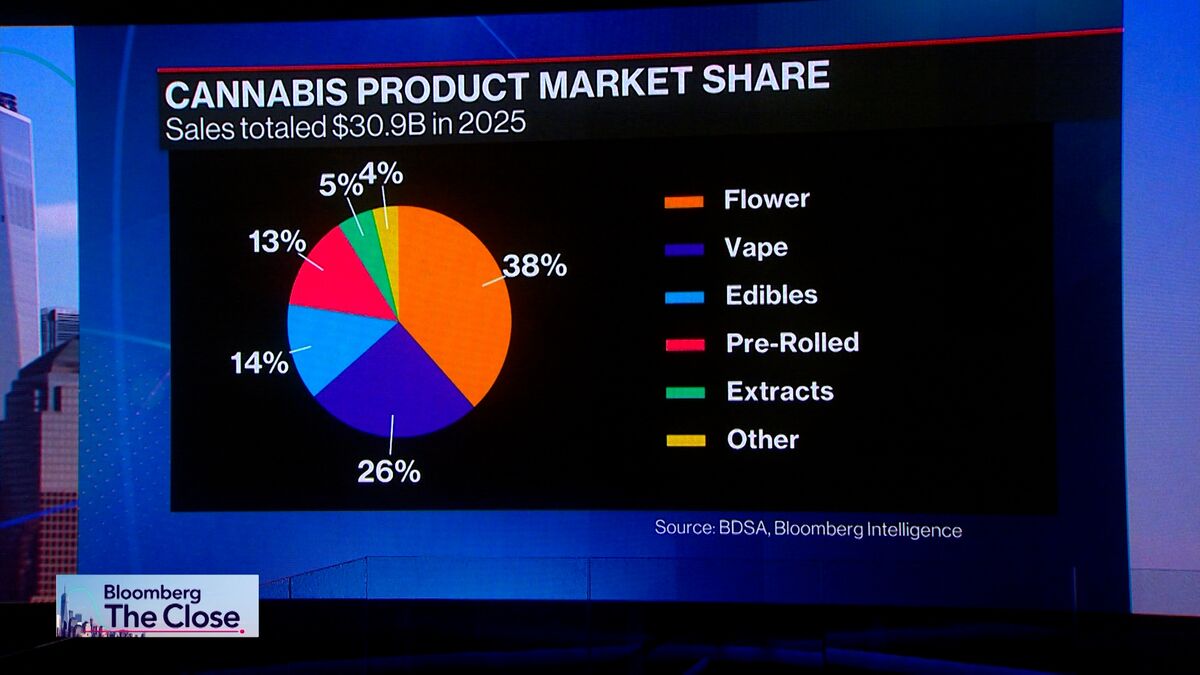
The US cannabis market, valued at over $30 billion in 2023, remains a tantalizing prospect for international players like Tilray, despite current federal restrictions that prevent them from directly participating in the American market. With state-level legalization gaining momentum and growing bipartisan support for federal reform, Simon believes the landscape is poised for significant change. “The opportunity in the United States is tremendous,” he emphasized during the interview, underscoring the company’s strategic readiness to pivot once regulatory hurdles are lifted.
A Fragmented Market with Unmatched Potential
The US cannabis industry operates in a complex and fragmented regulatory environment. While 38 states have legalized cannabis for medical or recreational use, it remains classified as a Schedule I substance under federal law, creating a patchwork of regulations that stifle interstate commerce and limit access to traditional financial services for cannabis businesses. Despite these challenges, the US market continues to grow, driven by consumer demand and increasing public acceptance of cannabis as a legitimate industry.
For Tilray, which operates primarily in Canada and Europe, the US represents a potential goldmine. The company has already begun laying the groundwork for entry into the American market through strategic acquisitions and partnerships. In 2021, Tilray acquired SweetWater Brewing Company, a craft beer producer based in Atlanta, Georgia, marking its first major foray into the US market. While SweetWater does not currently produce cannabis-infused beverages, Simon has hinted at plans to explore this segment once federal regulations allow.
“We’ve been patient, but we’re also proactive,” Simon said during the interview. “We’ve built a foundation that positions us to scale quickly when the time comes.”
The Push for Federal Reform
The potential for federal cannabis reform has gained traction in recent years, driven by a combination of public opinion, economic incentives, and political dynamics. Public support for legalization has reached record highs, with a 2023 Gallup poll showing that 70% of Americans are in favor of legalizing cannabis. At the same time, lawmakers on both sides of the aisle have introduced bills aimed at decriminalizing cannabis and addressing the disparities caused by decades of prohibition.
One of the most significant developments came in 2022 when President Joe Biden announced a historic shift in federal cannabis policy. The administration issued pardons for thousands of individuals convicted of simple cannabis possession and initiated a review of the drug’s Schedule I classification. While progress has been slower than some advocates had hoped, Simon remains optimistic that change is on the horizon.
“The momentum is undeniable,” he said. “This is not just about economics anymore—it’s about social justice, public health, and aligning federal policy with what’s happening at the state level.”
Tilray’s Strategic Positioning
As one of the largest cannabis companies in the world, Tilray has the resources and expertise to compete in a deregulated US market. The company, headquartered in Ontario, Canada, has diversified its operations to include not only cannabis but also hemp-based products, pharmaceuticals, and alcoholic beverages. This diversification has helped Tilray weather the volatility of the cannabis industry, which has faced challenges such as oversupply, price compression, and regulatory uncertainty.
Simon highlighted Tilray’s focus on building a global brand during the Bloomberg interview. “It’s not just about selling cannabis,” he said. “It’s about creating products and experiences that resonate with consumers.”
In the US, Tilray’s strategy appears to focus on leveraging its existing assets while awaiting federal reform. The SweetWater acquisition, for example, provides the company with a well-established distribution network and a recognizable brand that could easily transition into producing cannabis-infused beverages. Tilray has also invested in hemp-derived CBD products, which are legal at the federal level under the 2018 Farm Bill.
Challenges and Opportunities Ahead
Despite the optimism surrounding federal reform, significant challenges remain. The cannabis industry faces intense competition, regulatory uncertainty, and the lingering stigma associated with the drug. For international companies like Tilray, navigating the complexities of the US market will require careful planning and execution.
Simon acknowledged these challenges but remained steadfast in his belief in the industry’s potential. “This is a marathon, not a sprint,” he said. “But we’re in it for the long haul.”
The potential easing of cannabis restrictions in the US could also spark a wave of consolidation as companies vie for market share. Tilray, which has previously pursued mergers and acquisitions, is well-positioned to play a leading role in shaping the future of the industry.
A Global Perspective
While the US market is a key focus for Tilray, Simon also emphasized the importance of international opportunities. The company has established a strong presence in Europe, where medical cannabis markets are expanding rapidly. Germany, in particular, has emerged as a major growth driver, with Tilray recently securing a landmark deal to supply medical cannabis to German pharmacies.
“The global cannabis market is still in its infancy,” Simon noted. “There’s so much potential for growth, and we’re committed to being at the forefront of that evolution.”
Conclusion
As the US moves closer to potential cannabis reform, the industry stands on the brink of a transformative shift. For companies like Tilray, the opportunities are immense, but so are the challenges. Irwin Simon’s optimism reflects a broader sentiment within the industry that change is inevitable—and that those who are prepared will reap the rewards.
The road ahead may be uncertain, but one thing is clear: the US cannabis market is poised to become a defining battleground for the global cannabis industry. Whether Tilray can translate its strategic foresight into success remains to be seen, but its CEO’s confidence suggests the company is ready to seize the moment when it arrives.
