



Tensions Escalate as Iran-US Talks Hang in the Balance
The fragile ceasefire between Iran and the United States teeters on the brink of collapse as diplomatic efforts falter, raising fears of a renewed escalation in one of the world’s most volatile geopolitical flashpoints. With both sides locked in a tense standoff, Iran’s Foreign Ministry has signaled uncertainty over whether its delegation will attend a critical round of talks in Islamabad. This hesitation comes amid accusations of U.S. aggression, including a naval blockade and the seizure of an Iranian vessel, further complicating efforts to avert a full-blown crisis.
The stakes are high. A breakdown in dialogue could destabilize not only the Middle East but also ripple across global energy markets, international trade, and broader U.S.-Iran relations. As the clock ticks toward the expiration of the ceasefire, the world watches anxiously to see whether diplomacy can prevail over brinkmanship.
Global Context: A Decades-Long Standoff
The U.S.-Iran conflict is rooted in decades of mistrust, economic sanctions, and geopolitical rivalry. The 2015 nuclear deal, formally known as the Joint Comprehensive Plan of Action (JCPOA), briefly offered a glimmer of hope for normalized relations. However, the U.S. withdrawal from the agreement under the Trump administration in 2018 reignited tensions, leading to a series of tit-for-tat escalations, including missile strikes, cyberattacks, and assassinations of top military leaders.
Iran’s uranium enrichment program, which has expanded significantly since the collapse of the JCPOA, remains a focal point of concern for the international community. The Biden administration’s attempts to revive the nuclear deal have faced numerous obstacles, including Iran’s demands for sanctions relief and guarantees against future U.S. withdrawals. Meanwhile, Iran’s regional influence through proxy groups in Yemen, Lebanon, and Syria continues to draw sharp criticism from Washington and its allies.
Current Crisis: Naval Blockades and Broken Trust
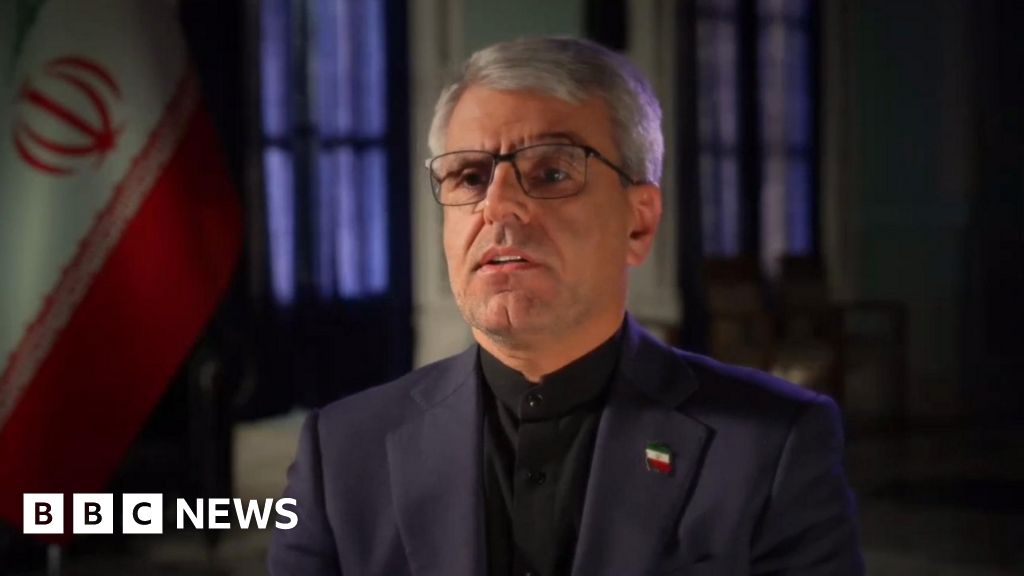
Recent developments have added fuel to the fire. Iranian Foreign Ministry spokesman Esmail Baghaei has accused the U.S. of violating the ceasefire by imposing a naval blockade on Iranian ports and seizing an Iranian vessel. These actions, he claims, are part of a broader pattern of aggression that undermines Iran’s sovereignty and complicates efforts to resume talks.
“There have been many violations of the ceasefire… during the course of two days, they have attacked Iranian vessels,” Baghaei stated in an interview with the BBC. He emphasized that Tehran is still deliberating on the conditions necessary for its return to the negotiating table, suggesting that trust between the two nations remains in short supply.
The U.S. has yet to publicly respond to these allegations, but President Joe Biden’s administration has repeatedly stressed its commitment to diplomacy. However, with former President Donald Trump’s threats to “destroy Iran’s infrastructure” still echoing in Iranian ears, skepticism about American intentions persists in Tehran.
Why This Matters: Global Implications
The outcome of these negotiations has far-reaching consequences. A failure to reach an agreement could reignite hostilities, jeopardizing maritime security in the Persian Gulf—a critical chokepoint for global oil shipments. Any disruption to this region could send shockwaves through global energy markets, driving up fuel prices and exacerbating inflationary pressures worldwide.
Moreover, a collapse in U.S.-Iran diplomacy could embolden hardliners in both countries, further entrenching divisions and reducing the likelihood of future negotiations. This, in turn, could destabilize the broader Middle East, where Iran’s influence is already a source of tension with Israel, Saudi Arabia, and other U.S. allies.
For the international community, the stakes extend beyond the nuclear issue. A breakdown in talks could undermine global efforts to prevent nuclear proliferation, setting a dangerous precedent for other nations seeking to develop their own nuclear capabilities.
Diplomatic Efforts: A Race Against Time
Behind the scenes, efforts are underway to salvage the situation. The BBC reports that discussions are ongoing to create the conditions necessary for talks to resume before the ceasefire expires. While details remain scarce, sources suggest that mediators are working to address Iran’s concerns about U.S. actions while ensuring Washington’s priorities are met.
The involvement of third-party mediators, including regional powers and international organizations, could prove crucial in bridging the gap between the two adversaries. However, with both sides entrenched in their positions, the path to a breakthrough remains uncertain.
On the Ground: Reporting from Tehran
Coverage of the crisis is further complicated by Iran’s restrictions on international media. The BBC’s chief international correspondent, Lyse Doucet, is reporting from Tehran under strict conditions, including a ban on using her material for the BBC’s Persian Service. These limitations reflect the Iranian government’s sensitivity to foreign media presence and its efforts to control the narrative surrounding the ongoing tensions.
Such restrictions highlight the challenges of obtaining accurate, unbiased information in a highly charged and tightly controlled environment. They also underscore the broader struggle for transparency in a conflict where misinformation and propaganda often cloud the truth.
A Fragile Hope for Peace
As the deadline for the ceasefire looms, the world holds its breath. The potential for renewed conflict between the U.S. and Iran is a sobering reminder of the high cost of failed diplomacy. Yet, amid the uncertainty, there remains a glimmer of hope—that dialogue, however fraught, can still prevail over confrontation.
For now, the ball is in both nations’ courts. The choices they make in the coming days will not only shape their bilateral relations but also determine the trajectory of global security for years to come. In a world already grappling with multiple crises, the stakes could hardly be higher.
