


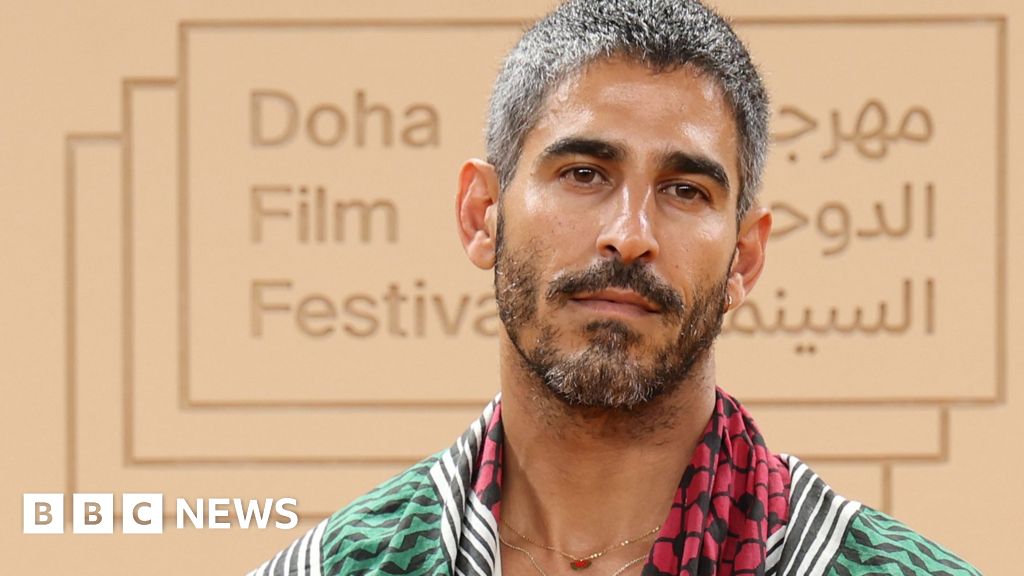

Journalist Ahmed Shihab-Eldin Faces Charges for Reposting Iran War Images: A Global Security Dilemma
The thin line between freedom of expression and state security continues to spark international debate as journalist Ahmed Shihab-Eldin faces charges for allegedly spreading false information after reposting images tied to the Iran war. This unfolding case highlights the growing tension between governments and media professionals in an era where digital platforms amplify both truth and disinformation.
The Case Against Shihab-Eldin
Ahmed Shihab-Eldin, a prominent journalist and digital media personality, has reportedly been charged with disseminating false information following his reposting of images purportedly related to the Iran war. The exact nature of the images and their connection to the conflict remain unclear, but the charges underscore the risks journalists face in an increasingly polarized digital landscape. Authorities argue that such actions can destabilize national security by spreading misinformation, while critics view the charges as an attempt to stifle press freedom and suppress inconvenient narratives.
Shihab-Eldin, known for his work with Al Jazeera and his contributions to global media discourse, has yet to publicly comment on the charges. His case has already drawn attention from international human rights organizations, which warn that such prosecutions set a dangerous precedent for journalists worldwide.
Global Context: The Iran War and Information Warfare
The Iran war, a protracted and multifaceted conflict involving regional and global powers, has long been a flashpoint for geopolitical tension. The war’s complexity—encompassing proxy battles, economic sanctions, and diplomatic standoffs—has made it fertile ground for misinformation and propaganda. In this context, images and narratives circulating online can have profound implications, shaping public opinion and influencing policy decisions.
Governments, particularly those directly involved in the conflict, have intensified efforts to control the flow of information. This has led to the increasing criminalization of actions deemed harmful to state security, even when those actions involve the sharing of content by journalists. The charges against Shihab-Eldin reflect this broader trend, where the lines between legitimate journalism, activism, and perceived threats to national security are increasingly blurred.
Why It Matters Globally
The case against Shihab-Eldin is not an isolated incident but part of a global pattern of governments cracking down on free expression under the guise of combating misinformation. From Russia to Myanmar, journalists and activists face similar charges, often with severe consequences. This trend raises critical questions about the balance between security and liberty in the digital age.
For journalists, the implications are dire. The ability to report on conflicts and share information—even when controversial—is essential to holding power to account. When governments criminalize such activities, it undermines the role of the media as a watchdog and erodes public trust in democratic institutions.
Moreover, the global nature of digital platforms means that actions taken in one country can have ripple effects worldwide. Policies targeting journalists in one region can inspire similar measures elsewhere, creating a chilling effect on press freedom globally. In an era where information travels faster than ever, the stakes for both governments and journalists have never been higher.
The Human Cost of Information Control
Behind the legal charges and geopolitical implications lies a human story. Journalists like Shihab-Eldin often risk their safety to shed light on critical issues, from war crimes to political corruption. When they face prosecution for their work, it sends a message that truth-telling is not only dangerous but punishable.
This case also raises concerns about the broader impact on societies. When governments restrict access to information, it becomes harder for citizens to make informed decisions. In conflict zones like Iran, where misinformation can fuel violence, the role of credible journalism is even more vital. Targeting journalists undermines this role, leaving populations vulnerable to manipulation and coercion.
A Call for Global Accountability
The international community has a responsibility to address this growing threat to press freedom. Organizations like the United Nations and human rights groups must hold governments accountable for actions that contravene international standards on free expression. At the same time, tech companies must grapple with their role in moderating content while upholding the principles of free speech.
Efforts to combat misinformation should not come at the expense of journalistic integrity. Governments, media organizations, and tech platforms must work together to develop frameworks that protect both security and liberty. Without such measures, the world risks descending into an era where truth is silenced, and power goes unchecked.
Conclusion: A Defining Moment for Press Freedom
The charges against Ahmed Shihab-Eldin represent a defining moment in the ongoing struggle for press freedom. His case underscores the precarious position of journalists in a world where information is both a weapon and a shield. As governments tighten their grip on the narrative, the role of the media as a safeguard of democracy becomes even more crucial.
The outcome of this case will resonate far beyond the borders of Iran, shaping the future of journalism and free expression worldwide. In a time of unprecedented global challenges, from war to climate change, the need for fearless, truthful reporting has never been greater. The world must not let that light be extinguished.
