



Russian Missile Strike on Dnipro Kills Civilians Amid Escalating Ukraine Offensive
Breaking: Deadly Attack on Residential Area
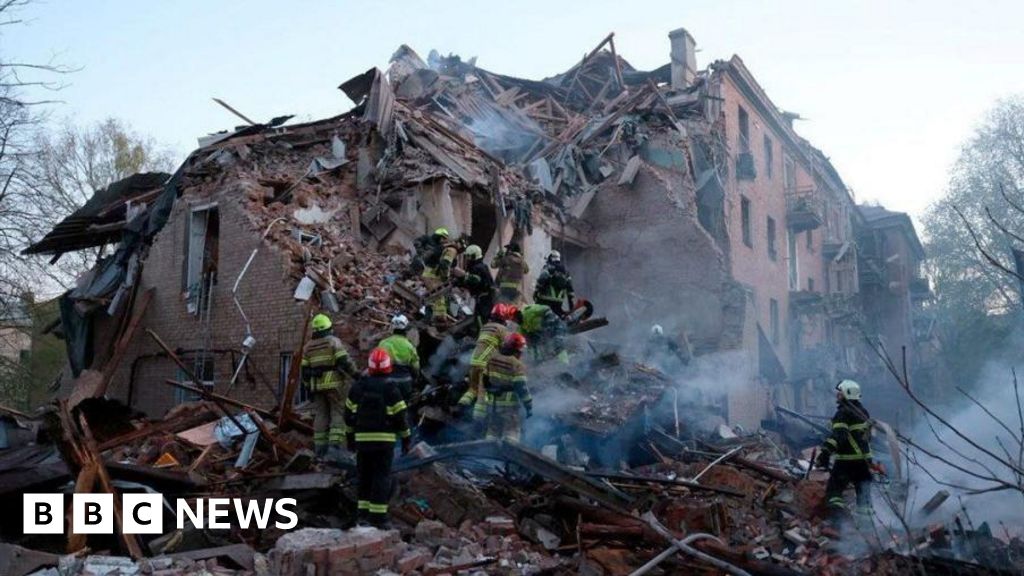
A Russian missile strike tore through a residential building in the central Ukrainian city of Dnipro early Thursday, killing at least four civilians and injuring dozens more. Emergency crews worked through the night to pull survivors from the rubble as flames engulfed the shattered apartment complex. The attack marks one of the deadliest strikes on civilian infrastructure in weeks, underscoring Moscow’s intensified campaign to weaken Ukrainian morale ahead of a feared winter offensive.
Why This Strike Matters
The strike on Dnipro is not an isolated incident. It follows a pattern of Russian forces increasingly targeting urban centers far from the front lines, a tactic designed to disrupt daily life and strain Ukraine’s air defenses. With Western military aid delayed by political gridlock in the U.S. and Europe, Kyiv faces dwindling missile interception capabilities—leaving cities vulnerable to such attacks.
Globally, the escalation raises concerns over whether Russia is testing NATO’s resolve. If Ukraine’s defenses falter, the conflict could spill beyond its borders, dragging neighboring states into a wider war. Meanwhile, the humanitarian toll continues to mount, with over 10,000 civilians killed since the invasion began, according to UN estimates.
Eyewitness Accounts: Chaos and Survival
Local resident Olena Kovalenko described the moment the missile hit: “The explosion shook our entire building. We ran outside and saw fire everywhere—people screaming, children crying. A woman was trapped under concrete, begging for help.” First responders arrived within minutes, but rescue efforts were hampered by collapsed stairwells and gas leaks.
Regional governor Serhiy Lysak confirmed that at least 34 people were injured, including three children. Hospitals in Dnipro, already stretched thin by months of war, scrambled to treat the wounded.
Military Context: Russia’s Shifting Strategy
Analysts note that Russia has intensified long-range strikes as its ground offensive in eastern Ukraine stalls. Unable to secure major territorial gains, Moscow appears to be leveraging its missile stockpile to inflict psychological and economic damage.
The strike on Dnipro came hours after Ukrainian drones reportedly hit an oil depot inside Russia—a sign that Kyiv remains capable of retaliatory strikes deep behind enemy lines. However, Ukraine’s ability to sustain such operations depends on continued Western support, which hangs in the balance as U.S. Congress debates further aid.
Global Reactions and Diplomatic Fallout
The attack drew swift condemnation from Western leaders. U.S. Secretary of State Antony Blinken called it “a brutal reminder of Russia’s disregard for civilian life,” while EU foreign policy chief Josep Borrell vowed to accelerate weapons deliveries.
Yet divisions persist within NATO. Hungary continues to block EU military funding for Ukraine, and Republican lawmakers in Washington remain reluctant to approve additional aid. If support wavers, Ukraine’s ability to defend its cities could erode, emboldening Moscow to escalate further.
Humanitarian Crisis Deepens
Beyond the immediate casualties, the strike exacerbates Ukraine’s humanitarian crisis. Millions remain displaced, and winter looms as a deadly threat for those without power or shelter. The UN warns that continued attacks on energy infrastructure could trigger mass migration into Europe, straining already overwhelmed refugee systems.
What Comes Next?
With no diplomatic solution in sight, the war appears poised to enter a deadlier phase. Russia’s reliance on missile strikes suggests a prolonged campaign of attrition, while Ukraine’s counteroffensive capabilities hinge on uncertain Western commitments.
For now, Dnipro mourns its dead—another city scarred by a war with no end in sight. As global leaders debate their next moves, civilians bear the brunt of a conflict that continues to redefine the limits of modern warfare.
Final Analysis: A Test of Resolve
The strike on Dnipro is more than a tragic headline—it’s a grim indicator of where this war may be headed. If Russia succeeds in exhausting Ukraine’s defenses, the consequences will ripple far beyond its borders, challenging the security architecture of Europe and the credibility of NATO. The world watches, but for those in the rubble, the stakes could not be higher.
