



Black Sea Oil Spill: A Stark Reminder of the Escalating Toll of War on Global Security
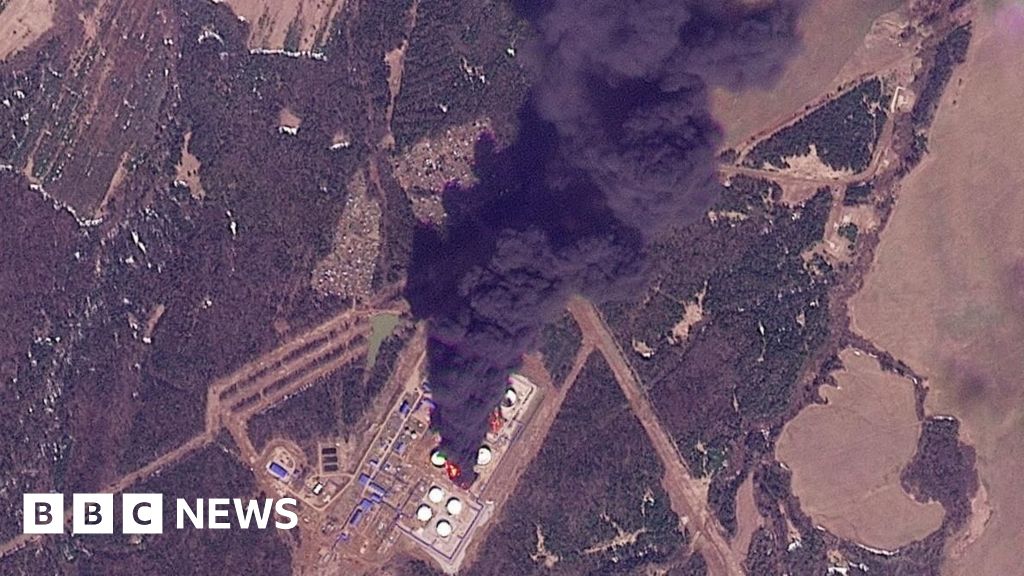
The sky over Tuapse, a port city on Russia’s Black Sea coast, turned black with smoke earlier this month as flames engulfed its oil infrastructure following a series of reported strikes. Beneath the chaos, another disaster unfolded: thick, viscous oil began seeping into the sea, creating ominous slicks that spread across the water’s surface. Locals took to Telegram, sharing haunting images of black puddles on roads, oil-coated seabirds, and stray animals struggling to shake off the sticky droplets clinging to their fur. The scenes were a grim testament to the collateral damage of conflict—a fragile ecosystem caught in the crossfire of war.
The Incident: A Blow to Black Sea Infrastructure
On the morning of the strikes, Tuapse, a hub for Russia’s oil exports, became the latest target in a string of attacks on energy facilities in the region. While no official claim of responsibility has been made, the incident aligns with a broader pattern of escalating hostilities targeting critical infrastructure. The strikes reportedly caused significant damage to oil storage tanks and pipelines, leading to large-scale spills that contaminated both land and sea.
Experts warn that the environmental impact could be long-lasting. Oil spills in marine ecosystems are notoriously difficult to clean up, with toxins persisting in the water and affecting marine life for years. For Tuapse, a city heavily reliant on its port and natural resources, the incident is not just an environmental disaster but also an economic blow, disrupting trade routes and adding to the mounting costs of war.
Global Context: Energy Infrastructure as a Strategic Target
The Tuapse strikes are part of a larger trend in modern warfare, where energy infrastructure has become a prime target. In conflicts ranging from Ukraine to the Middle East, attacks on oil refineries, pipelines, and storage facilities have been used to cripple economies, disrupt supply chains, and exert psychological pressure on adversaries.
Russia, one of the world’s largest oil exporters, has been particularly vulnerable to such assaults. Over the past year, its energy sector has faced multiple setbacks, from international sanctions to domestic sabotage. The Tuapse incident underscores the global implications of these disruptions. As oil prices fluctuate and energy markets remain volatile, the ripple effects are felt far beyond the region, impacting industries, economies, and households worldwide.
Environmental Fallout: A Growing Concern in Modern Warfare
The environmental consequences of the Tuapse oil spill highlight a broader issue: the increasing ecological toll of warfare. Modern conflicts are not just fought on battlefields but also in forests, rivers, and oceans. From chemical leaks to deforestation and marine pollution, the environmental damage caused by war can have dire consequences for biodiversity, public health, and climate change.
In this case, the Black Sea—already under pressure from pollution and overfishing—faces yet another challenge. The oil spill threatens marine species, disrupts fisheries, and risks contaminating coastal communities. Environmental organizations have called for urgent action to mitigate the damage, but in a war zone, such efforts are often hampered by ongoing violence and logistical challenges.
Why It Matters: The Broader Implications for Global Security
The Tuapse oil spill is not just a local tragedy but a global concern. It exemplifies how modern conflicts spill over into environmental disasters, creating new threats to global security. As climate change accelerates and natural resources become scarcer, the environmental impact of warfare could exacerbate existing tensions and trigger new conflicts.
Moreover, the incident raises questions about the vulnerability of global energy infrastructure. In an interconnected world, disruptions in one region can have far-reaching consequences, affecting everything from fuel prices to food supplies. Governments and international organizations must grapple with these challenges, balancing the need for energy security with the imperative to protect the environment.
A Call for Accountability and Action
As the smoke clears over Tuapse, the images of oil-covered wildlife and contaminated waters serve as a stark reminder of the human and ecological cost of war. The incident underscores the urgent need for greater accountability in conflict zones, as well as innovative solutions to mitigate the environmental impact of warfare.
In the meantime, the world watches and waits. Will this tragedy prompt a reevaluation of how wars are fought and their consequences managed? Or will it become just another chapter in the growing narrative of environmental devastation wrought by conflict?
The Black Sea oil spill is a wake-up call—a reminder that in an age of global interdependence, the fallout from war knows no borders. As policymakers and citizens alike grapple with these challenges, one thing is clear: the stakes have never been higher.
