



India Leads Global Adoption of OpenAI’s ChatGPT Images 2.0, While Emerging Markets Show Mixed Response
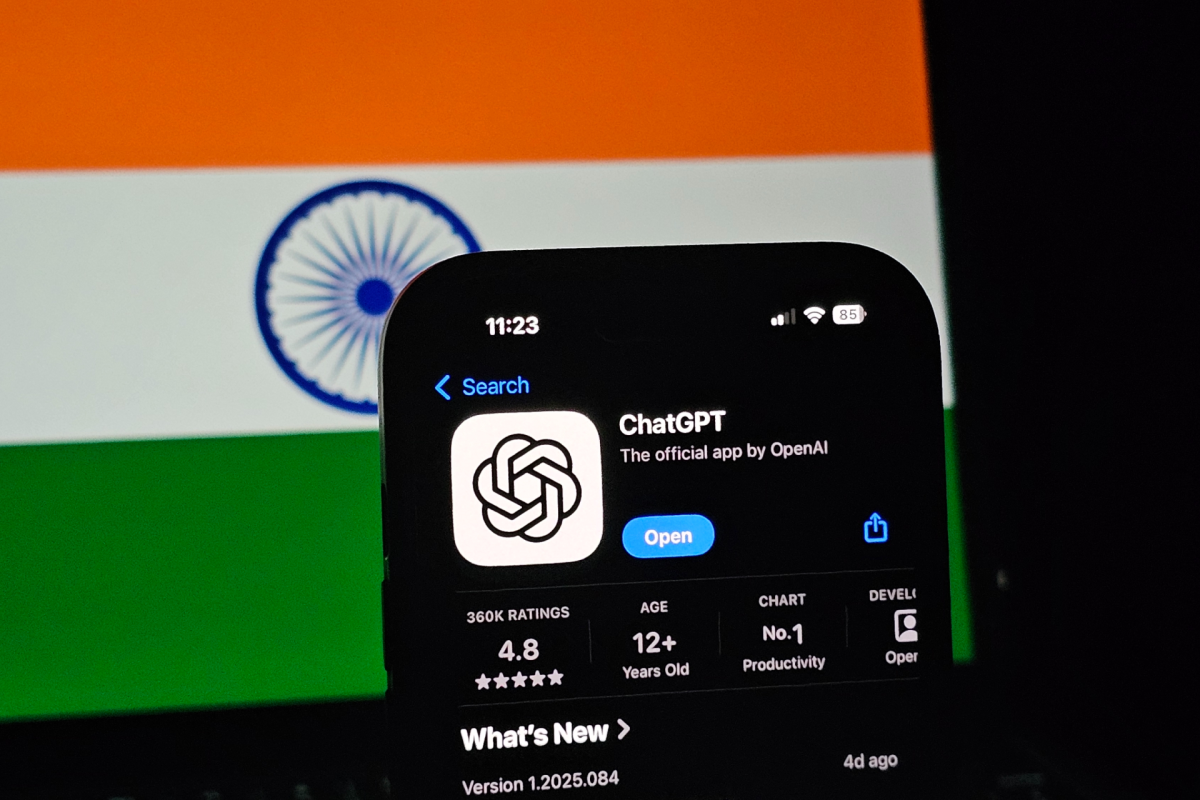
In a world increasingly captivated by artificial intelligence, OpenAI’s latest innovation, ChatGPT Images 2.0, has found its most enthusiastic audience in India. Since its launch last week, the image-generation tool has seen a surge in popularity across the South Asian nation, positioning it as the largest user base for the upgraded AI model. However, global adoption has been more nuanced, with modest overall engagement gains and sharper spikes in select emerging markets, according to data analyzed by TechCrunch.
The release of ChatGPT Images 2.0 marks a significant leap forward in AI-driven image generation. Built to handle more complex prompts and produce intricate visuals—including accurate text across multiple languages—the tool has quickly become a playground for creativity. Early usage patterns, as shared by OpenAI, reveal that Indian users are leveraging the technology primarily for personal expression, crafting stylized portraits, avatars, and fantasy-themed visuals that place themselves at the center of the narrative.
Global Adoption: A Mixed Picture
While India has emerged as the standout market for ChatGPT Images 2.0, third-party data from Sensor Tower and Similarweb paints a more measured global response. According to Sensor Tower, ChatGPT’s app downloads rose by 11% week-over-week following the launch. However, overall engagement gains were modest, with daily active users and sessions increasing by just 1%. Similarly, Similarweb data showed a slight 1.6% rise in ChatGPT’s global web traffic during the same period.
Despite these modest figures, certain emerging markets experienced sharper spikes in adoption. Countries like Pakistan, Vietnam, and Indonesia saw ChatGPT’s app downloads surge by up to 79% week-over-week during the rollout period. This disparity highlights how AI tools are being embraced differently across regions, with emerging economies showing particularly strong demand for new-user experiences.
India’s Dominance in AI Adoption
India, however, remains the focal point of OpenAI’s latest release. During the launch week, ChatGPT was downloaded approximately 5 million times in the country—more than double the 2 million downloads recorded in the United States. While week-over-week growth in India remained modest at around 3.4%, the sheer scale of its user base underscores its pivotal role in driving global AI adoption.
Early trends suggest that Indian users are using ChatGPT Images 2.0 for more than just functional outputs. OpenAI reports that individuals are transforming everyday photos into studio-style portraits, crafting social media-ready visuals, and experimenting with imaginative concepts that blend creativity with personal storytelling. From fantasy newspaper covers to tarot-style visuals and fashion moodboards, the tool is being embraced as a versatile platform for self-expression.
The Competitive Landscape
The launch of ChatGPT Images 2.0 comes amid intensifying competition in the AI image-generation space. Google’s earlier model, the original Nano Banana, also saw strong early traction in India, further cementing the nation’s reputation as a key market for AI-driven creativity. OpenAI’s latest release builds on this momentum with significant upgrades, including improved rendering of non-Latin scripts such as Hindi and Bengali, and new “thinking” capabilities that allow the tool to refine outputs and generate multiple variations from a single prompt.
These advancements have not only enhanced the tool’s technical prowess but also its appeal to diverse user bases. For Indian users, the ability to generate culturally relevant visuals with accurate text has been a game-changer, enabling them to create content that resonates with local aesthetics and narratives.
Emerging Markets: A Hotbed of Innovation
The varied adoption patterns across emerging markets highlight the unique ways in which AI tools are being integrated into different cultures and economies. While India’s massive user base drives scale, sharper spikes in countries like Pakistan, Vietnam, and Indonesia reflect a burgeoning appetite for AI innovation in regions that are increasingly carving out their own niches in the global tech landscape.
In India, the early focus on personal use cases—such as restoring older photos or creating cinematic portrait collages—underscores a broader trend toward AI tools that cater to individual creativity and storytelling. This contrasts with more utilitarian applications seen in other markets, where AI image generation is often leveraged for commercial or professional purposes.
The Road Ahead
As ChatGPT Images 2.0 continues to gain traction, OpenAI is poised to further refine and expand its capabilities. The company’s emphasis on multilingual support and cultural relevance has already struck a chord with users in India and other emerging markets, paving the way for deeper engagement and innovation.
However, the broader global response serves as a reminder that AI adoption is not a one-size-fits-all phenomenon. While some markets embrace AI tools as a means of personal expression, others are still exploring their potential in professional and industrial contexts.
For OpenAI, striking the right balance between technical advancements and user-centric features will be key to sustaining momentum in an increasingly competitive landscape. As the AI race heats up, India’s enthusiastic embrace of ChatGPT Images 2.0 offers a glimpse into the future of AI-driven creativity—one that is as diverse and dynamic as the users it seeks to empower.
In the end, the story of ChatGPT Images 2.0 is not just about technological innovation but also about how people across the world are harnessing its potential to tell their own stories. Whether through fantasy-themed visuals or restored family photos, the tool is proving that AI’s greatest impact lies in its ability to connect with individuals on a deeply personal level.
