



Former Pro Athletes Face Higher Heart Disease Risks, Study Finds
CINCINNATI — For many former professional athletes, the end of their playing careers doesn’t mean the end of health challenges. While they often push their bodies to peak performance during their time on the field, court, or ice, new research suggests that some of the most significant health risks emerge decades later.
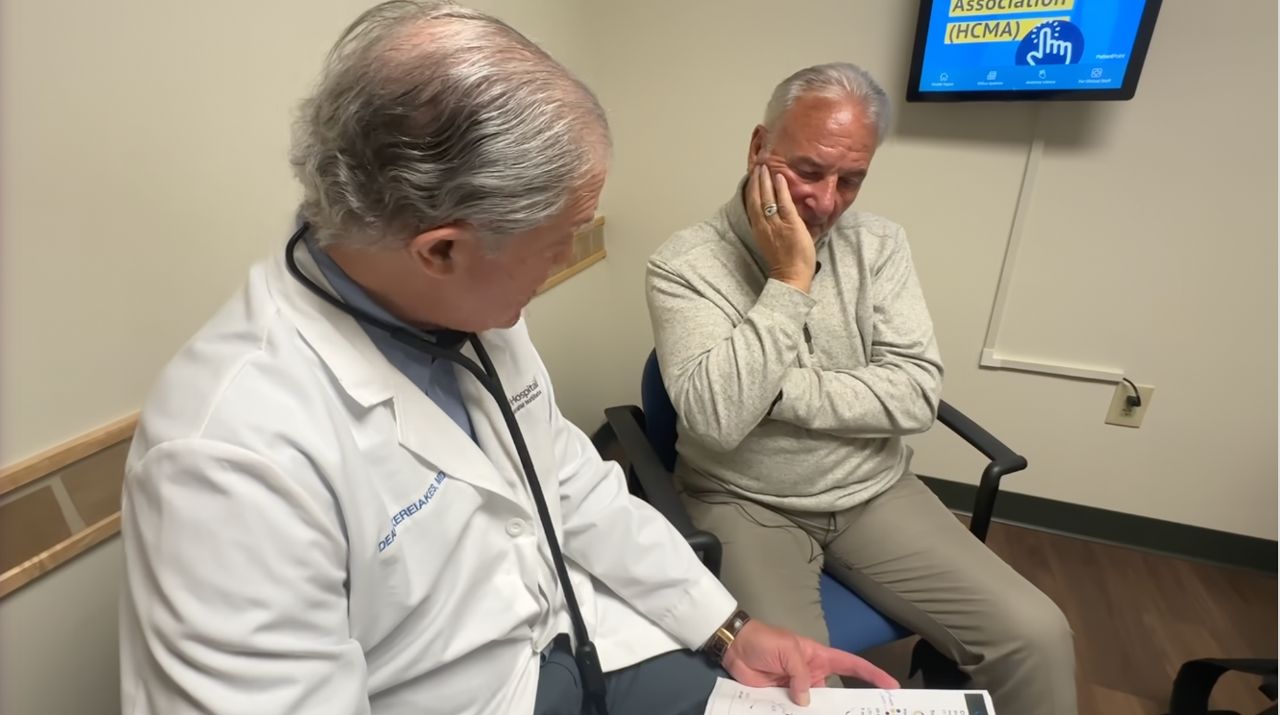
A groundbreaking nationwide study is now underway to explore why former professional athletes may be more vulnerable to heart disease after retirement. The Christ Hospital in Cincinnati is one of 17 sites participating in this research, and it’s the only study location in Ohio.
Brad Cousino, a former professional football player who played for the Cincinnati Bengals, New York Giants, and Pittsburgh Steelers, is among the approximately 300 former athletes taking part in the study. For Cousino, his identity was deeply tied to his athletic career.
“My self-esteem was all based on who I was as an athlete,” Cousino said. “Coach after coach would tell me, ‘You could be a great one, Brad.’ Soon, I started believing it.”
While professional athletes are often seen as the pinnacle of physical fitness, research indicates that the health risks they face can intensify after they stop competing. According to the American Heart Association, cardiovascular disease claims the lives of one in five Americans. However, a study published in the Journal of the American Medical Association found that former NFL players face an even greater risk, with more than 34% dying from heart-related conditions.
“Most of the time, they don’t change their eating habits, they’re not working out anymore, and they’re not doing the things they need to do to stay healthy,” Cousino explained.
Now 73, Cousino is determined to understand his own heart health and contribute to the study’s findings. The initiative, known as the GAMEFILM Registry, focuses on former NFL, NHL, and NBA players. It uses advanced imaging technologies to detect potential heart issues before they become life-threatening.
Physicians conducting the study rely on coronary computed tomography angiography (CCTA) and plaque analysis to identify artery buildup and assess risk levels. These techniques allow doctors to determine not only the amount of plaque present but also its type and likelihood of causing serious complications like heart attacks or strokes.
“If the functional significance of the plaque isn’t severe, we know based on the CCTA that you shouldn’t put a stent there or perform bypass surgery,” said Dr. Dean Kereiakes, an interventional cardiologist at The Christ Hospital.
Dr. Kereiakes emphasized that the study’s findings could have far-reaching implications beyond former athletes. “It’s not inevitable that they will have a heart attack, stroke, or need bypass surgery. These outcomes can be prevented proactively, and that’s the great news,” he said.
For Cousino, participating in the study has been an eye-opening experience. “It’s not just about taking medication. Now we understand what’s going on in your body, and you can see it,” he said. “That, for me, was a game-changer.”
The Christ Hospital is actively recruiting former professional football, basketball, and hockey players to join the study. Those interested in participating can call (513) 585-1184 or email mark.fogel@thechristhospital.com for more information.
This research not only highlights the long-term health risks faced by former athletes but also underscores the importance of proactive heart health monitoring for everyone.
— Reported by Nexio News
