


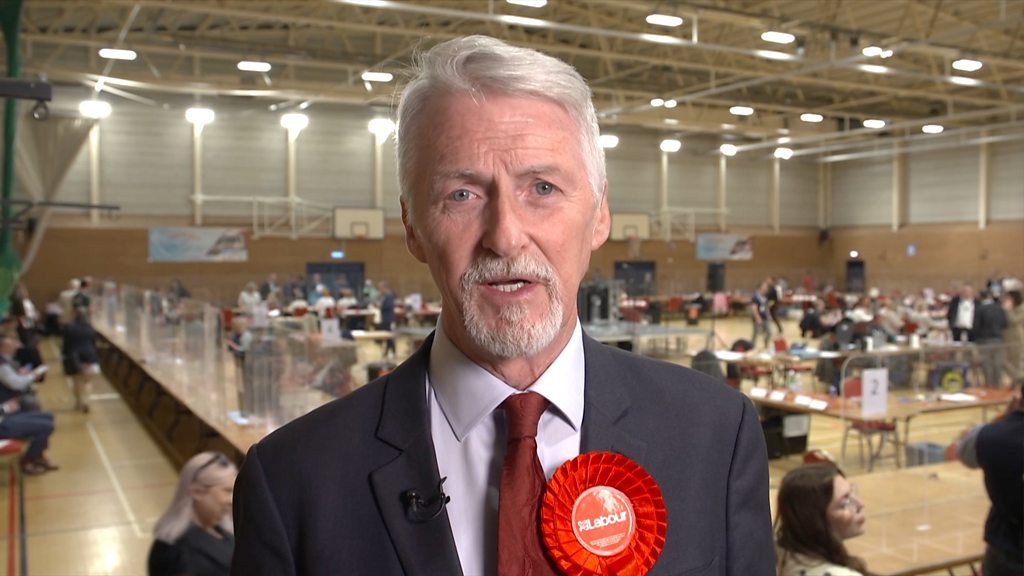

Labour Loses Grip on Wales as Deputy First Minister Admits Defeat
The Welsh Labour Party will not form the next government, its deputy first minister has conceded, marking a seismic shift in Welsh politics after decades of dominance. The admission signals an end to Labour’s uninterrupted control of the Senedd since devolution in 1999 and raises urgent questions about the future of Welsh governance.
A Historic Shift
Labour’s deputy first minister, currently serving in the outgoing government, confirmed the party’s failure to secure enough seats to govern alone. While official results are still being tallied, early indications suggest significant losses to rivals, including Plaid Cymru and the Welsh Conservatives. The development comes amid growing voter dissatisfaction over healthcare, economic stagnation, and calls for greater regional autonomy.
Wales has long been a Labour stronghold, with the party winning every election since the Senedd’s inception. But declining support in traditional heartlands and a fragmented political landscape have eroded its majority. Analysts attribute the shift to a combination of local grievances and broader UK political trends, including frustration with Westminster’s handling of devolved powers.
Key Players React
Plaid Cymru leader Rhun ap Iorwerth hailed the result as a “new chapter for Wales,” emphasizing his party’s push for expanded self-governance. Meanwhile, Welsh Conservative leader Andrew RT Davies framed the outcome as a rejection of Labour’s “failed policies,” particularly on NHS waiting times and infrastructure.
Labour’s leadership has yet to outline its next steps, but insiders suggest the party may explore coalition talks—a rarity in Welsh politics. However, with no clear path to a majority, the prospect of a minority government or an unprecedented cross-party agreement looms.
Why This Matters
The fallout extends beyond Wales, potentially weakening Labour’s influence in UK-wide politics ahead of the next general election. A loss in Wales deprives the party of a key platform to showcase its policies, just as it seeks to challenge the Conservative-led Westminster government.
For Wales, the political upheaval could reshape long-standing debates over funding, healthcare, and independence. With Plaid Cymru gaining ground, calls for a Scottish-style referendum may grow louder, while Conservatives could push for tighter alignment with Westminster.
What Comes Next?
Negotiations over government formation are expected to intensify in the coming days. If no party secures a working majority, Wales may face prolonged uncertainty—or even a snap election.
For now, the message is clear: Welsh politics is entering uncharted territory, and Labour’s era of dominance is over. The question is who will fill the vacuum—and how radically the nation’s direction will change.
