



Global Oil Trade Disrupted as Strait of Hormuz Traffic Drops Sharply, Triggering Price Surges
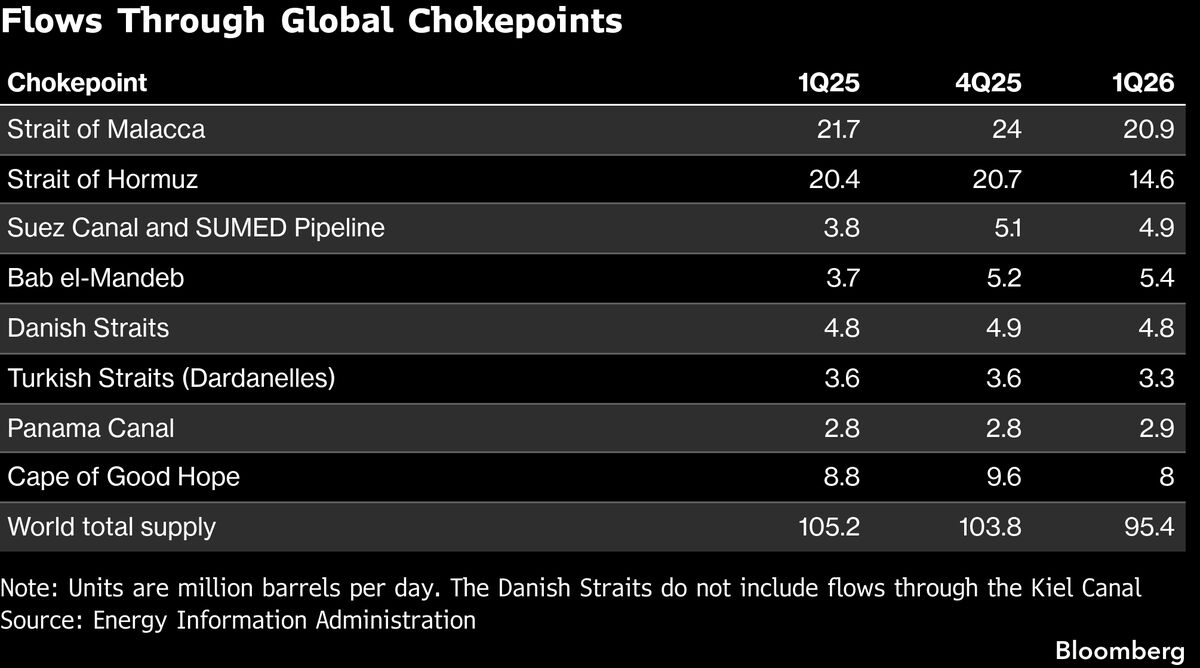
The Strait of Hormuz, often described as the world’s most critical oil chokepoint, has witnessed a dramatic decline in crude oil and fuel shipments, marking the beginning of a seismic shift in global energy markets. According to recent data, flows through the strait plummeted by nearly 6 million barrels per day (bpd) during the first quarter of 2026—a staggering reduction that has sent shockwaves through the global economy. This unprecedented drop has disrupted supply chains, driven energy prices to multi-year highs, and reignited concerns about geopolitical instability in one of the world’s most volatile regions.
The Strait of Hormuz, a narrow waterway sandwiched between Iran and Oman, is a linchpin of global energy trade. Nearly one-fifth of the world’s oil supply passes through this 21-mile-wide channel daily, making it essential for fueling industries, transportation, and households across the globe. The recent steep decline in traffic has not only exposed the fragility of this critical maritime route but also underscored the interconnectedness of global energy markets. Analysts are now warning that this disruption could have far-reaching consequences, from inflationary pressures to geopolitical tensions and a potential reshaping of global energy strategies.
The Catalysts Behind the Decline
The sharp reduction in oil flows through the Strait of Hormuz is attributed to a confluence of factors, both geopolitical and economic. At the forefront is escalating tension in the Middle East, particularly involving Iran and its neighbors. Over the past year, a series of incidents, including drone attacks on oil tankers, sabotage of key infrastructure, and heightened naval posturing, have raised fears of a full-blown conflict. These events have deterred shippers from risking transit through the strait, opting instead for costlier, longer alternative routes.
Additionally, regional political instability has been compounded by broader global trends. The ongoing transition to renewable energy, coupled with aggressive decarbonization policies in major economies, has reduced demand for fossil fuels in some regions. However, this shift has been uneven, with developing economies still heavily reliant on affordable oil imports. The mismatch between supply and demand has exacerbated the impact of the Strait of Hormuz’s disruption, sending prices soaring.
Impact on Global Energy Markets
The repercussions of the Strait of Hormuz’s reduced traffic have been immediate and severe. Global oil prices have surged, with Brent crude climbing above $120 per barrel—a level not seen since the peak of the 2022 energy crisis. This spike has cascaded into higher costs for gasoline, diesel, and other petroleum products, straining consumers and businesses alike. In Europe and North America, where energy prices were already elevated due to previous supply constraints, the added pressure has stoked fears of stagflation—a dangerous mix of stagnant economic growth and rising inflation.
Emerging economies, particularly in Asia and Africa, are facing even greater challenges. Many of these nations depend heavily on affordable oil imports to sustain their growth, and the sudden price hike threatens to derail their economic progress. Countries like India, Pakistan, and Kenya have already reported significant increases in fuel subsidies and inflationary pressures, raising concerns about social unrest and political instability.
The disruption has also prompted a scramble for alternative energy sources and supply routes. Countries are increasingly turning to liquefied natural gas (LNG) and coal to fill the gap, though this shift risks undermining global climate goals. Meanwhile, shippers are exploring longer maritime routes around the Cape of Good Hope or utilizing pipelines such as the East-West Crude Oil Pipeline in Saudi Arabia. While these alternatives provide temporary relief, they come at a higher cost and logistical complexity, further straining global trade networks.
Geopolitical Ramifications
The Strait of Hormuz’s decline in traffic has broader geopolitical implications, particularly for the Middle East. Iran, which controls a significant portion of the strait’s coastline, has sought to leverage its strategic position to extract concessions from global powers. Recent negotiations between Tehran and Western nations over Iran’s nuclear program have stalled, with each side accusing the other of bad faith. The disruption in oil flows has only heightened the stakes, with Iran’s adversaries warning of potential military action to secure the strait.
At the same time, regional powers like Saudi Arabia and the United Arab Emirates are intensifying efforts to diversify their export routes and reduce dependence on the Strait of Hormuz. Both nations have invested heavily in pipelines and alternative ports, aiming to mitigate the risks posed by potential closures or disruptions. However, these measures are not foolproof, and analysts warn that sustained instability in the region could have cascading effects on global security.
The Broader Context
The current crisis in the Strait of Hormuz is part of a broader narrative of transformation in global energy markets. The world is grappling with the dual challenges of ensuring energy security while transitioning to a low-carbon future. The sharp decline in oil shipments through the strait highlights the vulnerabilities of an energy system still heavily reliant on fossil fuels, even as renewables gain momentum.
For decades, the Strait of Hormuz has served as a symbol of global interdependence, its waters carrying the lifeblood of the global economy. Yet, its recent troubles underscore the urgent need for adaptation. Governments, corporations, and international organizations must work together to develop more resilient energy systems, diversify supply chains, and address the root causes of geopolitical instability.
A Path Forward
As the world navigates this latest energy shock, the path forward remains uncertain. While immediate actions, such as releasing strategic oil reserves and boosting domestic production, can provide temporary relief, long-term solutions will require bold leadership and international cooperation. Policymakers must balance the need for energy security with the imperative of combating climate change, ensuring that the transition to a sustainable future is both equitable and resilient.
The Strait of Hormuz crisis serves as a stark reminder of the fragility of global energy markets and the interconnectedness of our modern world. While the road ahead is fraught with challenges, it also presents an opportunity to rethink and rebuild a more robust energy system—one that can withstand the shocks of tomorrow. For now, the world watches anxiously as the strait’s waters, once bustling with tankers, grow quieter, leaving behind a wake of uncertainty and opportunity.
