



Metal Sector Surpasses FMCG in Market Value: A Historic Shift in India’s Stock Market
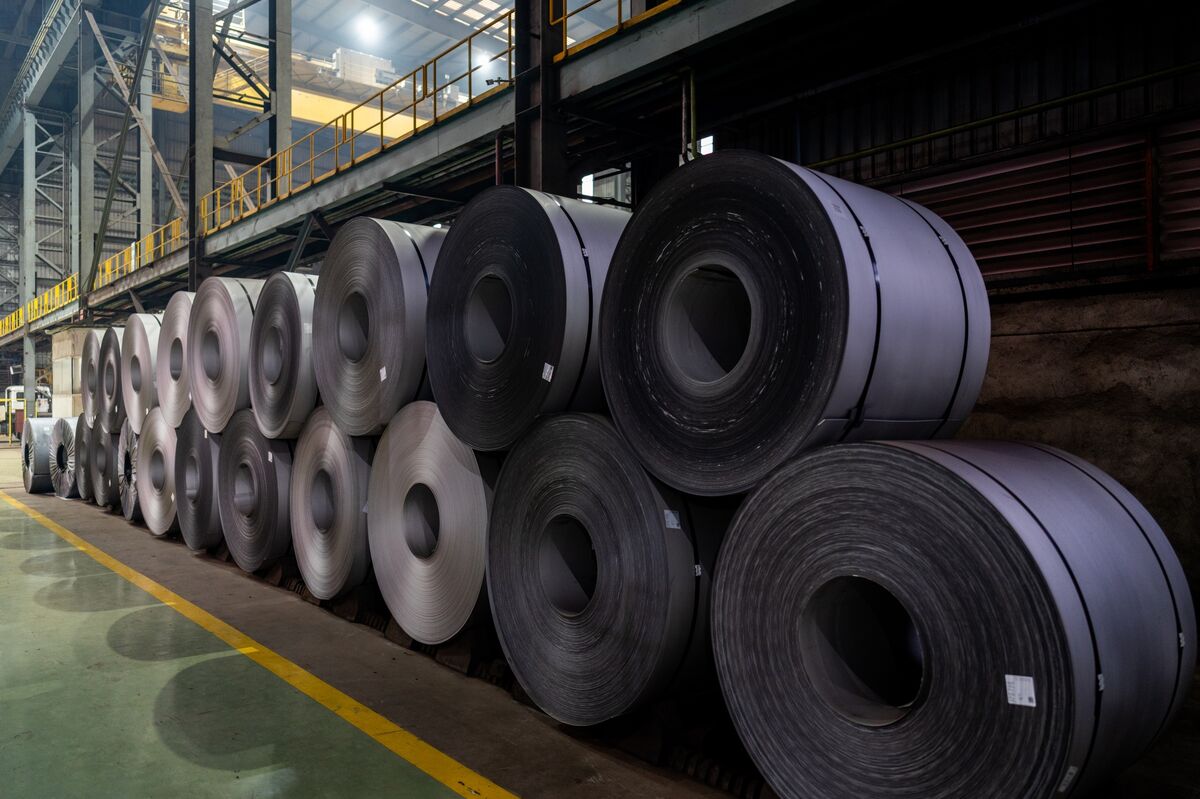
In a striking development that underscores the evolving dynamics of India’s equity markets, the Nifty Metal Index has officially overtaken the FMCG (Fast-Moving Consumer Goods) gauge in terms of market value. This unprecedented shift marks a significant moment in India’s economic narrative, as the metals sector, traditionally considered cyclical and volatile, now commands greater investor confidence than the historically stable and defensive FMCG sector. The transition reflects broader global trends, including rising commodity prices, shifting consumer behavior, and the impact of macroeconomic policies on market performance.
The Nifty Metal Index, which tracks the performance of leading metal companies in India, has surged in recent months, driven by robust demand for industrial metals, infrastructure development, and a global supply crunch. Meanwhile, the FMCG sector, long regarded as a safe haven for investors during economic uncertainty, has faced headwinds from inflationary pressures, subdued rural demand, and changing consumption patterns. This reversal of fortunes highlights the interconnectedness of global markets and India’s growing role in the international commodities trade.
The Catalysts Behind the Metals Sector’s Rise
The metals sector’s ascent can be attributed to a confluence of domestic and international factors. On the global stage, the ongoing recovery from the COVID-19 pandemic has fueled demand for industrial metals such as steel, aluminum, and copper. Infrastructure projects worldwide, particularly in China and the United States, have driven prices higher, benefiting Indian metal exporters. Additionally, supply chain disruptions caused by geopolitical tensions, including the Russia-Ukraine conflict, have constrained global metal supplies, further boosting prices.
Domestically, the Indian government’s push for infrastructure development has created a surge in demand for metals. Initiatives such as the National Infrastructure Pipeline (NIP) and the production-linked incentive (PLI) scheme for the steel industry have provided a significant tailwind for metal producers. Companies like Tata Steel, JSW Steel, and Hindalco have reported strong earnings, buoyed by higher volumes and favorable pricing environments.
Another critical factor is the shift towards green energy and electric vehicles (EVs), which require substantial amounts of metals like copper, nickel, and aluminum. As India ramps up its renewable energy capacity and EV adoption, metal producers are poised to benefit from this structural change in the economy.
The FMCG Sector’s Struggles
In contrast, the FMCG sector has faced a challenging environment. Historically, FMCG companies have been seen as resilient performers, capable of weathering economic downturns due to the essential nature of their products. However, recent inflationary pressures have eroded consumer purchasing power, particularly in rural areas, which account for a significant portion of FMCG sales. Rising input costs, driven by higher prices for raw materials such as palm oil and packaging, have also squeezed profit margins for companies like Hindustan Unilever, ITC, and Nestlé India.
Moreover, changing consumer preferences have impacted the sector. The pandemic accelerated the shift towards e-commerce and digital-first brands, challenging traditional FMCG giants to adapt swiftly. Urban consumers are increasingly prioritizing premium and health-focused products, while rural demand remains sluggish due to uneven economic recovery. These factors have collectively weighed on the FMCG sector’s performance, leading to its underperformance relative to metals.
Market Implications and Investor Sentiment
The overtaking of the FMCG gauge by the Nifty Metal Index is more than just a statistical milestone; it reflects a broader shift in investor sentiment. The metals sector, once viewed as a high-risk, cyclical play, is now perceived as a beneficiary of structural trends such as infrastructure development and the global energy transition. Investors are increasingly allocating capital to metal stocks, driven by expectations of sustained earnings growth and favorable market conditions.
Conversely, the FMCG sector’s defensive appeal has diminished in the current environment. While the sector remains a cornerstone of the Indian economy, its slower growth trajectory has prompted investors to seek higher returns in other segments. This recalibration of portfolios underscores the dynamic nature of equity markets and the importance of staying attuned to macroeconomic trends.
Broader Economic Context
This market shift also highlights the interplay between India’s economic policies and global trends. The government’s emphasis on infrastructure and manufacturing aligns with the metals sector’s growth trajectory, while the FMCG sector’s challenges underscore the need for policies that address rural distress and inflation. Additionally, the rising prominence of metals reflects India’s increasing integration into global supply chains, particularly in industries like steel and aluminum, where the country is emerging as a key player.
However, the metals sector’s rise is not without risks. Commodity prices are inherently volatile, and any slowdown in global demand could weigh on the sector’s performance. Moreover, the environmental concerns associated with metal production, particularly in the steel and aluminum industries, pose reputational and regulatory risks for companies.
A Balanced Perspective
While the Nifty Metal Index’s surge is a testament to the sector’s current strength, it is essential to view this development in a broader context. The metals sector’s cyclical nature means its fortunes can shift rapidly, and investors must remain vigilant about potential downside risks. On the other hand, the FMCG sector’s challenges may present opportunities for long-term investors, particularly if inflationary pressures ease and rural demand rebounds.
As India’s equity markets continue to evolve, this historic shift underscores the importance of diversification and adaptability. Both the metals and FMCG sectors play vital roles in the economy, and their relative performance will likely fluctuate in response to changing market conditions. For now, the metals sector’s ascendancy reflects the confluence of global trends and domestic policies that have reshaped investor priorities.
In conclusion, the surpassing of the FMCG gauge by the Nifty Metal Index is a landmark moment in India’s financial markets, signaling both the opportunities and challenges inherent in a rapidly changing economic landscape. As investors navigate this new terrain, they must balance optimism with caution, recognizing that market dynamics are shaped by a complex interplay of domestic and global forces.
