


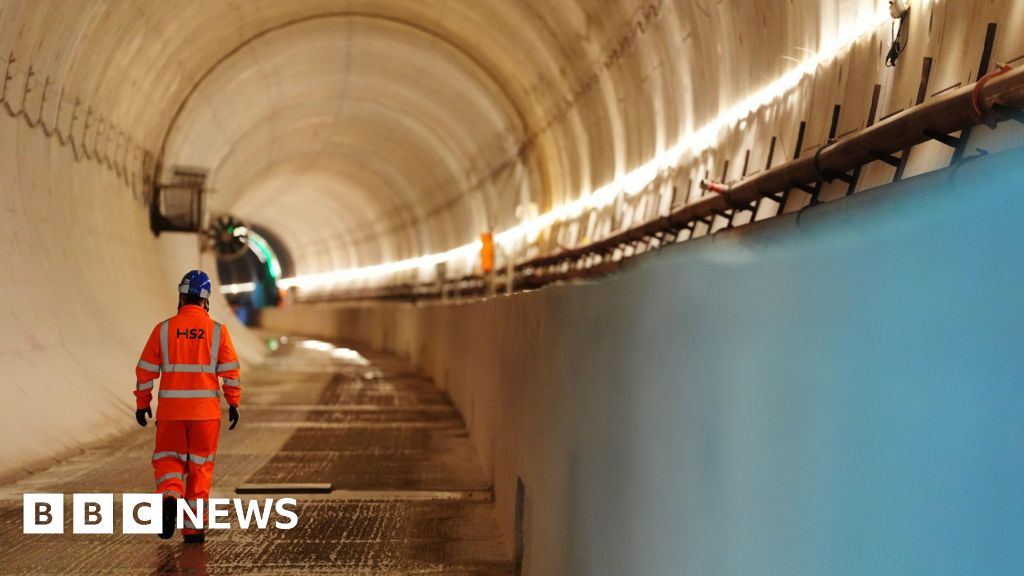

HS2 Ltd Shifts Focus to Central Section Amid Project Delays
In a strategic move to realign its priorities, HS2 Ltd, the company overseeing the UK’s high-speed rail project, has announced plans to slow or pause work on certain sections, including the line leading to Handsacre. The decision aims to refocus resources on the central section of the route, which spans Buckinghamshire, Oxfordshire, and Northamptonshire, where progress has reportedly fallen behind schedule.
The HS2 project, billed as one of the most ambitious infrastructure initiatives in Europe, aims to connect London to Birmingham and eventually to Manchester and Leeds via a high-speed rail network. However, the project has faced mounting challenges, including delays, budget overruns, and public opposition. The latest shift in focus underscores the company’s efforts to address bottlenecks and ensure the project’s long-term viability.
Reallocating Resources
The decision to slow work on the Handsacre line reflects a broader strategy to optimize spending and prioritize areas where delays are most critical. The central section, which cuts through three counties in the heart of England, has been identified as a key area requiring immediate attention. By concentrating resources here, HS2 Ltd hopes to regain momentum and prevent further setbacks.
The central section has faced significant hurdles, including complex engineering challenges and environmental concerns. Local communities have also voiced opposition, citing disruptions to rural landscapes and historic sites. Despite these challenges, HS2 Ltd remains committed to delivering the project, emphasizing its potential to boost regional connectivity, economic growth, and job creation.
Growing Pressure and Criticism
The HS2 project has been under intense scrutiny since its inception. Critics argue that the escalating costs—estimated to exceed £100 billion—are unsustainable, especially amid broader fiscal constraints. Environmentalists have also raised concerns about the project’s impact on wildlife habitats and carbon emissions. Meanwhile, some lawmakers and advocacy groups question whether the economic benefits justify the investment.
In response, HS2 Ltd has defended the project as a critical component of the UK’s transport infrastructure, capable of reducing congestion, improving travel times, and supporting the transition to a greener economy. The company has also pledged to minimize environmental damage and engage more closely with affected communities.
Political and Economic Implications
The HS2 project has been a flagship initiative for successive UK governments, symbolizing a commitment to modernizing the country’s infrastructure. However, its future remains uncertain, with debates raging over its cost-effectiveness and alignment with national priorities.
The decision to reallocate resources to the central section highlights the delicate balance HS2 Ltd must strike between delivering on its promises and managing financial constraints. As the project progresses, its outcomes will likely shape public perceptions of the government’s ability to execute large-scale infrastructure projects.
Looking Ahead
The coming months will be crucial for HS2 Ltd as it works to address delays and demonstrate progress on the central section. The company has emphasized its commitment to transparency and efficiency, but stakeholders will be closely monitoring whether these efforts translate into tangible results.
If successful, the HS2 project could transform the UK’s transport landscape, fostering greater connectivity between major cities and regions. However, failure to meet deadlines or control costs could further erode public confidence and spark calls for reassessing the project’s scope or viability.
As HS2 Ltd navigates these challenges, its ability to adapt and deliver will not only impact the project’s future but also set a precedent for how the UK approaches infrastructure development in the years to come.
