


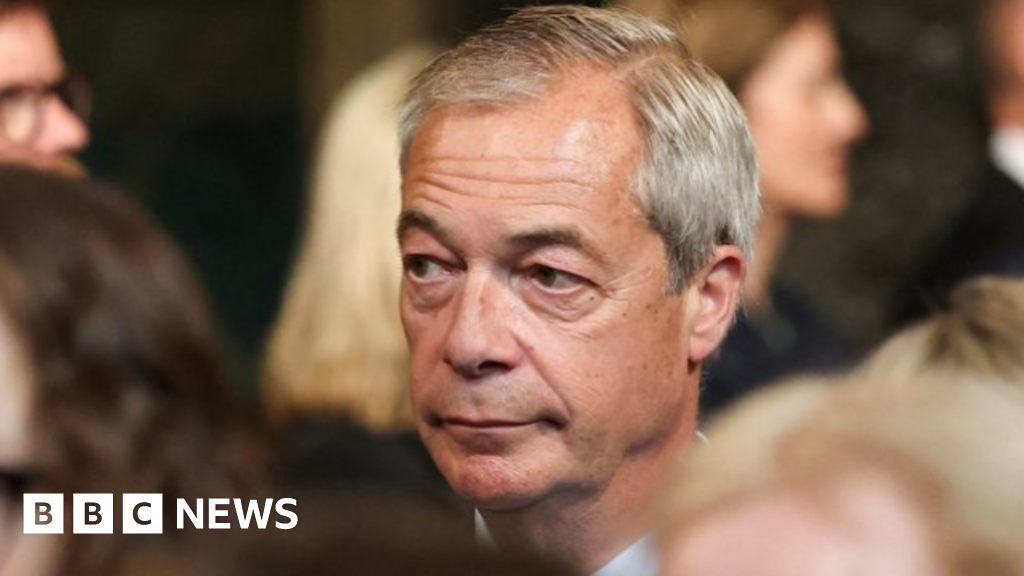

Nigel Farage Receives £5 Million Gift from Crypto Billionaire, Reform UK Defends Payment
London, UK — Reform UK leader Nigel Farage received a £5 million payment from crypto billionaire Christopher Harborne in April 2024, a transaction the party has insisted was a personal gift. The revelation has sparked scrutiny over the nature of the payment and its potential implications for political transparency and campaign finance laws in the United Kingdom.
Harborne, a prominent figure in the cryptocurrency sector and a longtime donor to UK political causes, transferred the funds to Farage last month. Reform UK, the right-wing political party led by Farage, has categorically denied that the money was a political donation, instead framing it as a private gift between two individuals. However, the timing and size of the payment have raised questions about its intended purpose and whether it could influence political decisions or party policy.
Farage, a polarizing figure in British politics, has been a vocal advocate for Brexit and the UK’s departure from the European Union. His leadership of Reform UK, which has positioned itself as a challenger to the Conservative Party, has kept him in the political spotlight. The £5 million payment from Harborne, whose wealth stems from cryptocurrency ventures, has now thrust Farage and his party into a new controversy.
Harborne, a British-Thai businessman, has been a significant financial backer of political causes in the UK, including contributions to pro-Brexit campaigns such as Leave.EU. His involvement in the cryptocurrency industry has also made him a notable figure in discussions about financial regulation and innovation. The gift to Farage underscores his continued interest in influencing UK politics, even as his business ventures remain under close watch by financial regulators.
Reform UK has emphasized that the payment was not linked to the party’s operations or funding. A spokesperson stated, “This was a private gift between two individuals and has no connection to Reform UK’s finances or political activities. Any suggestion otherwise is misleading and unfounded.” Despite this assertion, critics argue that such large financial transactions involving political leaders warrant closer examination, particularly given the potential for undisclosed influence.
The controversy comes at a time of heightened sensitivity around political donations and transparency in the UK. Recent years have seen growing calls for stricter regulations on campaign financing, with concerns about the role of wealthy donors in shaping policy and political agendas. The Electoral Commission, which oversees political finance in the UK, has not yet commented on whether it will investigate the payment.
Political analysts have noted that the timing of the gift could be significant, as Reform UK seeks to position itself as a credible alternative to the Conservatives. The party has been gaining traction in some polls, particularly among disillusioned Conservative voters, and Farage has been ramping up his public appearances and media engagements. Critics argue that large financial gifts to party leaders, even if classified as personal, risk undermining public trust in the political process.
The cryptocurrency sector, from which Harborne derives much of his wealth, has also faced increasing scrutiny in the UK and globally. Governments and regulators are grappling with how to oversee a rapidly evolving industry that has been associated with both innovation and controversy, including concerns about financial crime and environmental impact. Harborne’s involvement in the sector adds another layer of complexity to the ongoing debate about the intersection of politics, finance, and technology.
As the story unfolds, attention is likely to focus on the broader implications for political financing in the UK. Questions about the transparency of such payments and their potential to sway political decisions are expected to fuel debates in Parliament and beyond. Reform UK’s handling of the situation could also influence public perception of the party as it seeks to expand its influence ahead of future elections.
Looking ahead, the controversy surrounding Farage’s £5 million gift may prompt renewed calls for reform of the UK’s campaign finance laws. With political leaders increasingly reliant on private donations and gifts, the need for clear guidelines and robust oversight has never been more apparent. How this case is resolved could set a precedent for future transactions involving political figures and their financial backers.
For now, Farage and Reform UK remain defiant, insisting that the payment was nothing more than a personal gift. Yet, as scrutiny intensifies, the story serves as a reminder of the delicate balance between personal relationships and public accountability in the world of politics.
