



Fuel Supply Concerns Prompt Waivers Amid Strait of Hormuz Blockade
Global fuel markets are on edge as mounting fears over supply disruptions have prompted governments to issue emergency waivers for certain fuel types. The escalating tension stems from the effective blockade of the Strait of Hormuz, a critical maritime chokepoint through which nearly a fifth of the world’s oil supply passes. The move underscores deepening concerns about potential shortages and the broader economic impact of restricted access to key energy resources.
The Strait of Hormuz, situated between Iran and Oman, serves as a vital artery for global oil and gas shipments. Its closure or disruption would have profound consequences for energy markets worldwide, particularly for countries heavily reliant on imports from the Middle East. Recent geopolitical maneuvers and heightened military presence in the region have raised alarms among industry experts and policymakers.
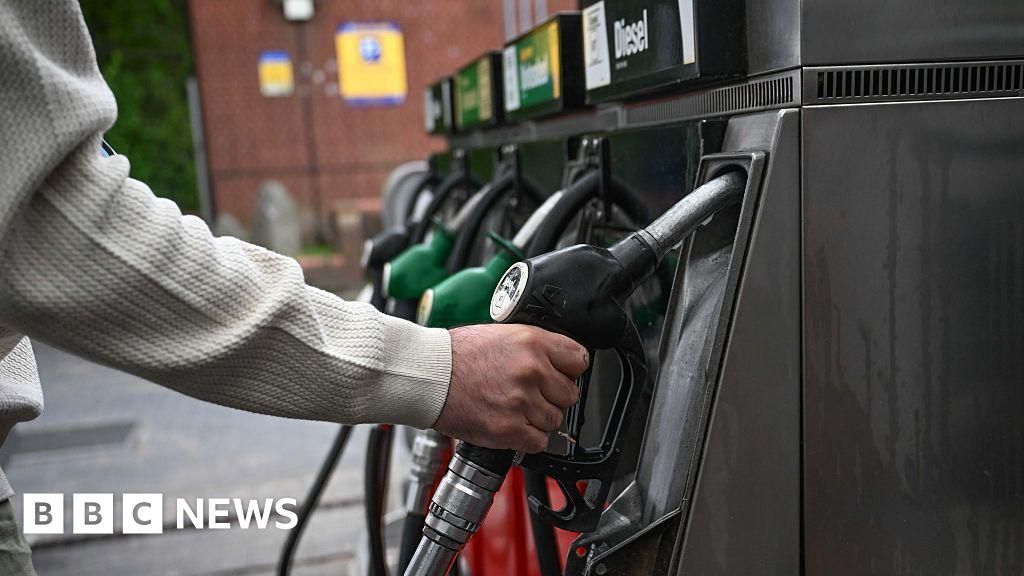
The issuance of waivers reflects attempts by governments and international agencies to mitigate the immediate fallout from supply chain disruptions. These waivers temporarily ease restrictions on fuel specifications, allowing refineries and distributors to tap alternative sources or adjust production methods to meet demand. While the exact details of the waivers remain under wraps, sources indicate they primarily target diesel and jet fuel, two critical components of global transportation networks.
The blockade’s impact is already being felt across several sectors. Shipping companies report delays and rerouted vessels, while airlines brace for potential fuel shortages that could disrupt flight schedules. Industrial operations dependent on diesel are also sounding the alarm, warning of cascading effects on manufacturing and supply chains.
The geopolitical backdrop adds a layer of complexity to the crisis. Tensions between Iran and Western nations have simmered for years, often threatening the delicate balance of trade through the Strait of Hormuz. Recent escalations, including a series of naval confrontations and Iran’s threats to restrict access, have heightened fears of a protracted standoff. Analysts warn that any prolonged blockade could trigger a spike in global oil prices, further straining economies already grappling with inflation and energy insecurity.
The European Union and the United States have been closely monitoring the situation, coordinating with Middle Eastern allies to ensure the free flow of goods through the region. However, diplomatic efforts have so far yielded limited progress, leaving markets jittery and governments scrambling for contingency plans.
Environmental concerns are also coming to the forefront. The waivers, which allow for the use of alternative fuels, could lead to increased emissions in the short term. Environmental groups caution that such measures, while necessary to address immediate shortages, must not undermine long-term climate goals.
The crisis has reignited debates about global energy resilience and the need to diversify supply chains. Countries heavily reliant on Middle Eastern oil are now reevaluating their strategies, with some accelerating investments in renewable energy and others seeking to expand oil and gas production domestically.
For consumers, the immediate concern is the potential for higher fuel prices at the pump. Economists predict that a prolonged blockade could lead to inflationary pressures, impacting everything from transportation costs to the price of consumer goods.
The situation also highlights the interconnectedness of global energy markets. Even countries with limited direct reliance on the Strait of Hormuz could feel the ripple effects of supply disruptions, as regional shortages drive up prices and strain resources elsewhere.
As the crisis unfolds, attention turns to the diplomatic and military efforts to reopen the Strait of Hormuz. While some analysts remain hopeful for a swift resolution, others warn of a prolonged standoff that could reshape global energy dynamics.
Looking ahead, the blockade serves as a stark reminder of the vulnerabilities inherent in relying on critical maritime chokepoints. Policymakers are likely to face increased pressure to develop robust energy strategies that balance immediate needs with long-term sustainability.
For now, the world watches nervously as governments and industry leaders navigate the precarious balance between supply, demand, and geopolitical stability. The outcome of this crisis could have lasting implications for global energy markets, economic stability, and international relations.
The Strait of Hormuz remains a linchpin of global trade, and its fate will undoubtedly shape the trajectory of the global economy in the months and years to come.
