


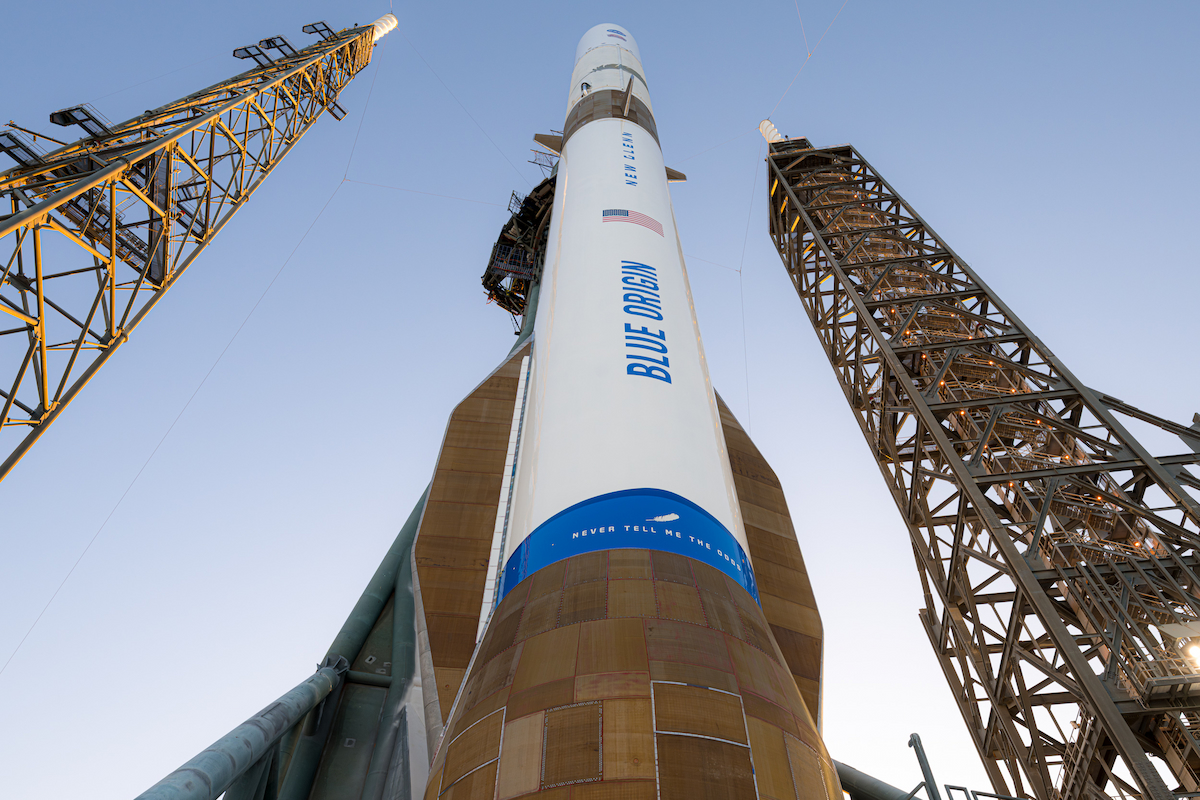

Blue Origin’s New Glenn Rocket Cleared to Fly Again After FAA Investigation
Blue Origin’s ambitious New Glenn mega-rocket, designed to redefine the future of space exploration, has been cleared for flight following a month-long grounding imposed by the Federal Aviation Administration (FAA). The regulatory green light comes after an investigation into the rocket’s failed April mission, during which an upper-stage engine malfunction caused a commercial satellite to burn up in Earth’s atmosphere. This setback, though significant, marks a pivotal moment for Jeff Bezos’ spaceflight company as it strives to carve out its place in the increasingly competitive commercial space industry.
The Incident That Grounded New Glenn
The April launch marked the third flight of New Glenn, a highly anticipated rocket that stands at over 320 feet tall and is designed to carry heavy payloads into orbit. While the mission initially appeared successful—thanks to the first-ever reuse of the rocket’s booster stage, which landed smoothly on an ocean-based drone ship—it ended in disappointment. During the ascent, the rocket’s upper stage encountered an “off-nominal thermal condition,” a technical term for overheating, which led to one of its three engines producing less thrust than expected.
The reduced thrust proved catastrophic for the payload: an AST SpaceMobile satellite intended to enhance global satellite-based communication networks. Instead of reaching its intended orbit, the satellite re-entered Earth’s atmosphere and disintegrated. AST SpaceMobile quickly assured stakeholders that its operations were insured, mitigating the financial impact of the loss. However, the incident raised questions about Blue Origin’s technical readiness and its ability to compete with rivals like SpaceX and United Launch Alliance (ULA).
The FAA launched an immediate investigation, requiring Blue Origin to submit a detailed report outlining the cause of the failure and the corrective measures implemented to prevent a recurrence. The company complied but offered few specifics, stating only that it had addressed the issue and was ready to resume launches.
A Rocky Road to Success
New Glenn’s journey has been anything but smooth. Unveiled in 2016, the rocket was initially slated for its maiden launch in 2020. However, technical challenges, supply chain issues, and the complexities of developing a reusable heavy-lift vehicle delayed its debut by several years. The first two flights in early 2024 were largely successful, showcasing Blue Origin’s ability to recover and reuse the booster stage—a critical cost-saving measure in modern rocketry.
The April mishap, however, underscored the challenges of mastering upper-stage performance, which is essential for delivering payloads to precise orbits. Unlike the booster, which returns to Earth after launch, the upper stage is responsible for the final push into space and is typically discarded after use. Its failure is a stark reminder that even the most advanced rockets can encounter unforeseen issues.
Blue Origin’s Ambitious Plans
With the FAA’s clearance, Blue Origin has wasted no time in resuming its aggressive launch schedule. The company aims to conduct as many as 12 New Glenn flights by the end of 2026, a formidable target that would position it as a major player in the commercial space sector. These missions are expected to include a mix of commercial satellite launches, NASA contracts, and potentially even crewed flights.
Industry analysts are divided on whether Blue Origin can meet this ambitious goal. The one-month grounding, while relatively short, may have disrupted supply chains and testing schedules, potentially delaying subsequent launches. Nevertheless, the company’s ability to swiftly address the April failure and secure FAA approval demonstrates its resilience and determination to succeed.
The Broader Implications for Spaceflight
Blue Origin’s experience reflects the broader challenges facing the commercial space industry. As companies push the boundaries of technology, failures are inevitable—but each setback provides valuable lessons. SpaceX, for instance, endured multiple rocket explosions in its early years before becoming the dominant force it is today. Blue Origin appears to be following a similar trajectory, learning from its mistakes while striving to innovate.
The successful reuse of New Glenn’s booster stage is a significant milestone, aligning with the industry’s shift toward reusability to reduce costs and environmental impact. However, the upper-stage failure highlights the complexities of designing reliable systems capable of withstanding the harsh conditions of space.
Looking Ahead
As Blue Origin prepares for its next mission, the stakes are high. Each successful launch will bolster the company’s reputation and attract more customers, while any further setbacks could erode confidence in its capabilities. The space industry is notoriously unforgiving, with competitors constantly vying for market share. For Blue Origin, the path forward is clear: deliver on its promises and prove that New Glenn is a reliable and cost-effective option for reaching orbit.
The FAA’s clearance represents a vote of confidence in Blue Origin’s corrective measures, but the true test will come when New Glenn soars into the skies once more. Whether this setback was a minor hiccup or a sign of deeper challenges remains to be seen. For now, the company is back on track, ready to continue its quest to make space more accessible—one launch at a time.
In the rapidly evolving world of spaceflight, success is never guaranteed, but persistence often pays off. Blue Origin’s next steps will be closely watched by industry insiders and space enthusiasts alike, as the company strives to transform its ambitious vision into reality.
