


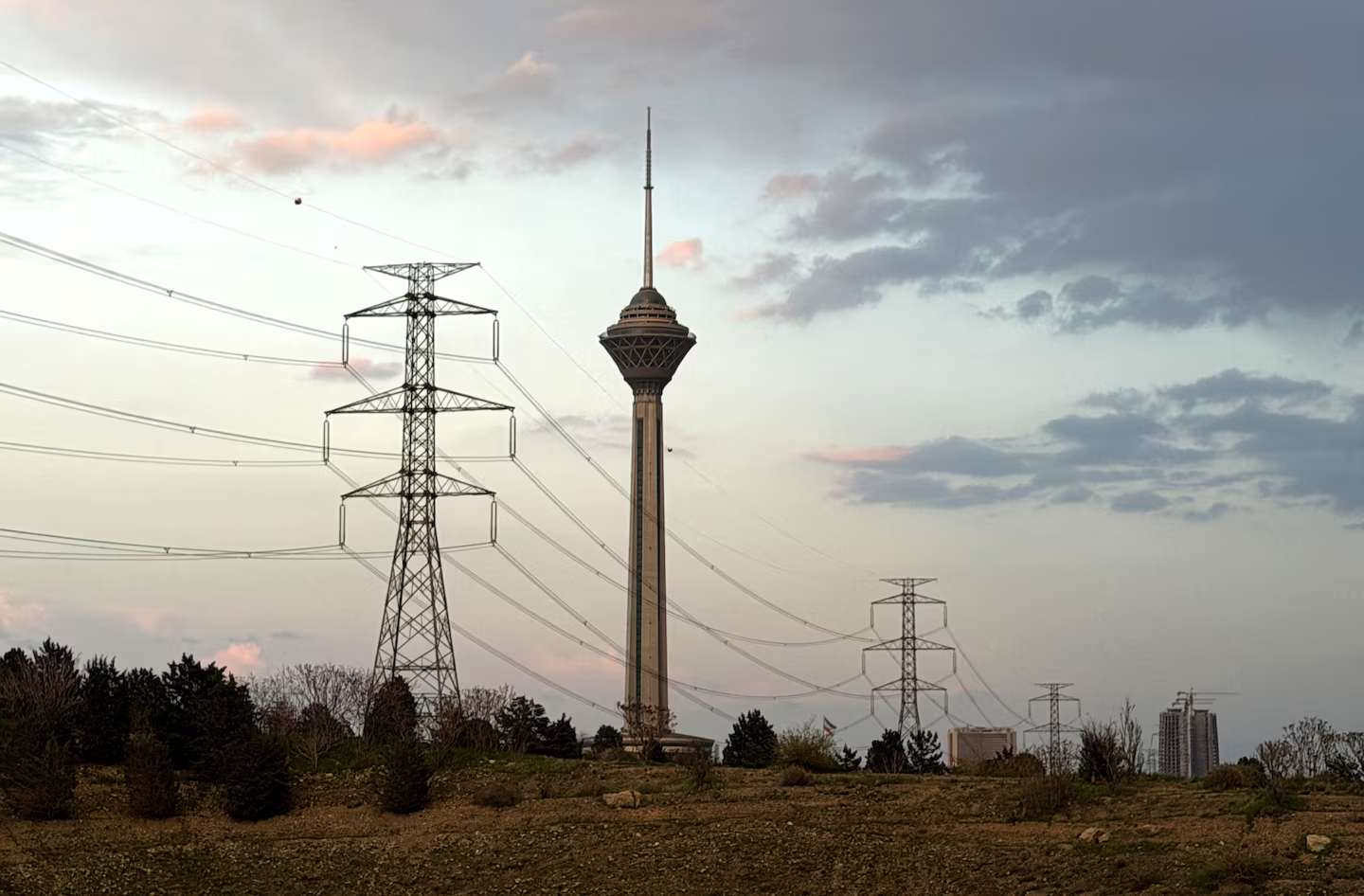

Trump Threatens Iranian Infrastructure in Easter Social Media Post
Former U.S. President Donald Trump escalated tensions with Iran on Easter Sunday, issuing a stark warning targeting the country’s power plants, bridges, and critical infrastructure in a post on his social media platform, Truth Social. The expletive-laden message marked one of his most aggressive public statements against Tehran since leaving office, raising concerns about the potential for renewed conflict in the region.
The post, which did not provide specific policy proposals, suggested a willingness to strike civilian infrastructure—a tactic that could have severe humanitarian consequences. Trump’s rhetoric echoes his administration’s “maximum pressure” campaign against Iran, which included sanctions and the 2020 drone strike that killed top Iranian general Qasem Soleimani.
Context and Escalating Tensions
Iran has long been a focal point of Trump’s foreign policy, with his administration withdrawing from the 2015 nuclear deal and imposing sweeping economic sanctions. While current President Joe Biden has sought to revive diplomatic efforts, negotiations remain stalled, and Iran has continued advancing its nuclear program.
Trump’s latest remarks come amid heightened Middle East instability, including Iran’s alleged support for proxy groups in Yemen, Iraq, and Lebanon. The threats also follow recent clashes between Israel and Iran, including suspected Israeli airstrikes on Iranian targets in Syria.
Why This Matters
Threatening civilian infrastructure is a significant escalation. Strikes on power grids or water systems could devastate Iran’s population, worsening an already dire economic situation. International law experts warn that such actions could constitute war crimes if carried out without clear military justification.
The post also raises questions about Trump’s influence on U.S. foreign policy as he campaigns for a second term. His aggressive stance contrasts with Biden’s more cautious approach, creating a stark choice for voters in the upcoming election.
Potential Fallout
If such threats were ever implemented, the consequences could be severe. Iran might retaliate directly or through its regional allies, risking broader conflict. Global oil markets could also react sharply, given Iran’s role in energy supplies and the Strait of Hormuz’s strategic importance.
Moreover, Trump’s rhetoric could further isolate the U.S. from European allies who still support diplomacy with Iran. It may also embolden hardliners in Tehran, undermining prospects for future negotiations.
Looking Ahead
As the 2024 election cycle intensifies, Trump’s comments signal a possible return to confrontational policies if he regains office. Meanwhile, the Biden administration faces mounting pressure to address Iran’s nuclear advancements while avoiding military escalation.
The world will be watching whether Trump’s threats remain rhetorical or evolve into a tangible strategy—one that could reshape the Middle East’s fragile balance of power.
