



Breaking Through the Past: How an Online Tool Is Reconnecting Families and Resolving Historical Injustices
In a world increasingly shaped by technology, a groundbreaking online tool is offering hope and closure to countless individuals seeking to uncover the truth about their ancestors lost in the chaos of war and conflict. For Christian Rainer, a Berlin-based engineer, the moment was nothing short of life-changing: within seconds of using the tool, he found his grandfather, a man whose fate had remained a mystery for decades. This discovery not only solved a deeply personal family mystery but also cleared other relatives from lingering suspicions tied to wartime activities. As global conflicts continue to displace and divide families, this technological innovation is emerging as a powerful force for reconciliation and justice, offering a bridge between the past and present.
The Tool That’s Rewriting History
The online tool, developed by a consortium of historians, genealogists, and data scientists, leverages vast digital archives, including military records, census data, and historical documents, to piece together fragmented histories. Its algorithm cross-references names, dates, and locations, creating connections that were previously impossible to trace. While similar initiatives have existed in the past, the scale and accuracy of this tool represent a significant leap forward.
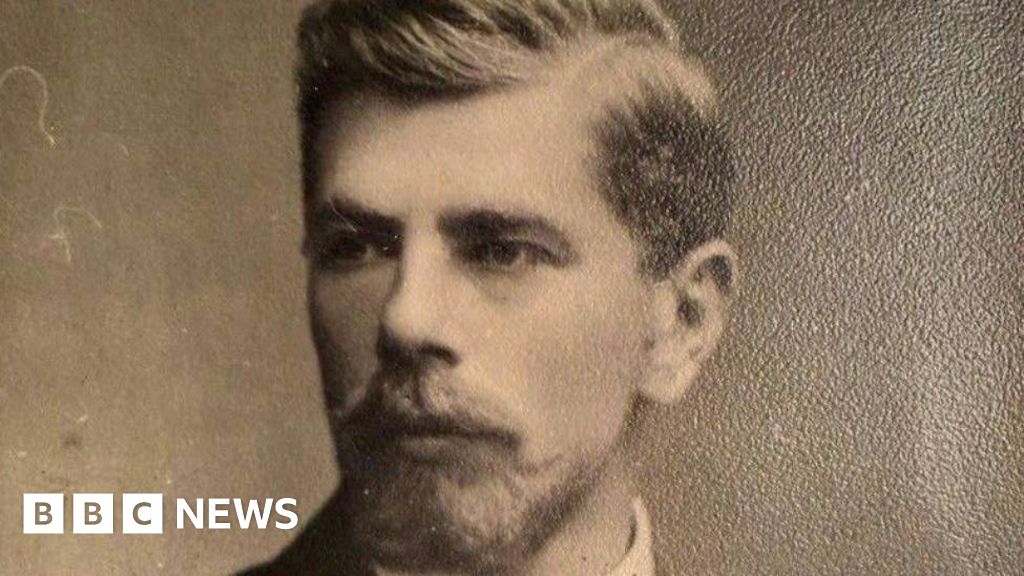
For Christian Rainer, the process was astonishingly swift. His grandfather, a German soldier during World War II, had disappeared during the final days of the conflict, leaving behind a legacy shrouded in uncertainty. Questions lingered—had he survived? Was he a prisoner of war? Did he perish in battle? The answers eluded the family for generations until the tool provided clarity, confirming that he had died in captivity in 1945.
Global Context: Why This Matters
The tool’s significance extends far beyond individual family stories. According to the International Commission on Missing Persons (ICMP), an estimated 10,000 people remain missing from World War II alone, while millions more are unaccounted for from conflicts in regions such as the Balkans, the Middle East, and Southeast Asia. For families of the missing, unresolved questions often lead to generational trauma and identity crises.
Moreover, the tool has implications for addressing historical injustices. In cases where individuals were falsely accused of wartime crimes or collaboration, the ability to access accurate records can exonerate them posthumously, restoring their reputations and providing closure to descendants. This is particularly relevant in countries grappling with the legacies of occupation, genocide, and civil war.
For governments and institutions, the tool offers a new avenue for transparency and accountability. By digitizing and making historical records accessible, it encourages a more honest reckoning with the past, fostering societal healing and preventing the repetition of similar atrocities.
Challenges and Ethical Considerations
Despite its potential, the tool is not without challenges. Privacy concerns loom large, particularly when dealing with sensitive information about individuals who may have participated in or been victims of war crimes. Ensuring that data is used responsibly and ethically is paramount, as misuse could lead to unintended consequences, such as stigmatization or retraumatization of families.
Additionally, the tool’s effectiveness hinges on the availability and accuracy of records. In regions where archives were destroyed during conflicts or remain inaccessible due to political reasons, the tool’s utility is limited. Furthermore, the process of digitizing historical documents requires significant resources, highlighting the need for international cooperation and funding.
A Global Movement Toward Reconciliation
The tool is part of a broader global movement to address the lingering wounds of war. Organizations such as the ICMP, the Red Cross, and various United Nations agencies have long worked to identify missing persons and support their families. However, the integration of advanced technology into these efforts marks a turning point, enabling faster and more precise results.
In the Balkans, for instance, DNA analysis has been instrumental in identifying victims of the 1990s conflicts, helping families reclaim the remains of their loved ones and providing a sense of closure. Similarly, in Iraq and Syria, forensic experts are working tirelessly to identify victims of ISIS atrocities, ensuring that their stories are not forgotten.
The online tool complements these efforts by extending their reach and accessibility. Families who once had no hope of finding answers can now embark on their own quests for truth, empowered by technology.
A New Chapter in Global Security and Healing
In an era marked by escalating geopolitical tensions and the resurgence of nationalist ideologies, understanding the past is more crucial than ever. The legacies of war continue to shape national identities and political landscapes, influencing everything from foreign policy to societal cohesion.
By enabling individuals like Christian Rainer to uncover hidden histories, the tool is not just solving personal mysteries—it is contributing to a broader understanding of the human cost of conflict. It reminds us that behind the statistics and headlines are real people whose lives were irrevocably altered by war.
As the world looks toward a future fraught with uncertainty, initiatives like this offer a glimmer of hope. They demonstrate that even in the face of immense suffering, humanity’s capacity for resilience and reconciliation endures.
The discovery of Christian Rainer’s grandfather is not just a personal triumph—it is a testament to the power of technology to heal wounds, restore dignity, and pave the way for a more just and compassionate world. In a time when the shadows of the past still loom large, this tool is shining a light, guiding us toward a brighter future.
