


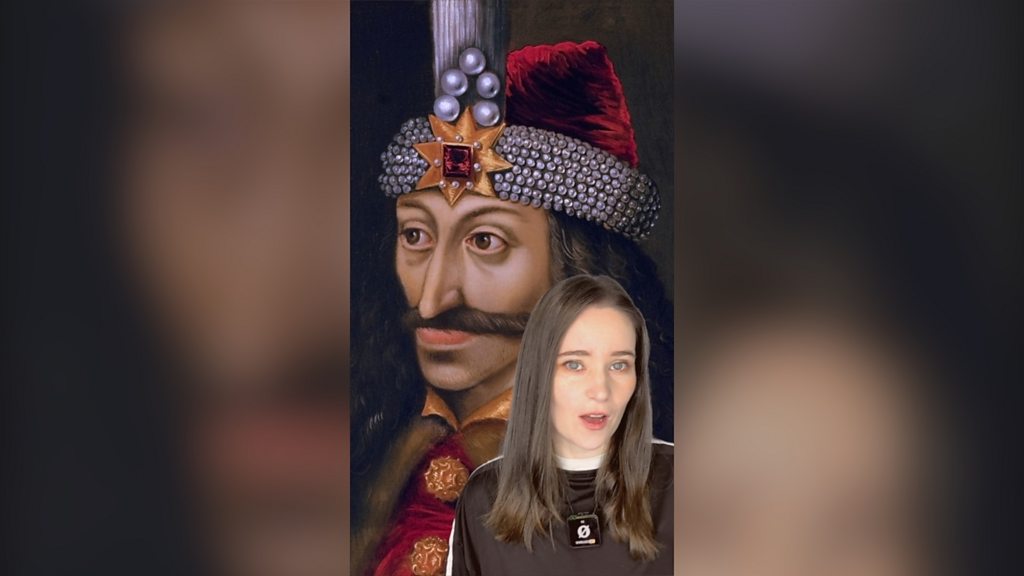

The Brutal Legacy of Vlad the Impaler: A Historical Perspective on Warfare and Terror
The forests of Wallachia were once littered with thousands of rotting corpses, their bodies skewered on towering wooden stakes—a grotesque warning to any who dared defy the ruler known as Vlad the Impaler. His reign of terror in 15th-century Europe remains one of history’s most chilling examples of psychological warfare, a grim precursor to modern tactics of fear and domination.
The Reign of Terror: Vlad’s Methods and Motivations
Vlad III, Prince of Wallachia—better known as Vlad the Impaler or Vlad Dracula—ruled with an iron fist during a tumultuous period of conflict between the Ottoman Empire and Christian Europe. His preferred method of execution, impalement, was not merely a means of killing but a calculated strategy to instill paralyzing fear in his enemies.
Historical accounts vary, but estimates suggest that Vlad impaled between 40,000 and 100,000 people during his reign, including Ottoman soldiers, rival nobles, and even his own subjects accused of disloyalty. The sheer scale of his brutality ensured that his reputation spread far beyond his small kingdom, striking terror into the hearts of invaders and rebels alike.
Global Context: Warfare and Psychological Deterrence
Vlad’s tactics were not unique in medieval warfare, but their extremity set a precedent for the use of terror as a political tool. In an era where empires clashed over religion, territory, and power, psychological warfare often proved as decisive as military strength. The Ottomans, who themselves employed brutal suppression methods, were reportedly stunned by Vlad’s ruthlessness.
Modern parallels can be drawn to contemporary conflicts where fear is weaponized—whether through public executions, mass deportations, or cyber warfare. The Islamic State’s graphic propaganda, for example, mirrored Vlad’s use of spectacle to demoralize opponents. Understanding these historical patterns helps explain why terror remains a persistent tactic in global conflicts.
Why Vlad’s Legacy Matters Today
While Vlad the Impaler’s reign ended over five centuries ago, his methods continue to resonate in discussions about war crimes, authoritarianism, and the ethics of warfare. His story serves as a grim reminder of how far rulers will go to maintain power and deter enemies.
In an age where information warfare and asymmetric conflict dominate, the psychological impact of violence remains a critical factor. Governments and militant groups alike study historical precedents, consciously or unconsciously adopting strategies that manipulate fear. Vlad’s legacy underscores the enduring link between brutality and control—a lesson still relevant in today’s geopolitical struggles.
Conclusion: A Dark Chapter with Lasting Shadows
Vlad the Impaler’s name still evokes horror centuries after his death, a testament to the enduring power of fear as a weapon. His reign offers a stark case study in the extremes of human cruelty and the strategic use of terror in warfare. As the world grapples with modern conflicts fueled by propaganda, coercion, and violence, history’s darkest figures remind us that the tactics of terror are as old as civilization itself—and just as potent today.
