


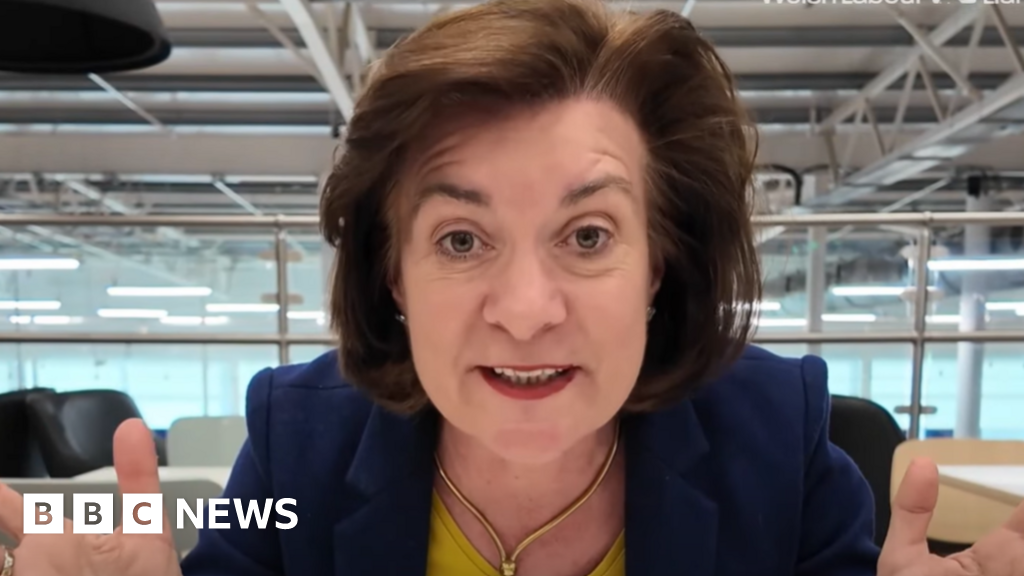

Labour’s Eluned Morgan Predicts Plaid Cymru Victory in Her Constituency
Wales – In a surprising admission, Eluned Morgan, a prominent Labour Party member and Welsh Government Minister for Health and Social Services, has acknowledged that Plaid Cymru is likely to secure the top position in her constituency in the upcoming elections. Morgan, who represents Mid and West Wales in the Senedd, made the statement during a recent political discussion, sparking widespread debate about shifting voter allegiances in the region.
The comment marks a significant moment in Welsh politics, as Labour has traditionally held a strong foothold in many parts of Wales, including Morgan’s constituency. Plaid Cymru, Wales’ nationalist party, has been gaining traction in recent years, particularly in rural and Welsh-speaking areas, as it pushes for greater autonomy and prioritizes issues such as the Welsh language, environmental sustainability, and local economic development.
Morgan’s acknowledgment underscores the changing political landscape in Wales, where voters are increasingly scrutinizing traditional party loyalties and gravitating toward alternatives that align more closely with their values and aspirations. Her statement also reflects the challenges Labour faces in maintaining its dominance in Wales, particularly as Plaid Cymru continues to position itself as a viable and progressive option.
A Shifting Political Landscape
Wales has long been a Labour stronghold, with the party dominating the Senedd and Westminster elections for decades. However, recent years have seen growing dissatisfaction with Labour’s policies, both at the Welsh and UK levels. Critics argue that the party has struggled to address key issues such as healthcare, education, and economic inequality effectively, leaving room for Plaid Cymru to gain ground.
Plaid Cymru, led by Rhun ap Iorwerth, has capitalized on this discontent by presenting a distinctly Welsh-focused agenda. The party’s emphasis on preserving the Welsh language, promoting green energy initiatives, and securing greater devolution has resonated with voters, particularly in rural and Welsh-speaking communities.
Morgan’s constituency, Mid and West Wales, is a diverse region that includes both urban centers and rural areas. While Labour has historically performed well here, Plaid Cymru’s focus on rural issues and cultural preservation has made significant inroads. Morgan’s prediction suggests that the party’s strategy is paying off, potentially reshaping the political dynamics in the region.
Implications for Labour
Morgan’s admission is a rare moment of candor from a senior Labour figure, highlighting the internal challenges the party faces in Wales. While Labour remains the largest party in the Senedd, its grip on Welsh politics has been loosening, particularly in regions where Plaid Cymru and the Conservatives have made gains.
For Labour, the prospect of losing ground in Mid and West Wales represents a significant setback. The party has long relied on its stronghold in Wales to counterbalance losses in other parts of the UK. If Plaid Cymru secures a victory in Morgan’s constituency, it could embolden the party to expand its influence further, potentially challenging Labour’s dominance in the Senedd.
The situation also underscores broader trends affecting Labour across the UK. Voters are increasingly disillusioned with traditional parties, seeking alternatives that offer fresh ideas and solutions. For Labour, the challenge lies in reconnecting with its base while addressing the concerns of a changing electorate.
Plaid Cymru’s Momentum
For Plaid Cymru, Morgan’s prediction is a validation of its growing appeal. The party has worked tirelessly to position itself as a credible and progressive alternative to Labour, focusing on issues that resonate deeply with Welsh voters. Its commitment to environmental sustainability, cultural preservation, and economic fairness has struck a chord, particularly among younger voters and those in rural areas.
If Plaid Cymru does top the poll in Morgan’s constituency, it will signal a significant shift in Welsh politics. The party’s success could inspire greater confidence among its supporters and attract new voters, further consolidating its position as a major political force in Wales.
Looking Ahead
The upcoming elections in Wales will be a critical test for both Labour and Plaid Cymru. For Labour, the focus will be on regaining its footing and addressing the concerns of voters who feel disconnected from the party’s agenda. For Plaid Cymru, the challenge will be to sustain its momentum and translate growing support into tangible electoral gains.
Morgan’s candid assessment of the political landscape serves as a wake-up call for Labour and a rallying cry for Plaid Cymru. As Wales navigates the complexities of devolution, Brexit, and post-pandemic recovery, the choices voters make in the upcoming elections will have far-reaching implications for the country’s future.
Ultimately, the shifting dynamics in Mid and West Wales reflect a broader trend of political realignment, as traditional party loyalties give way to new alliances and priorities. The outcome of the elections will not only determine the balance of power in the Senedd but also shape the direction of Welsh politics for years to come.
