


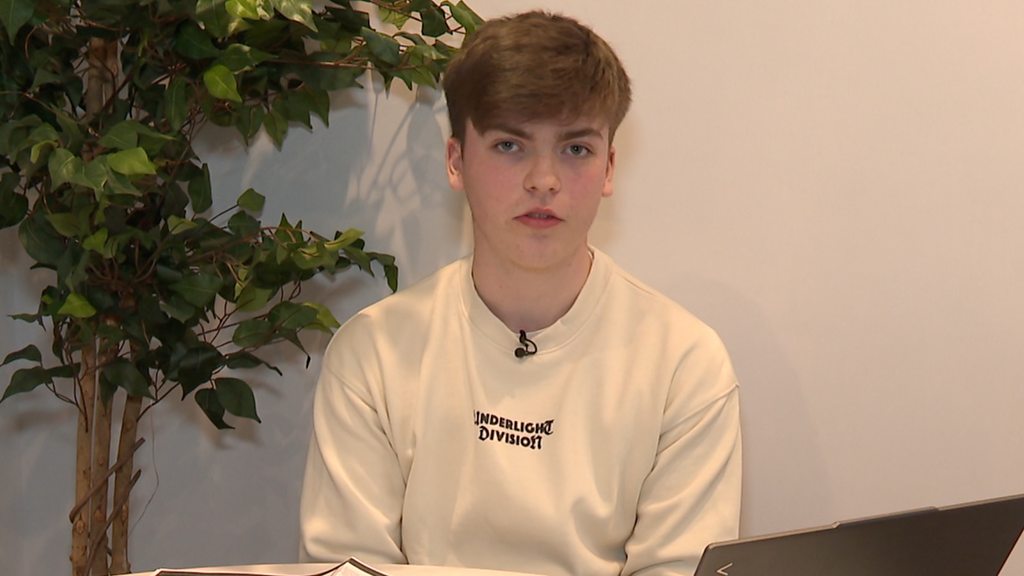

Welsh Parties Outline Plans to Support Young People Ahead of Key Elections
As Wales gears up for crucial elections, young voters are demanding action on issues ranging from affordable housing to mental health support. Sam Jones, a youth advocate, pressed Wales’ six largest political parties to detail their plans for addressing the challenges facing the next generation. Their responses reveal starkly different visions for the country’s future.
The Call for Clarity
Jones, representing a coalition of youth organizations, submitted identical questions to Labour, Plaid Cymru, the Welsh Conservatives, the Welsh Liberal Democrats, Reform UK, and the Green Party. The inquiry focused on education, employment, housing, and mental health—top concerns for voters under 30.
With youth unemployment in Wales hovering above the UK average and rents skyrocketing in cities like Cardiff and Swansea, the stakes are high. Nearly a third of Welsh young people report struggling with mental health, according to recent surveys, while many face barriers to homeownership.
Party Responses: Divergent Visions
Labour, currently leading the Welsh government, emphasized expanding apprenticeships and building more social housing. A spokesperson highlighted plans to increase mental health funding by 10% and introduce free school meals for all primary students.
Plaid Cymru pledged to push for greater Welsh autonomy to tailor education and job programs. The party also proposed a “Youth Guarantee,” ensuring every school leaver access to training or employment.
The Welsh Conservatives criticized Labour’s record, promising tax cuts for small businesses hiring young workers and a rent-to-buy scheme for first-time homeowners.
Meanwhile, the Welsh Liberal Democrats vowed to reinstate maintenance grants for university students and expand youth counseling services. Reform UK focused on tightening welfare rules to “incentivize work,” while the Green Party called for a universal basic income pilot for young adults.
Why It Matters
Wales’ demographic trends amplify the urgency. Nearly 20% of the population is under 25, yet voter turnout in this group remains low. Analysts suggest engaging young voters could swing key constituencies.
“Parties can’t afford to ignore young people anymore,” said Dr. Elin Morgan, a Cardiff University political scientist. “Their policies will shape Wales’ workforce and social fabric for decades.”
What’s Next?
The election outcome will determine whether Wales prioritizes investment in youth services or leans toward austerity. Advocates warn that without concrete action, brain drain and social inequality could worsen.
For now, the ball is in the voters’ court—and young Welsh citizens are watching closely.
—Reporting by Sam Jones; additional research by local youth advocacy groups.
