


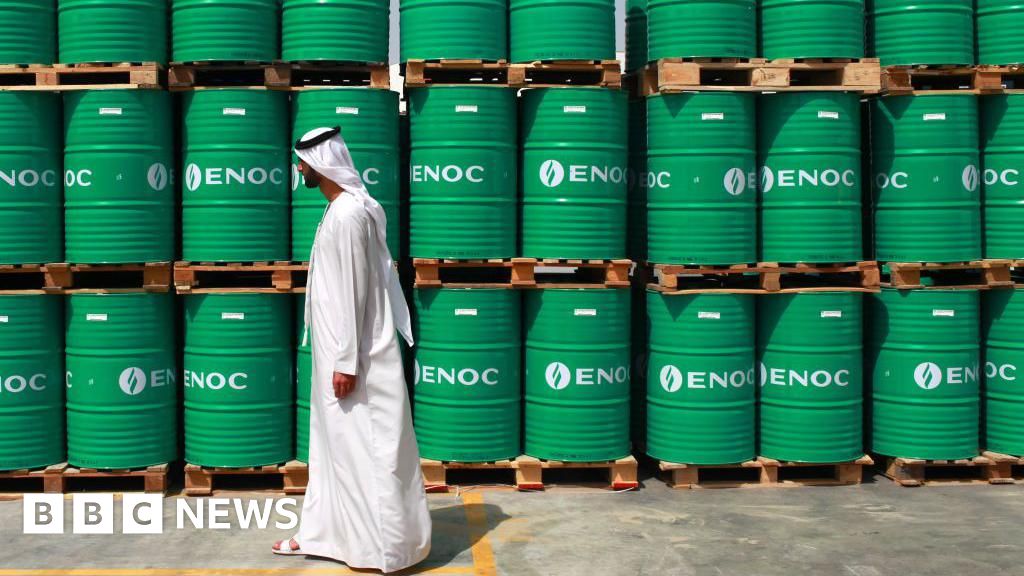

Global Oil Blockades: A Temporary Standstill with Long-Term Consequences
A Fragile Balance in Global Energy Security
The world watches with bated breath as oil blockades tighten their grip on critical supply routes, threatening to destabilize an already fragile global energy market. While immediate disruptions may appear contained, analysts warn that the long-term geopolitical and economic ramifications could reshape trade alliances, trigger inflation spikes, and deepen global divisions. The current standoff may seem like a temporary bottleneck, but beneath the surface, it signals a brewing storm that could alter energy security for decades.
The Current Crisis: Blockades and Their Immediate Impact
Oil blockades—whether through military action, sanctions, or geopolitical maneuvering—have historically sent shockwaves through global markets. Recent disruptions in key maritime chokepoints, such as the Strait of Hormuz or the Red Sea, have forced rerouted shipments, inflated shipping costs, and heightened fears of supply shortages.
Despite these pressures, major economies have so far avoided catastrophic fuel shortages due to strategic reserves and alternative suppliers. However, the strain is evident: Brent crude prices remain volatile, and energy-dependent industries brace for potential turbulence. The immediate effect may be muted, but the underlying tensions are far from resolved.
Why This Matters Beyond the Barrel
Oil is more than just a commodity—it is the lifeblood of modern economies and a weapon in geopolitical conflicts. When supply routes are threatened, the ripple effects extend far beyond gas prices:
- Economic Domino Effect: Rising fuel costs drive up transportation, manufacturing, and food prices, exacerbating inflation in already struggling economies.
- Political Leverage: Nations controlling critical oil passages wield disproportionate power, forcing realignments in global alliances.
- Energy Transition Pressures: Prolonged instability may accelerate the shift to renewables—or, conversely, push nations to double down on fossil fuel security.
The current blockades are not just about today’s oil flow; they are a test of global resilience in an era of increasing resource nationalism.
Historical Precedents: Lessons from Past Disruptions
The world has faced oil crises before—the 1973 OPEC embargo, the 1990 Gulf War shortages, and the 2019 attacks on Saudi oil facilities each triggered economic and political upheaval. Yet today’s landscape is more complex:
- New Players: Russia’s war in Ukraine has already reshaped energy trade, with Europe pivoting away from Russian oil and gas.
- Climate Commitments: Western nations are torn between securing fossil fuel supplies and meeting green energy targets.
- China’s Growing Influence: As the world’s largest oil importer, Beijing’s response to blockades could dictate future market stability.
History suggests that while markets adapt, the scars of prolonged disruptions linger—reshaping policies, alliances, and economic priorities.
The Long Game: How This Could Change Everything
If blockades persist or escalate, the consequences could redefine global energy dynamics:
- Supply Chain Realignments: Nations may seek more localized or diversified energy sources, reducing reliance on volatile regions.
- Military Escalation Risks: Armed confrontations near key shipping lanes could draw in global powers, heightening conflict risks.
- Accelerated Energy Transition: Persistent instability may force faster adoption of renewables, electric vehicles, and nuclear energy.
The real danger lies not in the immediate shortages, but in the long-term shifts in power, trade, and security strategies that these disruptions could unleash.
Conclusion: A Precarious Moment with Lasting Repercussions
The world stands at an energy crossroads. Today’s oil blockades may not yet trigger a full-blown crisis, but they expose the vulnerabilities of an interconnected global system. As nations scramble to secure supplies, recalibrate alliances, and hedge against future shocks, one thing is clear: the era of predictable energy trade is over.
What comes next will depend on whether leaders choose confrontation or cooperation—and whether the global economy can withstand the turbulence ahead. The stakes are high, and the clock is ticking.
