


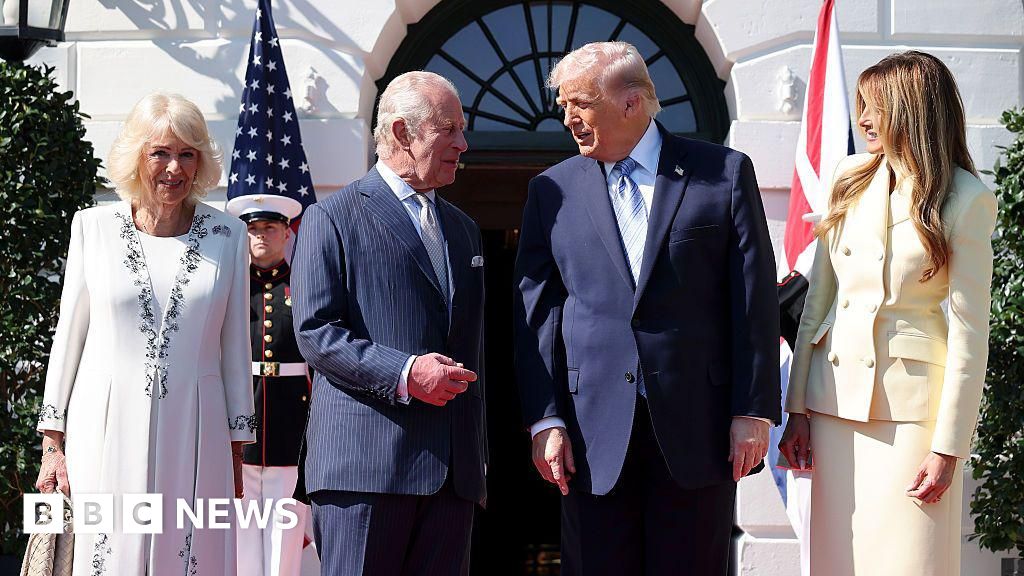

King Charles’s U.S. Visit Highlights Limits of Royal Diplomacy in Shifting UK-US Ties
King Charles III’s recent state visit to the United States underscored the enduring symbolic power of the British monarchy but also revealed the limitations of royal diplomacy in repairing a strained UK-US relationship. Amid geopolitical tensions, trade disputes, and political differences, the visit served as a reminder that even the most high-profile gestures cannot reset complex international dynamics overnight.
The King’s trip, his first state visit to the U.S. since ascending the throne, was marked by ceremonial fanfare and warm receptions. However, British diplomats had tempered expectations from the outset. Privately, they acknowledged that deep-seated disagreements over key issues—ranging from Iran and NATO to Ukraine and trade—would not be resolved by a royal tour, no matter how meticulously orchestrated.
One of the most glaring challenges is the divergence in UK and U.S. approaches to Iran. While both nations share concerns over Tehran’s nuclear ambitions, their strategies for addressing the issue have often clashed. The U.S. has pursued a mix of diplomatic engagement and sanctions, while the UK has advocated for a more multilateral approach under EU frameworks. These differing tactics have occasionally led to friction, highlighting the difficulty of aligning policies.
NATO, too, remains a point of contention. While both countries remain committed to the alliance, there are growing concerns in London about Washington’s shifting priorities, particularly under the Biden administration. The U.S. has increasingly focused on countering China’s influence in the Indo-Pacific, raising questions about its long-term commitment to European security. For the UK, which views NATO as a cornerstone of its defense strategy, this shift poses a strategic dilemma.
The war in Ukraine has further strained the relationship. While both nations have rallied behind Kyiv, providing military aid and imposing sanctions on Russia, differences in tactics and rhetoric have occasionally surfaced. The UK has pushed for more aggressive support for Ukraine, including the provision of advanced weaponry, while the U.S. has been more cautious, wary of escalating the conflict.
Trade disputes also loom large. Post-Brexit Britain has been eager to negotiate a comprehensive free trade agreement with the U.S., but progress has been slow. Issues such as agricultural standards and subsidies for electric vehicles have complicated negotiations, leaving both sides in a stalemate.
Adding to the tension are lingering echoes of former President Donald Trump’s criticisms of British political figures. Trump’s verbal attacks on Sir Keir Starmer, leader of the UK’s Labour Party, have left a lasting mark, exacerbating partisan divides and complicating efforts to foster bipartisan cooperation.
Against this backdrop, King Charles’s visit was less about reshaping the relationship and more about reaffirming the enduring ties between the two nations. The King’s speeches emphasized shared values, historical bonds, and the importance of collaboration on global challenges such as climate change. His presence was a reminder of the soft power wielded by the monarchy, capable of bridging political divides and fostering goodwill.
However, the limitations of this approach were evident. While the King’s visit generated positive headlines and strengthened cultural connections, it did not address the substantive issues straining the UK-US relationship. The trip underscored the reality that royal diplomacy, for all its symbolic impact, cannot substitute for hard-nosed political negotiations and policy alignment.
Looking ahead, the challenges facing the UK-US relationship are unlikely to diminish. Geopolitical shifts, economic uncertainties, and evolving domestic priorities in both countries will continue to test the strength of their alliance. The Biden administration’s focus on countering China, coupled with the UK’s post-Brexit ambitions, will require careful navigation to avoid further divergence.
Royal visits, while important for maintaining cultural and historical ties, are not a panacea for deeper issues. They can provide a platform for dialogue and reinforce shared values, but they cannot resolve complex policy disagreements or geopolitical tensions.
As King Charles returns to the UK, the question remains: What comes next? While the visit may have strengthened personal relationships and highlighted areas of common interest, the future of the UK-US relationship will depend on sustained diplomatic efforts, pragmatic compromises, and a clear-eyed recognition of mutual priorities.
In an era of rapid change and uncertainty, the enduring partnership between the UK and the US remains a cornerstone of global stability. But maintaining that partnership will require more than ceremonial gestures—it will demand a commitment to addressing the thorny issues that divide them and a willingness to adapt to an ever-shifting geopolitical landscape.
The King’s visit was a moment of reflection, reminding both nations of the ties that bind them. Yet, it also served as a stark reminder that the work of diplomacy is never done. The road ahead will be challenging, but the stakes are too high to falter.
