



Nintendo Introduces New Pricing Policy for Digital Games on Upcoming Switch 2 Titles
In a move that has delighted gamers worldwide, Nintendo has announced a new pricing strategy for digital versions of its first-party games on the highly anticipated Nintendo Switch 2. The policy, which effectively reduces the cost of digital titles by $10 compared to their physical counterparts, marks a significant shift in the company’s approach to game pricing—a decision that could reshape consumer purchasing habits in the gaming industry. The announcement coincides with the preorder launch of two major titles: Splatoon Raiders and Yoshi and the Mysterious Book. Notably, while Nintendo’s digital pricing policy sets a new standard, retailers like Amazon and Walmart are offering competitive pricing for physical editions, creating a dynamic pricing landscape for consumers.
A New Era for Nintendo’s Pricing Policy
For years, Nintendo has maintained a consistent pricing structure for its games, with physical and digital versions often priced identically. However, with the upcoming release of the Nintendo Switch 2, the company is breaking tradition by introducing a $10 discount for digital versions of its first-party titles. This decision reflects a growing trend in the gaming industry, where digital sales have increasingly outpaced physical copies due to convenience and accessibility.
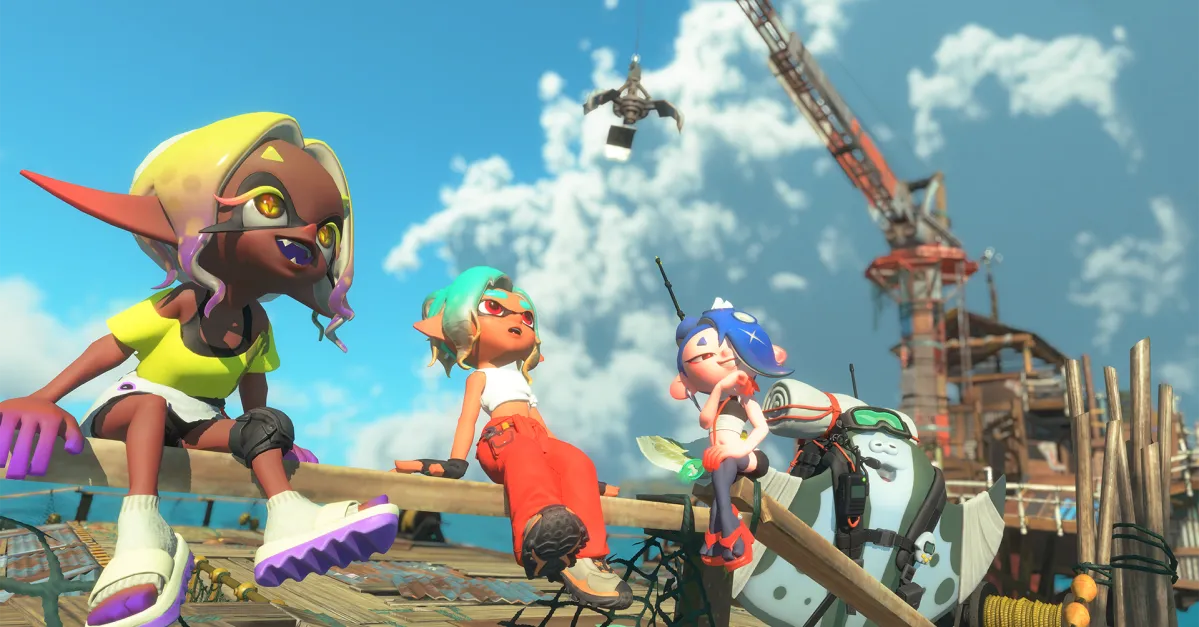
The first title to benefit from this new policy is Splatoon Raiders, a spin-off from the popular Splatoon franchise. Slated for release on July 23rd, the game features the same third-person, paint-splatting gameplay that fans have come to love, but with fresh locales and new challenges. While the physical edition is priced at $59.99, the digital version is available for $49.99—a $10 saving that underscores Nintendo’s commitment to making digital gaming more attractive.
However, the pricing landscape has become even more intriguing due to competitive offers from major retailers. Both Amazon and Walmart are currently offering Splatoon Raiders for $49.94—slightly cheaper than Nintendo’s digital price. This unexpected discount on physical editions has sparked discussions among consumers about the best way to purchase their games, whether digitally or physically.
Discounted Deals Extend to Other Titles
The $10 discount is not limited to Splatoon Raiders. Nintendo has extended the policy to its upcoming side-scrolling adventure, Yoshi and the Mysterious Book, which is set to hit shelves on May 21st. Known for its charming storybook art style and engaging gameplay, the physical version of the game is priced at $69.99. However, the digital edition is available for $59.99, aligning with the new pricing strategy.
Once again, Amazon and Walmart have seized the opportunity to offer competitive deals. Both retailers are currently listing Yoshi and the Mysterious Book for $59.88—just a few cents less than the digital version. These pricing maneuvers highlight the growing competition between retailers and digital storefronts, as both vie for consumer loyalty in an increasingly crowded marketplace.
Context: A Changing Gaming Landscape
Nintendo’s new pricing policy arrives at a time when the gaming industry is grappling with rising costs across the board. Inflation, supply chain disruptions, and increasing development expenses have led many companies to raise the prices of their games and hardware. For instance, Sony’s PlayStation and Microsoft’s Xbox have both increased the prices of their consoles and games in recent years. Against this backdrop, Nintendo’s decision to offer discounts on digital versions of its games is a refreshing departure from the industry norm.
The move also aligns with broader trends in consumer behavior. Digital game sales have surged in recent years, driven by the convenience of instant downloads and the growing prevalence of digital storefronts. According to a 2023 report by the Entertainment Software Association (ESA), digital sales now account for more than 80% of the global video game market. By incentivizing digital purchases, Nintendo is not only catering to consumer preferences but also reducing its reliance on physical distribution—a cost-saving measure that could benefit the company in the long run.
What This Means for Consumers
For gamers, Nintendo’s new pricing policy presents an opportunity to save money while enjoying the latest titles. The $10 discount on digital versions—coupled with competitive pricing from retailers—offers flexibility and choice, allowing consumers to decide whether they prioritize cost savings or the tangible experience of owning a physical copy.
However, the decision between digital and physical purchases is not purely financial. Physical copies offer benefits such as resale value and the ability to lend games to friends, while digital versions provide instant access and eliminate the need for storage space. As Nintendo continues to roll out this pricing strategy for future Switch 2 titles, it will be interesting to see how consumer preferences evolve in response.
Looking Ahead
Nintendo’s announcement has set the stage for a dynamic pricing landscape in the gaming industry. By incentivizing digital purchases, the company is positioning itself to capitalize on the growing popularity of digital storefronts while offering tangible benefits to consumers. At the same time, retailers like Amazon and Walmart are stepping up their game, offering competitive deals that challenge Nintendo’s digital pricing.
As the gaming industry continues to navigate rising costs and shifting consumer preferences, Nintendo’s approach could serve as a blueprint for other companies looking to balance profitability with consumer satisfaction. Whether this marks the beginning of a broader industry trend remains to be seen, but one thing is clear: gamers are the ultimate winners in this evolving pricing battle.
As Splatoon Raiders and Yoshi and the Mysterious Book prepare to launch, the buzz surrounding Nintendo’s new pricing policy underscores the company’s ability to innovate—not just in gameplay, but in how it engages with its audience. For now, consumers have more options than ever, and the choice between digital and physical gaming has never been more compelling.
