


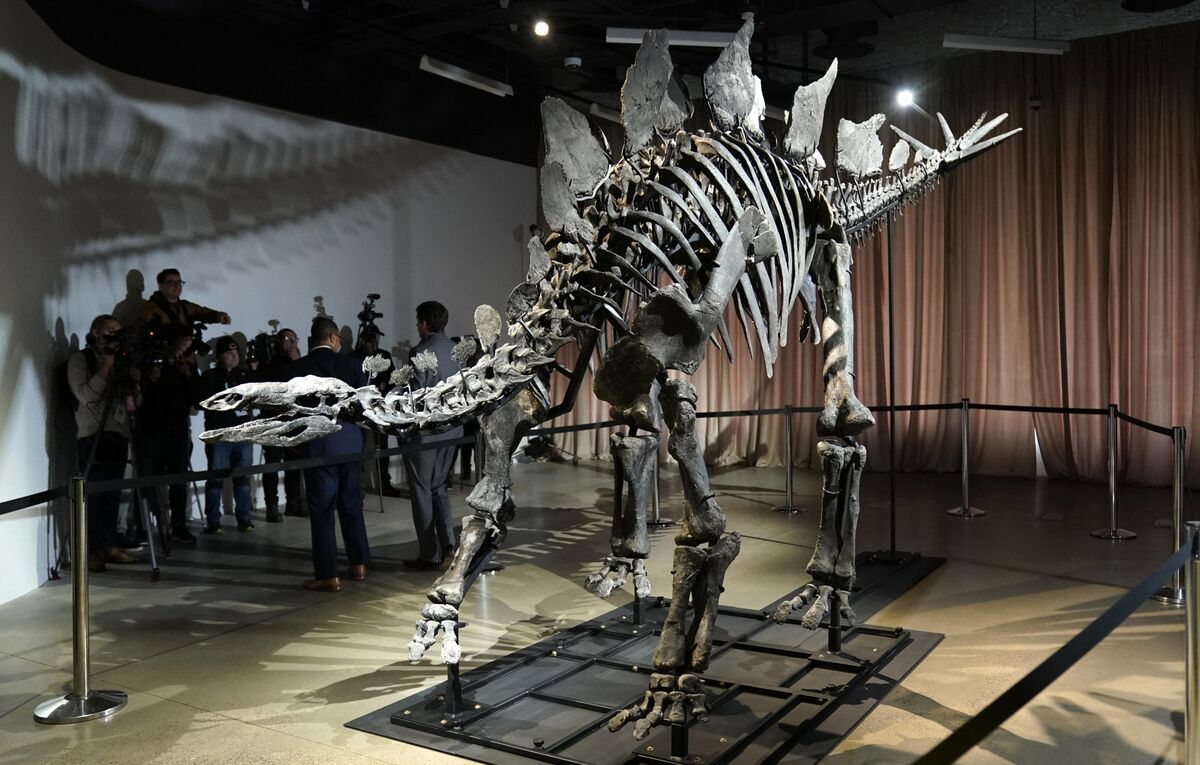

The Rise of Fossil Collecting: How Prehistoric Artifacts Are Becoming Luxury Investments for the Wealthy
In a world where art auctions and luxury goods dominate the conversations of the elite, a new trend is emerging from the depths of the Earth: fossil collecting. Once the domain of museums and paleontologists, rare fossils are now fetching millions of dollars at auctions, transforming these ancient relics into coveted status symbols for the wealthy. From towering dinosaur skeletons to meticulously preserved prehistoric fish, fossils are increasingly being seen as both a financial investment and a testament to one’s intellectual curiosity and refined taste.
This burgeoning market, however, raises ethical questions about the intersection of science, commerce, and conservation. Are these priceless pieces of Earth’s history better suited for public institutions, or is their sale to private collectors an inevitable evolution of their value?
The Fossil Market Boom
The fossil trade is not a new phenomenon, but its scale and prominence have escalated dramatically in recent years. According to industry experts, the global market for fossils is now worth hundreds of millions of dollars annually, driven by demand from collectors, investors, and even celebrities. High-profile auctions have thrust fossils into the spotlight, with record-breaking sales making headlines around the world.
One of the most notable examples occurred in 2020 when “Stan,” a nearly complete Tyrannosaurus rex skeleton, sold for $31.8 million at Christie’s in New York. This sale shattered previous records and signaled a seismic shift in how fossils are perceived. No longer confined to academic institutions, fossils are now being marketed as rare and exclusive artifacts, often accompanied by narratives that emphasize their scientific and historical significance.
Industry insiders attribute this surge in interest to several factors. First, the COVID-19 pandemic spurred increased demand for alternative investments, as wealthy individuals sought to diversify their portfolios beyond traditional assets like stocks and real estate. Fossils, with their rarity and enduring appeal, have emerged as a tangible and unique investment opportunity.
Second, the rise of social media has amplified the visibility of fossil collecting. Platforms like Instagram and YouTube have become showcases for collectors to display their acquisitions, sparking curiosity and envy among followers. This digital exposure has democratized fossil collecting, making it more accessible and appealing to a broader audience.
The Ethics of Fossil Ownership
While the fossil trade has brought newfound attention to paleontology, it has also sparked controversy among scientists and conservationists. Many argue that the commercialization of fossils risks depriving researchers of critical specimens that could advance our understanding of prehistoric life. Unlike museum-held fossils, which are typically accessible to scientists for study, privately owned specimens may remain hidden from public view, effectively locking away valuable scientific data.
Dr. Emily Carter, a paleontologist at the University of Oxford, expressed concern about the ethical implications of the fossil trade. “When fossils are sold to private collectors, there’s no guarantee they’ll be available for research or education,” she said. “These are irreplaceable pieces of our planet’s history, and their removal from the scientific community can hinder our ability to unravel the mysteries of the past.”
Moreover, the fossil trade has raised questions about provenance and legality. In some cases, fossils are excavated from countries with lax regulations, leading to concerns about looting and the exploitation of natural resources. Organizations like the Society of Vertebrate Paleontology have called for stricter controls to ensure that fossils are acquired ethically and transparently.
Fossils as Cultural Icons
Beyond their scientific value, fossils have become cultural symbols, reflecting humanity’s fascination with the ancient world. The allure of owning a piece of Earth’s history taps into a deep-seated curiosity about the origins of life and the creatures that once roamed the planet. For collectors, fossils represent more than just a financial asset—they are a connection to a distant past, offering a tangible link to the stories of long-extinct species.
This cultural significance has been further amplified by popular media. Films like Jurassic Park and documentaries exploring prehistoric life have ignited public interest in dinosaurs and other ancient creatures, fueling demand for fossils as collectibles. The association between fossils and popular culture has elevated their status, transforming them into coveted items for those seeking to own a piece of cinematic and scientific history.
Balancing Commerce and Conservation
As the fossil market continues to grow, stakeholders are grappling with how to balance commercial interests with the need for conservation and scientific access. Some auction houses and sellers have begun implementing measures to address these concerns. For example, Christie’s has partnered with museums and research institutions to ensure that certain fossils remain accessible to the public, even after being sold.
Additionally, governments and international organizations are working to establish clearer guidelines for the fossil trade. The UNESCO Convention on the Means of Prohibiting and Preventing the Illicit Import, Export, and Transfer of Ownership of Cultural Property has been instrumental in addressing issues related to the illegal trade of fossils, but enforcement remains a challenge in many regions.
Despite these efforts, the tension between commerce and conservation persists. For now, the fossil trade continues to thrive, driven by the dual forces of curiosity and capital.
A Future Shaped by the Past
The rise of fossil collecting underscores the enduring allure of Earth’s ancient history. As these prehistoric artifacts transition from scientific specimens to luxury investments, they occupy a unique space at the intersection of art, science, and commerce. While their sale to private collectors has sparked debate, it has also brought attention to the importance of preserving and studying our planet’s past.
As the fossil market evolves, stakeholders must navigate the complex dynamics of ownership, access, and ethics. Whether these relics remain in private hands or find their way back to public institutions, their significance as windows into Earth’s history will endure.
In the end, the story of fossil collecting is not just about the artifacts themselves but about humanity’s unending fascination with the mysteries of the past—and the lengths we will go to own a piece of it.
