


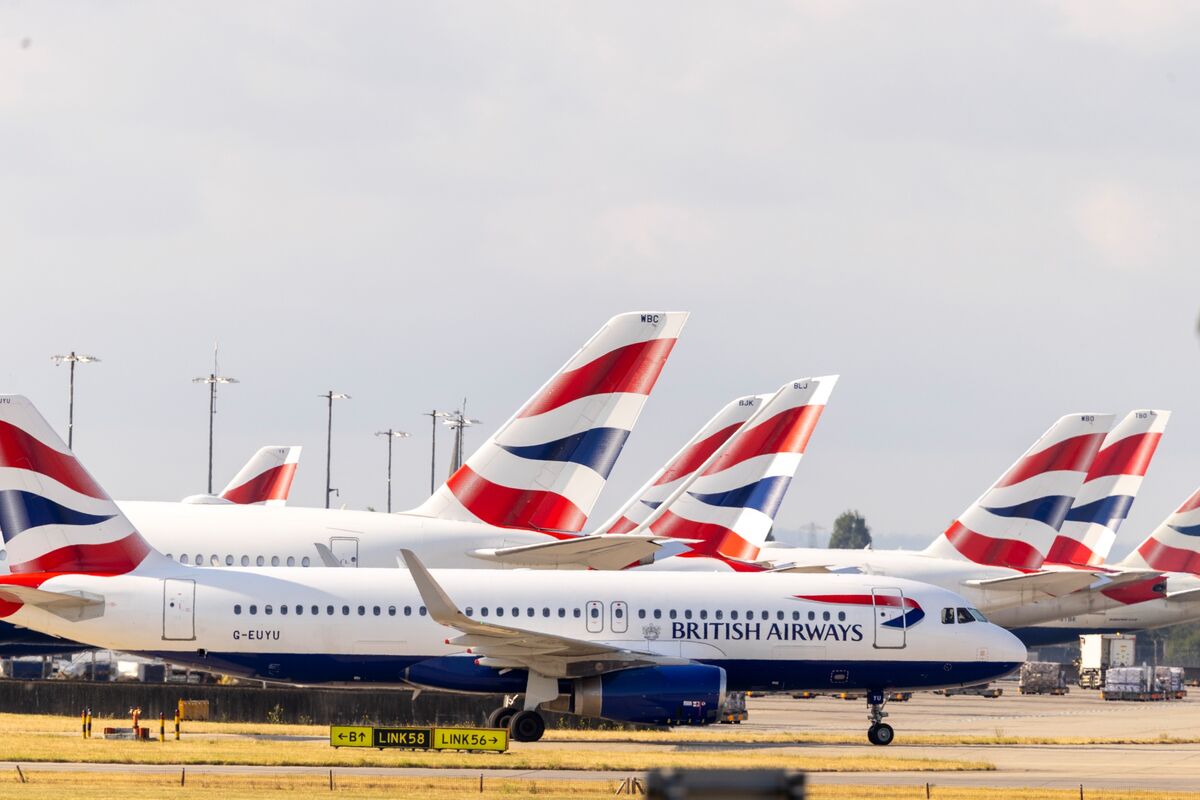

British Airways Owner IAG Warns of Lower Profits Amid Soaring Fuel Costs Linked to Middle East Conflict
In a stark reminder of how geopolitical turmoil can ripple across global industries, International Airlines Group (IAG), the parent company of British Airways, has issued a profit warning, citing escalating fuel costs driven by surging oil prices amid the ongoing conflict in the Middle East. The announcement, made on Tuesday, underscores the vulnerability of the aviation sector to external shocks and highlights the broader economic repercussions of instability in one of the world’s most critical energy-producing regions.
IAG, which also owns carriers such as Iberia, Aer Lingus, and Vueling, revealed that its full-year profit for 2024 would be significantly lower than previously anticipated. The group attributed the revised forecast to a sharp increase in its fuel bill, which has ballooned as crude oil prices climb to multi-month highs. Brent crude, the international benchmark, has surged by over 20% since mid-September, trading above $90 per barrel, as the Israel-Hamas conflict raises fears of a wider regional confrontation that could disrupt oil supplies.
The airline group also flagged concerns about its free cash flow, which it now expects to fall short of initial projections. This news comes as a blow to investors, who had been optimistic about the industry’s recovery following the COVID-19 pandemic. IAG’s shares dropped nearly 4% on the London Stock Exchange following the announcement, reflecting broader market unease about the sector’s ability to weather this latest storm.
The Broader Context: How Middle East Tensions Are Impacting Global Markets
The Middle East, home to nearly a third of the world’s oil production, has long been a flashpoint for global energy markets. The recent escalation in hostilities between Israel and Hamas has reignited fears of supply disruptions, particularly in the event of a broader conflict involving major oil-producing nations such as Iran or Saudi Arabia. Analysts warn that any prolonged instability could push oil prices even higher, exacerbating inflationary pressures and complicating efforts by central banks to stabilize economies.
For airlines, which are heavily reliant on jet fuel, rising oil prices translate directly into higher operating costs. Jet fuel typically accounts for 20-30% of an airline’s total expenses, making it the single largest cost component after labor. In recent months, airlines have already been grappling with inflationary pressures, labor disputes, and the lingering effects of the pandemic on travel demand. The latest surge in fuel prices adds another layer of complexity to an already challenging operating environment.
Industry experts note that while carriers have sought to mitigate rising costs by passing some of the burden onto consumers through higher ticket prices, there are limits to how much customers are willing to pay. “Airlines are walking a tightrope,” said Philip Baggaley, chief transportation analyst at S&P Global Ratings. “They need to balance the need to cover their expenses with the risk of pricing out travelers, particularly in the leisure segment, which has been a key driver of post-pandemic recovery.”
IAG’s Strategic Challenges
For IAG, the current situation presents a particularly tough challenge. The group, which was formed in 2011 through the merger of British Airways and Iberia, has been pursuing an ambitious turnaround strategy aimed at cutting costs, improving operational efficiency, and expanding its market share in key regions. While the group has made significant progress in recent years, the latest headwinds threaten to derail its momentum.
IAG’s CEO, Luis Gallego, acknowledged the difficulties ahead but expressed confidence in the group’s ability to adapt. “While the external environment remains uncertain, we are focused on managing the factors within our control,” Gallego said in a statement. “We will continue to prioritize cost discipline and operational efficiency to navigate these challenges.”
The group has already taken steps to hedge against fuel price volatility, a common strategy among airlines to lock in favorable rates and reduce exposure to market fluctuations. However, hedging is not a foolproof solution, particularly when prices rise sharply over a short period. Moreover, analysts caution that hedging can backfire if oil prices unexpectedly decline, leaving airlines locked into higher-than-market rates.
The Global Aviation Industry Under Pressure
IAG’s profit warning is emblematic of the broader pressures facing the global aviation industry. Carriers worldwide are contending with a perfect storm of rising costs, geopolitical uncertainty, and shifting consumer behavior. In the United States, major airlines such as Delta and American Airlines have similarly flagged concerns about fuel prices, while in Europe, Lufthansa and Air France-KLM are grappling with labor strikes and regulatory challenges.
The situation is further complicated by the uneven recovery in travel demand. While leisure travel has rebounded strongly, business travel—historically a lucrative segment for airlines—remains subdued as companies embrace remote work and cut back on corporate trips. Moreover, the cost-of-living crisis in many countries has made consumers more price-sensitive, forcing airlines to compete aggressively on fares.
Despite these challenges, there are some bright spots on the horizon. Analysts point to the continued recovery in international travel, particularly in the Asia-Pacific region, where borders have reopened after prolonged COVID-19 restrictions. Additionally, the growing popularity of premium economy and business class offerings has helped offset some of the pressure on revenue.
Looking Ahead: A Balancing Act for Airlines
As airlines navigate this turbulent landscape, industry leaders are calling for a coordinated response to address the structural challenges facing the sector. This includes investing in more fuel-efficient aircraft, adopting sustainable aviation fuels (SAFs), and forging closer partnerships with governments and regulators to ensure a level playing field.
For IAG, the road ahead is fraught with uncertainty, but the group’s strong brand portfolio and diversified revenue streams position it well to weather the storm. “Airlines have proven their resilience time and again,” said John Strickland, an independent aviation analyst. “While the current environment is tough, those with strong balance sheets and clear strategies will emerge stronger in the long run.”
As the Middle East conflict continues to cast a shadow over global markets, the aviation industry’s ability to adapt and innovate will be critical to sustaining its recovery. For now, passengers and investors alike will be watching closely to see how airlines navigate these turbulent skies.
