


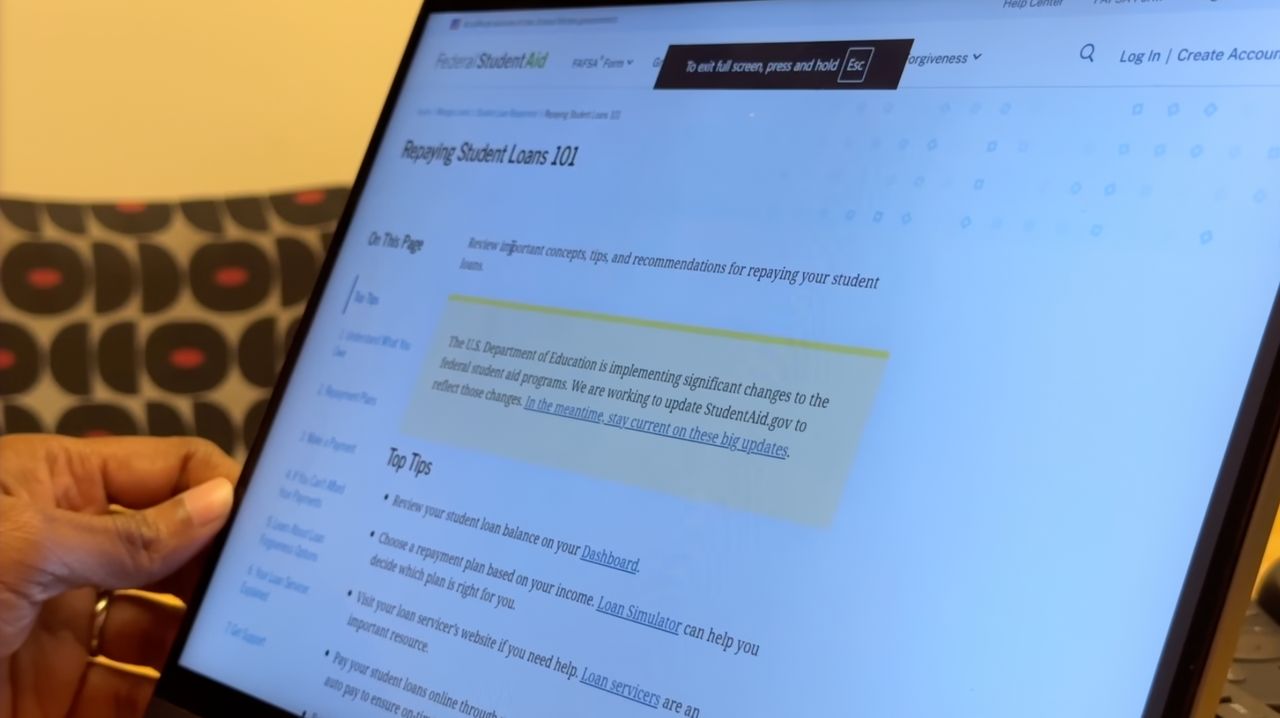

Federal Court Blocks SAVE Student Loan Plan, Affecting 7.5 Million Borrowers
A federal appeals court has halted the Biden administration’s SAVE student loan repayment program, leaving millions of borrowers scrambling to adjust their repayment strategies. The decision, tied to broader reforms from the Trump-era “One Big Beautiful Bill,” could force more than 7.5 million Americans into higher monthly payments or alternative plans.
The SAVE program, designed to ease financial strain by capping payments based on income, has been a lifeline for many struggling graduates. Now, borrowers must quickly pivot to other options, including Income-Based Repayment (IBR) or the newer Repayment Assistance Plan (RAP).
What Borrowers Need to Do Now
Loan servicers will begin notifying affected borrowers starting July 1, 2026, kicking off a critical 90-day window to switch repayment plans. Financial aid expert Everrett Smith warns that procrastination could lead to serious consequences.
“Once those notices go out, servicers assume their job is done,” Smith said. “Borrowers must act fast—missing deadlines could hurt credit scores, limit housing options, or even trigger defaults.”
Some fear the abrupt shift could spark a wave of loan defaults. “This could create a mass default situation,” Smith cautioned. “It’s a real risk if people don’t adjust in time.”
How Universities Are Responding
With federal loan policies in flux, universities like the University of Cincinnati (UC) are stepping up with local aid programs. Jack Miner, a UC leader, highlighted the Bearcat Affordability Grant, which covers tuition for Ohio families earning under $75,000 annually.
“Pell Grants cover tuition, and we bridge the gap,” Miner said. “We’re also teaching financial literacy so students borrow smarter—lessons that last beyond college.”
The court’s decision may also reshape future borrowing and enrollment trends. Miner believes proactive support, like UC’s financial counseling, will help students navigate the uncertainty.
Potential Lifelines for Some Borrowers
Borrowers pursuing Public Service Loan Forgiveness (PSLF) could qualify for a “buyback” option, granting credit for months spent in SAVE-related forbearance. The Department of Education urges affected individuals to review their eligibility as servicer notices arrive.
Key Takeaways
- 7.5 million borrowers must reassess repayment plans.
- 90-day deadline starts July 1, 2026—action is critical.
- Alternatives like IBR or RAP may replace SAVE.
- Universities expanding aid to offset federal changes.
As the clock ticks, experts stress one message: Don’t wait. Delaying could mean financial fallout for years to come.
— Reported by Nexio News
