


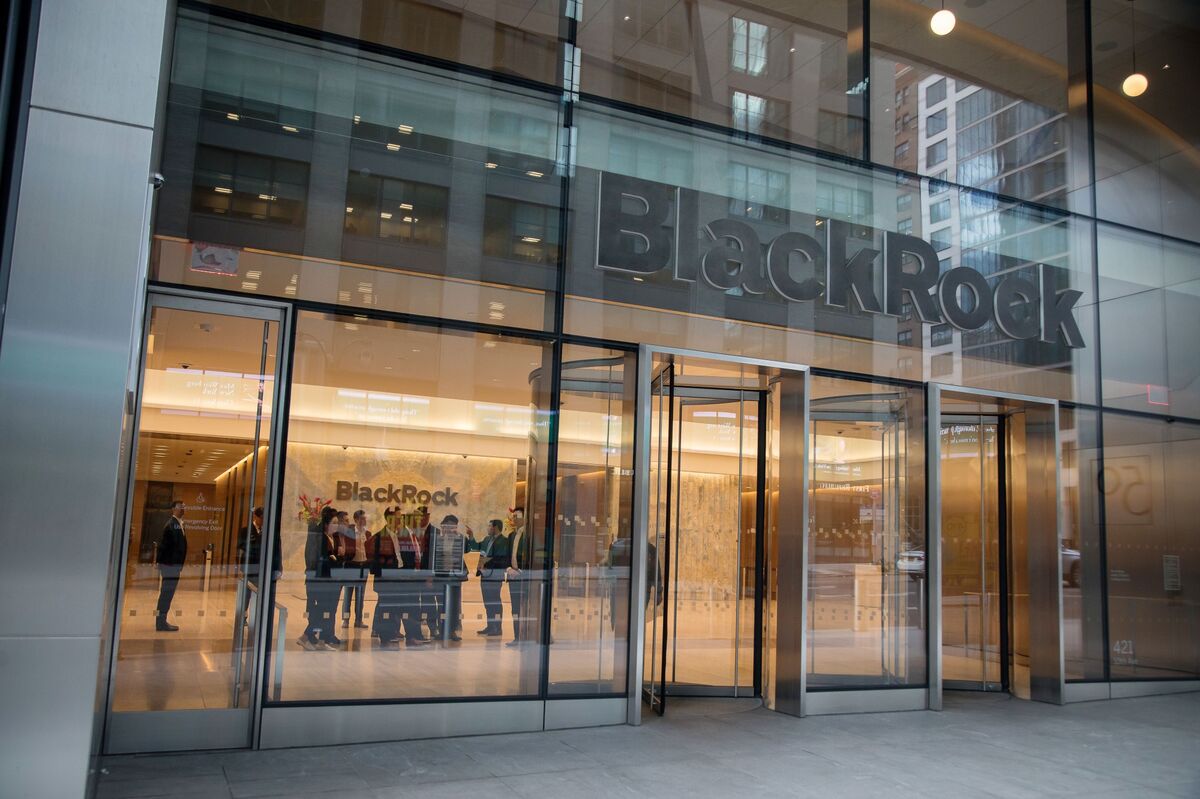

BlackRock Ventures into Stablecoin Market with New Money-Market Funds
Asset Management Giant Eyes Digital Dollar Economy with Groundbreaking Offering
BlackRock Inc., the world’s largest asset manager with over $10 trillion in assets under management, is making a bold move into the digital finance space. The firm is preparing to launch two new money-market funds specifically designed for investors who prefer holding cash in stablecoins rather than traditional bank accounts. This strategic pivot signals BlackRock’s growing confidence in the long-term viability of the digital-dollar economy—a sector that has rapidly evolved from a niche crypto experiment into a mainstream financial alternative.
The planned funds, which will cater to institutional and high-net-worth investors, underscore BlackRock’s belief that stablecoins—cryptocurrencies pegged to fiat currencies like the U.S. dollar—are here to stay. By bridging the gap between conventional finance and blockchain-based assets, the firm is positioning itself at the forefront of a financial revolution that could redefine how capital is stored and moved globally.
Why Stablecoins? The Rise of a Digital Cash Alternative
Stablecoins have surged in popularity over the past decade, offering the speed and transparency of blockchain technology while mitigating the extreme volatility seen in cryptocurrencies like Bitcoin. Major stablecoins such as Tether (USDT) and USD Coin (USDC) now collectively hold over $160 billion in market capitalization, serving as a preferred medium for traders, businesses, and even remittance users.
BlackRock’s entry into this space is particularly significant because it validates stablecoins as more than just speculative tools—they are increasingly viewed as functional alternatives to traditional banking. The new funds will likely invest in short-term, high-quality debt instruments, much like conventional money-market funds, but with the added flexibility of blockchain-based settlement.
This development comes amid heightened regulatory scrutiny of stablecoins, particularly in the U.S., where lawmakers have debated stricter oversight following high-profile collapses like TerraUSD in 2022. BlackRock’s involvement could lend credibility to the sector, potentially accelerating institutional adoption.
BlackRock’s Crypto Strategy: A Calculated Expansion
BlackRock has been cautiously expanding its footprint in digital assets for years. Last year, the firm applied for a spot Bitcoin ETF—a move that, if approved, would mark a watershed moment for cryptocurrency integration into mainstream finance. The company has also partnered with Coinbase to offer crypto trading services to institutional clients, further cementing its role as a bridge between Wall Street and blockchain.
The new stablecoin-focused funds align with CEO Larry Fink’s vision of a “tokenized” financial system, where traditional assets like stocks and bonds are digitized on blockchain networks for greater efficiency. In a recent interview, Fink remarked that digital currencies and asset tokenization could “revolutionize finance,” reducing costs and settlement times while improving transparency.
However, BlackRock’s approach remains measured. Unlike some crypto-native firms, the asset manager is not launching its own stablecoin but instead creating investment vehicles that leverage existing digital dollar alternatives. This strategy minimizes regulatory risk while still capturing growth in the sector.
Market Implications: A Boost for Institutional Crypto Adoption
The introduction of stablecoin-based money-market funds could have far-reaching consequences for both traditional finance and the crypto industry. For institutional investors, these funds offer a familiar structure with the added benefits of blockchain—near-instant settlements, 24/7 availability, and potentially higher yields compared to traditional cash equivalents.
For the crypto market, BlackRock’s endorsement is a major vote of confidence. Many analysts believe that institutional participation is crucial for the long-term stability and growth of digital assets. If successful, these funds could pave the way for more hybrid financial products that merge the best of both worlds.
Yet challenges remain. Regulatory uncertainty, particularly in the U.S., could slow adoption. Additionally, some traditional investors remain wary of stablecoins due to past failures and concerns over reserve transparency. BlackRock’s reputation for rigorous risk management may help alleviate these fears, but widespread trust will take time to build.
The Future of Digital Cash: A Gradual but Inevitable Shift?
BlackRock’s latest move underscores a broader trend: the gradual merging of traditional and digital finance. Central banks worldwide are exploring central bank digital currencies (CBDCs), while corporations like PayPal and Visa are integrating stablecoins into payment systems. The lines between fiat and crypto are blurring, and asset managers are adapting accordingly.
While it’s too early to predict whether stablecoins will fully replace conventional bank deposits, their utility in cross-border transactions, DeFi (decentralized finance), and institutional liquidity management is undeniable. BlackRock’s bet suggests that digital dollars—whether issued by private firms or governments—will play a key role in the future of global finance.
Conclusion: A Strategic Gamble with High Potential Rewards
BlackRock’s foray into stablecoin-based money-market funds is more than just another product launch—it’s a strategic acknowledgment that digital assets are becoming an indispensable part of the financial ecosystem. By offering institutional investors a regulated, familiar way to engage with stablecoins, the firm is positioning itself as a leader in the next wave of financial innovation.
The success of these funds will depend on regulatory developments, market demand, and BlackRock’s ability to navigate the complexities of blockchain integration. But one thing is clear: the era of digital cash is accelerating, and traditional finance giants are no longer spectators—they’re active participants shaping its future.
As the financial landscape continues to evolve, BlackRock’s latest venture may well be remembered as a pivotal moment in the convergence of Wall Street and crypto. Only time will tell if this bet pays off, but for now, the message is unmistakable—the digital dollar economy is here to stay.
