



Hantavirus Outbreak on Cruise Ship Sparks Global Concern, But Experts Downplay Pandemic Risk
Deadly Virus Emerges at Sea, But WHO Assures Limited Transmission Threat
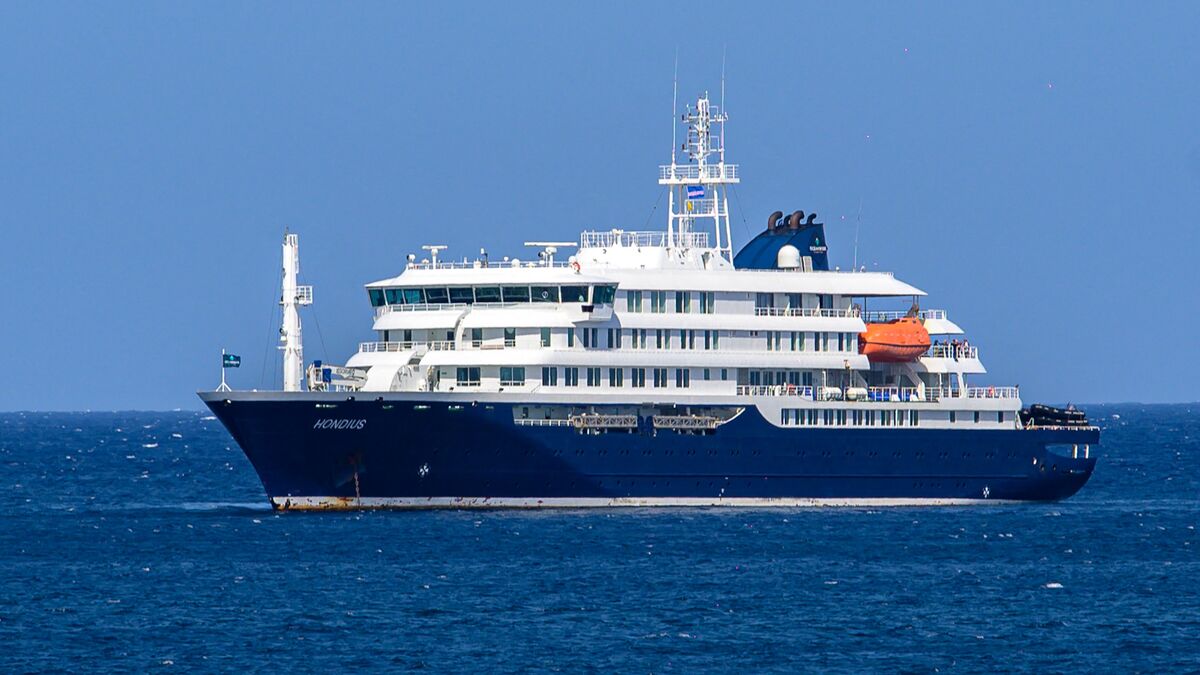
A sudden outbreak of hantavirus on a cruise ship has triggered alarm among passengers and global health observers, raising fears of another potential pandemic. However, the World Health Organization (WHO) has moved swiftly to reassure the public, stating that the virus—while dangerous—does not pose the same rapid transmission risks as COVID-19.
The incident, which occurred aboard an undisclosed vessel, has drawn comparisons to early 2020, when cruise ships became hotspots for coronavirus outbreaks. Yet infectious disease experts emphasize that hantavirus, a rodent-borne pathogen, behaves very differently from respiratory viruses. Unlike SARS-CoV-2, which spreads easily between humans, hantavirus primarily infects people through contact with rodent droppings, urine, or saliva—making large-scale human-to-human transmission unlikely.
Still, the outbreak has reignited debates about global preparedness for emerging pathogens, particularly in confined environments like cruise liners.
What Is Hantavirus? Understanding the Rare but Deadly Pathogen
Hantavirus is not a new threat. First identified in the 1950s and named after South Korea’s Hantan River, where an early outbreak was documented, the virus causes two severe syndromes: Hantavirus Pulmonary Syndrome (HPS) in the Americas and Hemorrhagic Fever with Renal Syndrome (HFRS) in Europe and Asia.
Symptoms typically appear within one to eight weeks of exposure and may include fever, muscle aches, dizziness, and, in severe cases, respiratory failure or kidney dysfunction. Fatality rates vary but can reach up to 40% for HPS, depending on the strain and speed of treatment.
Unlike airborne viruses, hantavirus spreads when humans inhale aerosolized particles from rodent waste—often in poorly ventilated areas like cabins, storage rooms, or rural campsites. This mode of transmission makes outbreaks highly localized rather than pandemic-prone.
How Did the Cruise Ship Outbreak Happen?
While details remain scarce due to ongoing investigations, preliminary reports suggest that infected rodents may have boarded the ship via cargo or food supplies. Once on board, they likely nested in hidden compartments, contaminating surfaces with their excrement. Passengers or crew who cleaned or disturbed these areas without proper protection may have inhaled the virus.
The cruise industry, still recovering from COVID-era shutdowns, now faces renewed scrutiny over hygiene protocols. “This is a wake-up call,” said Dr. Maria Van Kerkhove, WHO’s technical lead for emerging diseases. “Even rare pathogens must be taken seriously in high-density environments.”
Global Health Response: WHO Urges Caution, Not Panic
WHO officials have stressed that while hantavirus is dangerous, it lacks the pandemic potential of respiratory viruses like influenza or COVID-19. “This is not the next big global threat,” said Dr. Ashish Jha, former White House COVID-19 Response Coordinator, in an interview with Bloomberg. “But it’s a reminder that zoonotic diseases—those jumping from animals to humans—require constant vigilance.”
The organization has advised cruise operators to enhance rodent control measures, improve sanitation, and train staff in early symptom recognition. Affected passengers are being monitored, though no mass quarantines have been imposed—a stark contrast to the sweeping lockdowns seen during COVID-19.
Broader Implications: Are We Prepared for the Next Outbreak?
The hantavirus scare arrives as global health agencies reassess pandemic preparedness following COVID-19. While much attention has focused on respiratory viruses, experts warn that other zoonotic threats—from Ebola to Nipah virus—could emerge unpredictably.
“The world got lucky with hantavirus this time,” said Dr. Jeremy Farrar, chief scientist at WHO. “But we can’t assume every outbreak will be so contained. Surveillance and rapid response systems must be strengthened.”
Cruise lines, meanwhile, are under pressure to adopt stricter pest control policies. Some companies have already announced plans to implement infrared scanners for rodent detection and mandatory waste disposal audits.
Conclusion: A Narrow Escape, But a Warning for the Future
While the cruise ship hantavirus outbreak has been contained without sparking a wider crisis, it underscores the persistent threat of zoonotic diseases in an interconnected world. For now, health authorities remain confident that this incident will not escalate—but as history has shown, complacency is the real danger.
As Dr. Jha succinctly put it: “The lesson isn’t to fear every new virus, but to respect the ones we know—and prepare for the ones we don’t.”
