



Russia Expands Shadow Fleet as LNG Tanker Linked to Sanctioned Project Sparks Concerns
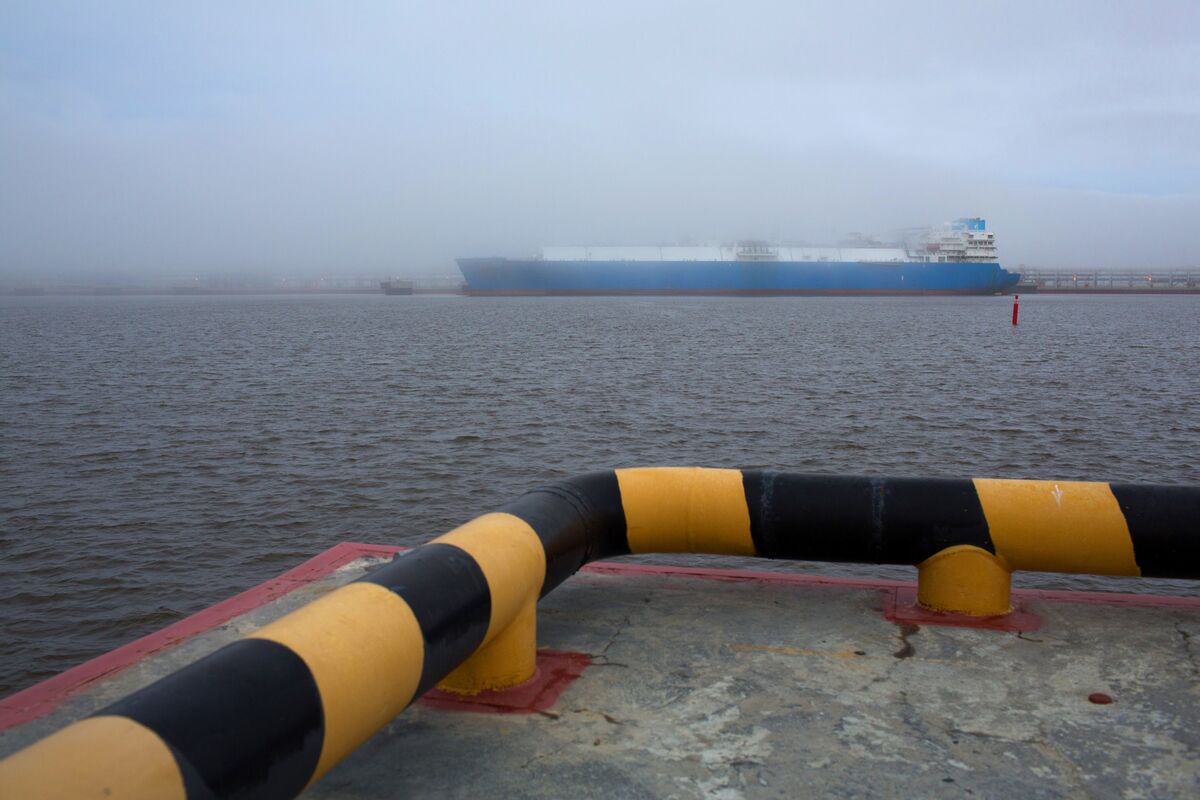
In a bold maneuver underscoring Moscow’s defiance of Western sanctions, a liquefied natural gas (LNG) tanker that recently reflagged to Russia has been observed loading fuel from a US-sanctioned Arctic project. The incident highlights Russia’s growing reliance on a clandestine “dark fleet” to evade international restrictions and maintain its energy exports amid escalating geopolitical tensions. This latest development not only raises questions about the efficacy of global sanctions but also signals Russia’s determination to sustain its critical energy revenue streams despite mounting economic pressures.
The tanker in question, reportedly operating under a Russian flag, was spotted loading LNG from the Arctic LNG 2 project, a massive venture led by Russian energy giant Novatek. The project, which has been under US sanctions since September 2023, aims to bolster Russia’s position as a dominant player in the global LNG market. However, its inclusion on the sanctions list was intended to curb Moscow’s ability to finance and operate such infrastructure, limiting its access to international markets and technologies.
Observers note that the tanker’s recent reflagging to Russia is a strategic move to bypass Western restrictions. By operating under a Russian flag, the vessel is less vulnerable to seizure or scrutiny by international authorities. This tactic aligns with Russia’s broader strategy of assembling a shadow fleet of tankers to transport oil and gas, often through opaque transactions and complex logistical networks. These vessels, often older and less regulated, have become a linchpin in Moscow’s efforts to circumvent sanctions and maintain its energy exports.
The Rise of Russia’s Dark Fleet
The concept of a “dark fleet” is not new in the maritime industry. Historically, such fleets have been used by countries and entities to evade sanctions, transport illicit goods, or obscure the origins of cargo. For Russia, the creation of a shadow fleet became a necessity following its invasion of Ukraine in February 2022, which prompted unprecedented Western sanctions targeting its energy sector.
The European Union, the United States, and their allies have imposed a series of measures aimed at crippling Russia’s ability to profit from its vast energy reserves. These include price caps on Russian oil, bans on the import of Russian crude, and restrictions on the use of Western shipping services. However, Moscow has responded by ramping up its use of dark fleet tankers, often reflagging vessels to jurisdictions with lax regulatory oversight or leveraging intermediaries to obscure ownership.
According to maritime analysts, Russia’s dark fleet now comprises hundreds of tankers, many of which are operating in breach of international sanctions. These vessels often lack proper insurance, employ substandard safety practices, and engage in deceptive practices such as turning off transponders to avoid detection. The use of such tactics has raised alarms among Western policymakers and maritime authorities, who warn of the risks posed to global energy markets and maritime safety.
The Arctic LNG 2 Project: A Flashpoint in the Energy War
The Arctic LNG 2 project, located on the Gydan Peninsula in northern Russia, is central to Moscow’s ambitions to dominate the global LNG market. With an estimated production capacity of 19.8 million metric tons per year, the project is designed to capitalize on burgeoning global demand for natural gas, particularly in Asia.
However, its development has been hampered by sanctions targeting Novatek, Russia’s largest independent natural gas producer, and its foreign partners. Sanctions have restricted access to cutting-edge technologies, financing, and international expertise, delaying construction and increasing costs. Despite these challenges, Novatek has pressed ahead with the project, leveraging domestic resources and partnerships with non-Western entities.
The involvement of the reflagged LNG tanker in the Arctic LNG 2 project underscores Russia’s determination to keep the venture operational. By using dark fleet vessels, Moscow can continue exporting LNG from the Arctic without relying on Western shipping companies or insurers. This strategy allows Russia to sidestep sanctions while maintaining its position as a key supplier to energy-hungry markets in China, India, and beyond.
Global Implications and Challenges
The emergence of Russia’s dark fleet poses significant challenges for the international community. While sanctions have succeeded in limiting Moscow’s access to Western markets and technologies, they have not entirely halted Russia’s energy exports. Instead, Russia has adapted by redirecting its trade flows to Asia and leveraging its shadow fleet to circumvent restrictions.
This dynamic has created a complex geopolitical landscape. On one hand, Western nations are grappling with the limits of their sanctions regimes, which rely heavily on the cooperation of third-party countries and private entities. On the other hand, Russia’s ability to sustain its energy exports has bolstered its economic resilience, providing the Kremlin with crucial revenue to fund its war effort in Ukraine.
Moreover, the use of dark fleet vessels raises serious concerns about maritime safety and environmental risks. Many of these tankers are old, poorly maintained, and operate without adequate insurance. In the event of an accident, such as a spill or collision, the consequences could be catastrophic, particularly in ecologically sensitive regions like the Arctic.
Looking Ahead
As Russia continues to expand its dark fleet, the international community faces a daunting task in addressing the loopholes that enable such activities. Strengthening sanctions enforcement, enhancing maritime surveillance, and fostering greater international cooperation will be critical in curbing Moscow’s ability to circumvent restrictions.
At the same time, the situation underscores the broader challenges of relying on sanctions as a tool of geopolitical strategy. While they can impose significant economic costs, their effectiveness ultimately depends on the willingness of global actors to comply and adapt. For Russia, the creation of a shadow fleet represents a calculated response to these pressures, highlighting the Kremlin’s resilience and resourcefulness in navigating a hostile international environment.
As the global energy landscape continues to evolve, the tug-of-war between Western sanctions and Russia’s shadow fleet will likely remain a defining feature of the geopolitical arena. Whether this strategy proves sustainable in the long term remains to be seen, but for now, Moscow’s dark fleet sails on, undeterred by the stormy waters of international scrutiny.
