


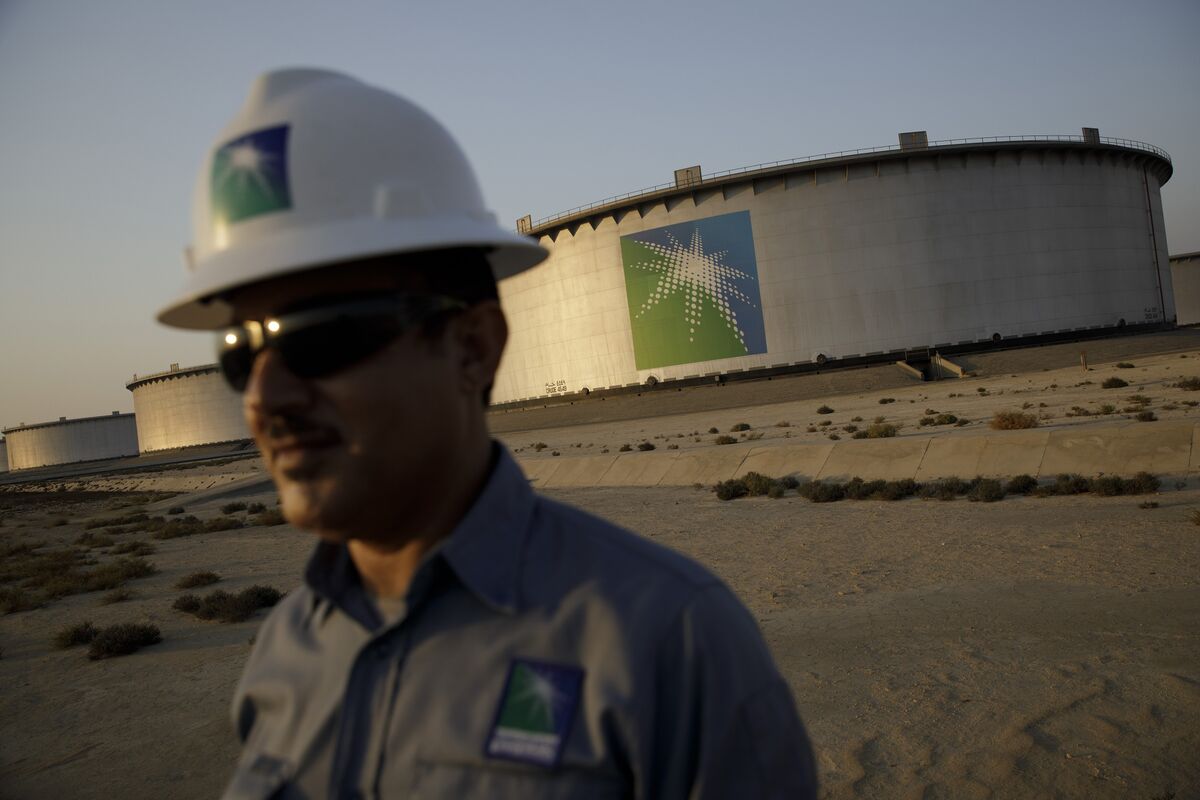

Saudi Aramco Reports Record First-Quarter Profits Amid Global Oil Price Surge
In a testament to the resilience of the global energy sector, Saudi Aramco, the world’s largest oil producer, has unveiled staggering first-quarter profits that far exceeded market expectations. The state-owned giant announced a net income of $39.5 billion for the first three months of 2023, a figure that underscores the profound impact of geopolitical tensions and heightened global energy demand on oil prices. This remarkable performance highlights Aramco’s pivotal role in stabilizing energy markets while reaping the rewards of a volatile yet lucrative environment.
War-Induced Price Surges Fuel Record Earnings
The surge in Aramco’s profits can be attributed largely to the escalation of global oil prices, which have remained elevated since Russia’s invasion of Ukraine in February 2022. The conflict disrupted supply chains, triggered sanctions on Russian energy exports, and spurred fears of a global energy crisis. As a result, benchmark Brent crude prices averaged around $82 per barrel during the first quarter of 2023, significantly higher than pre-war levels. This upward trend in oil prices has been compounded by OPEC+ production cuts, including Saudi Arabia’s voluntary reduction of 500,000 barrels per day, which Aramco has dutifully implemented.
Aramco’s diversified portfolio, which spans crude oil production, refining, and petrochemicals, has also benefited from rising prices for refined fuels such as diesel and gasoline. These products have seen increased demand as economies recover from the pandemic and industrial activity rebounds globally. The company’s strategic investments in refining and chemical operations have further cushioned it against market fluctuations, allowing it to capitalize on both upstream and downstream opportunities.
Aramco’s Role in Global Energy Stability
As the backbone of Saudi Arabia’s economy and a key player in global energy markets, Aramco’s performance has far-reaching implications. The company’s ability to generate such robust profits amid geopolitical uncertainties underscores its operational efficiency and strategic foresight. Saudi Arabia, which relies heavily on oil revenues to fund its ambitious Vision 2030 economic diversification plan, views Aramco’s success as critical to achieving its long-term goals. The kingdom has been channeling a portion of Aramco’s profits into sectors such as tourism, technology, and renewable energy, aiming to reduce its dependence on oil while maintaining its leadership in the global energy landscape.
Aramco’s earnings also reflect its capacity to navigate complex market dynamics. Unlike many Western oil majors, which have faced pressure to transition rapidly to renewable energy, Aramco has maintained a balanced approach. The company has invested in carbon capture technologies and hydrogen projects while continuing to prioritize oil production. This dual strategy has allowed Aramco to meet immediate energy needs while positioning itself as a leader in the global energy transition.
Analysts React to Earnings Beat
Aramco’s first-quarter profits surpassed analysts’ expectations, which had forecasted a net income of around $38 billion. The outperformance has drawn attention from financial markets, with many analysts praising the company’s ability to maximize returns in a high-price environment. “Aramco’s results are a testament to the resilience of the oil sector and Saudi Arabia’s strategic positioning in global energy markets,” said John Kilduff, a partner at Again Capital LLC. “The company’s integrated operations and focus on cost efficiency have allowed it to thrive despite ongoing geopolitical and economic challenges.”
However, some analysts have cautioned that Aramco’s reliance on oil revenues exposes it to risks associated with fluctuating prices and the global shift toward renewable energy. As governments worldwide accelerate their decarbonization efforts, the long-term demand for fossil fuels remains uncertain. Aramco’s ability to adapt to these evolving trends will be critical to sustaining its performance in the coming years.
Saudi Arabia’s Strategic Vision
Saudi Arabia’s leadership has long viewed Aramco as a cornerstone of its economic strategy. The company’s 2019 initial public offering (IPO), which raised $29.4 billion, was a landmark event that underscored the kingdom’s commitment to opening its economy to foreign investment. Since then, Aramco has continued to attract investors with its consistent dividend payouts and strong financial performance.
The kingdom’s Vision 2030 plan, spearheaded by Crown Prince Mohammed bin Salman, aims to transform Saudi Arabia into a global hub for trade, innovation, and tourism. Aramco’s profits play a crucial role in funding this vision, enabling the government to invest in infrastructure, education, and diversification initiatives. However, the plan also envisions a gradual reduction in oil dependence, raising questions about Aramco’s future role in the Saudi economy.
Balancing Profitability and Sustainability
Aramco’s record earnings come at a time when the global energy industry is grappling with the dual challenges of meeting immediate demand and addressing long-term climate goals. The company has sought to strike a balance between these competing priorities by investing in technologies that reduce its carbon footprint. Aramco’s commitment to achieving net-zero emissions by 2050 aligns with Saudi Arabia’s broader climate objectives, but critics argue that more aggressive action is needed to mitigate the environmental impact of fossil fuels.
The company’s downstream investments, including its participation in hydrogen and renewable energy projects, signal a willingness to adapt to changing market dynamics. However, Aramco’s core business remains firmly rooted in oil production, highlighting the complexities of transitioning to a low-carbon economy.
A Global Energy Giant at a Crossroads
As Saudi Aramco continues to generate unprecedented profits, it faces a critical juncture in its evolution. The company’s ability to navigate geopolitical uncertainties, capitalize on market opportunities, and transition toward sustainability will shape its trajectory in the coming decades. While its first-quarter performance underscores its resilience and strategic acumen, the long-term outlook remains intertwined with global energy trends and climate imperatives.
In a world increasingly defined by competing priorities, Saudi Aramco stands as both a symbol of the enduring power of oil and a harbinger of the challenges and opportunities that lie ahead for the energy sector. Its journey will be watched closely by investors, policymakers, and industry leaders alike as the world charts a path toward a more sustainable future.
