



Polynesian Dance Brings Cultural Heritage to Life During AAPI Month in Ohio
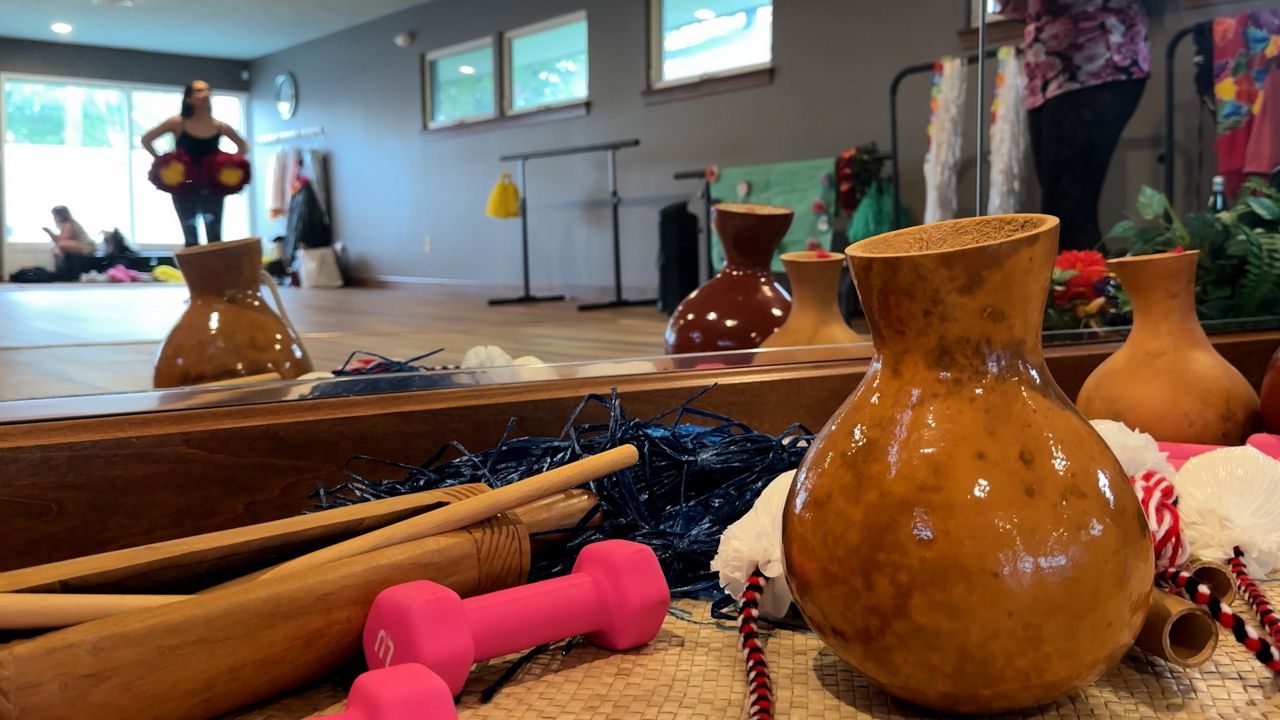
CLEVELAND — At Manivic’s Dance Company in Parma Heights, Ohio, the rhythms of Polynesia come alive. For nearly a decade, Mani Cance has been teaching hula, Tahitian, and other Pacific Islander dances, sharing the rich traditions of her heritage with a growing community in the Northeast Ohio region.
May marks Asian American and Pacific Islander (AAPI) Heritage Month, a time to celebrate the contributions and cultures of these diverse communities. Cance, who moved to Ohio from the Philippines 30 years ago, founded her dance company to preserve and promote the artistry of Pacific Islander cultures.
“I learned hula and other Polynesian dances from Hawaiian-born teachers called Kumu,” Cance explained. “They taught me Samoan, Tongan, Māori, and Filipino dances, which I now share with my students.”
Her efforts are part of a broader cultural movement. According to the Pew Research Center, the Native Hawaiian and Pacific Islander population in the U.S. has more than doubled since 2000. Ohio reflects this trend, with the AAPI population growing by over 54% since 2012. Cuyahoga County, home to Cleveland, hosts one of the state’s largest Native Hawaiian and Pacific Islander communities.
Despite this growth, Pacific Islanders remain a small fraction of the U.S. population, accounting for just 0.5%. Cance believes that dance can bridge cultural gaps and foster understanding.
“Historically, Pacific Islanders didn’t have a written language. They passed down stories and traditions through hula, which means ‘dance,’” she said. “By teaching and performing these dances, we’re keeping that legacy alive and sharing it with others.”
Renee Stevens, a dancer with Manivic’s Dance Company since 2016, grew up in Hawaii before moving to Ohio 21 years ago. For her, the studio is a way to reconnect with her roots.
“I’m Filipina Hawaiian, and dancing hula here helps me stay connected to my heritage,” Stevens said. “It’s a deeply personal journey for me.”
Melissa Marchinchin, another dancer at the studio, comes from Filipino and Sicilian ancestry. As the company prepares for its upcoming performance season, she hopes audiences walk away with a deeper appreciation for Polynesian cultures.
“Our dances tell stories,” Marchinchin said. “They’re a way to experience the diversity and history of Polynesia. I want people to remember the beauty and significance of these traditions.”
For Cance, the mission goes beyond entertainment. She sees dance as a powerful tool for cultural education and representation. During AAPI Heritage Month, her performances aim to shine a light on stories that have often been overlooked.
“We’re not just dancing,” Cance said. “We’re sharing a piece of our identity and history with the world.”
As Manivic’s Dance Company continues to grow, so does its impact. Through the art of dance, Cance and her students are building bridges of understanding, one step at a time.
— Reported by Nexio News
