


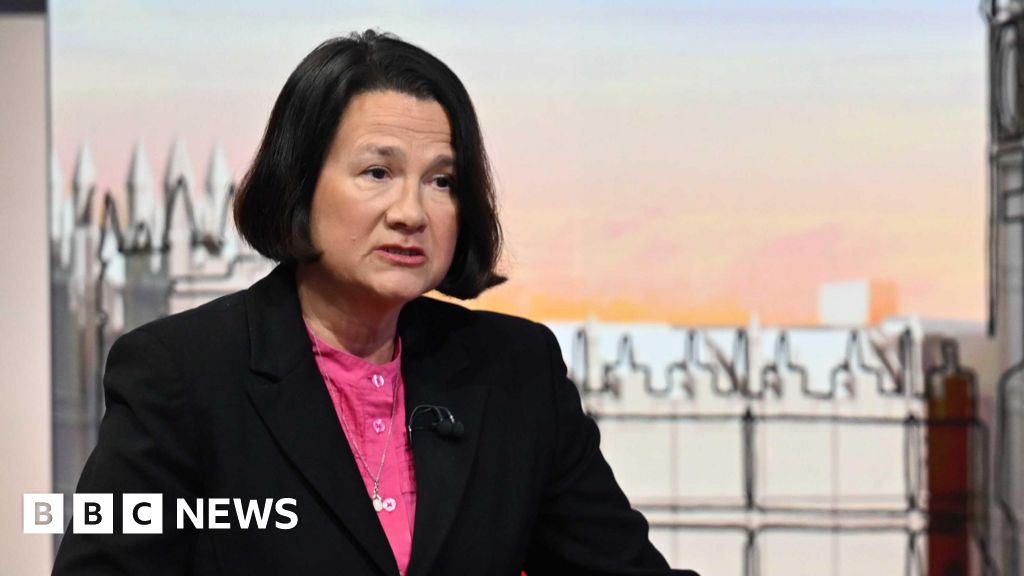

Labour’s Internal Tensions Bubble as Catherine West Eyes Leadership Challenge Against Keir Starmer
LONDON – Tensions within the UK’s Labour Party are escalating as Catherine West, a prominent Member of Parliament, signals her readiness to challenge Keir Starmer’s leadership. Meanwhile, senior minister Bridget Phillipson has thrown her support behind the Prime Minister, urging unity and warning against infighting that could destabilize the party ahead of critical elections.
The brewing conflict highlights deeper fractures within Labour as it navigates a pivotal moment in its political trajectory. With the next general election looming, the party faces mounting pressure to present a cohesive front while addressing internal disagreements over strategy, ideology, and leadership.
West’s Challenge Emerges
Catherine West, the MP for Hornsey and Wood Green, has been a vocal critic of Starmer’s leadership style and policy direction. Though she has not formally launched a leadership bid, her statements suggest a growing dissatisfaction with Starmer’s ability to unify the party and connect with voters.
“The Labour Party must be a voice for all, not just a select few,” West said in a recent statement. “We need bold leadership that inspires confidence and delivers real change for the people of Britain.”
West’s potential challenge reflects concerns among some Labour members that Starmer’s centrist approach risks alienating the party’s more progressive base. Her call for “bold leadership” echoes sentiments expressed by factions within Labour who argue that the party must return to its grassroots, social justice-driven roots to regain electoral momentum.
Phillipson Backs Starmer, Warns Against Division
In contrast to West’s critique, Bridget Phillipson, the Shadow Education Secretary, has firmly aligned herself with Starmer, emphasizing the dangers of internal discord.
“Now is not the time for division,” Phillipson stated during a party event. “Keir Starmer has been steadfast in his commitment to rebuilding Labour’s credibility and presenting a compelling alternative to the Conservative government. We must stand united behind him.”
Phillipson’s remarks underscore the delicate balancing act Labour faces as it seeks to reconcile differing visions for the party’s future. With polls indicating a narrowing lead over the Conservatives, Labour cannot afford prolonged infighting if it hopes to capitalize on public discontent with the current government.
Context and Stakes
The Labour Party has been grappling with internal divisions since the tenure of Jeremy Corbyn, whose leadership polarized the party and contributed to its electoral defeat in 2019. Keir Starmer, who succeeded Corbyn, has sought to reposition Labour as a moderate, pragmatic alternative to both the Conservatives and the more left-wing elements within his own party.
However, Starmer’s strategy has faced criticism from progressives who accuse him of abandoning Labour’s core values in pursuit of electability. Catherine West’s potential challenge is seen as a manifestation of this discontent, raising questions about whether Starmer can maintain his grip on the party amid growing calls for a change in direction.
The stakes are particularly high given the UK’s current political climate. With the Conservative Party embroiled in scandals and facing economic challenges, Labour has an opportunity to make significant gains in the next election. Yet, internal divisions could undermine this momentum, allowing the Conservatives to rally voter support despite their struggles.
Implications for Labour’s Future
The brewing leadership dispute poses significant implications for Labour’s future. If Catherine West formally declares her candidacy, it could trigger a heated contest that exposes deep ideological rifts within the party. Such a scenario risks alienating voters who are looking for a stable, united opposition to the Conservatives.
On the other hand, if Starmer successfully navigates this challenge, he could emerge with a stronger mandate to lead Labour into the next election. However, this would require addressing the concerns of progressive members and demonstrating that his centrist approach can deliver tangible results for voters.
The outcome of this internal struggle will also shape Labour’s policy agenda. A leadership challenge could reignite debates over key issues such as economic inequality, climate change, and public services, forcing the party to clarify its stance on these critical matters.
What Lies Ahead
As Labour prepares for a potential leadership contest, the party must navigate a complex landscape of competing priorities. While Bridget Phillipson’s call for unity highlights the need for cohesion, Catherine West’s challenge underscores the enduring tensions between Labour’s moderate and progressive wings.
The coming weeks will be crucial in determining whether Labour can present a united front in the run-up to the next election. Failure to do so could jeopardize the party’s chances of unseating the Conservatives, leaving Britain’s political trajectory uncertain.
For Keir Starmer, the challenge is clear: to reconcile competing visions within his party while maintaining a focus on the broader goal of winning power. For Catherine West, the question is whether her critique can translate into a viable alternative that resonates with both Labour members and the wider electorate.
As the UK’s political landscape continues to evolve, Labour’s ability to navigate these tensions will have profound implications not only for the party but for the future of British politics as a whole.
