


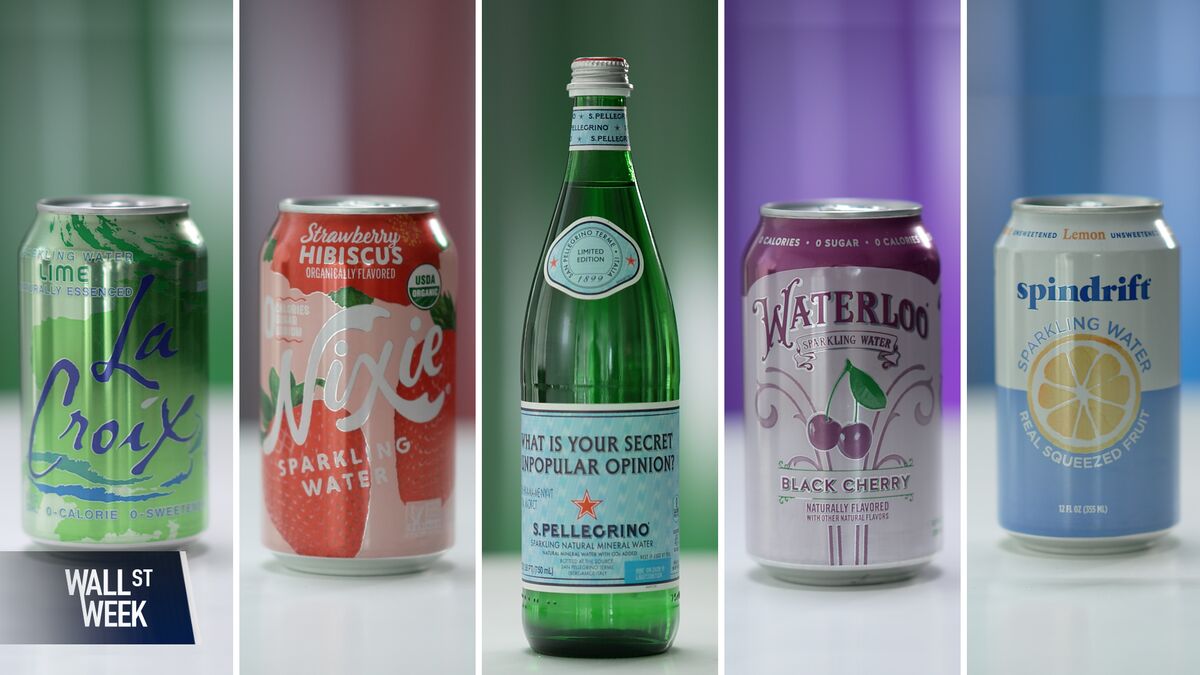

The Sparkling Water Boom: How Zero-Sugar Beverages Are Reshaping the Global Drink Industry
As consumers increasingly prioritize health and wellness, the beverage aisle has become a battlefield of innovation and competition. Rows of sleek cans and bottles, boasting zero sugar and natural flavors, now dominate shelves once reserved for sugary sodas. This transformation is no fleeting trend—it’s a seismic shift in consumer behavior, driven by growing awareness of the health risks associated with sugar-laden drinks. Sparkling water, once a niche category, has surged into the mainstream, becoming a $30 billion global industry and showing no signs of slowing down.
Behind the effervescent surface lies a story of ambition, innovation, and fierce competition. Brands like Spindrift and Nixie are vying for dominance in a crowded market, while investors are betting on the suppliers fueling this boom rather than individual labels. This isn’t just a battle for market share; it’s a reimagining of how the world drinks.
The Rise of a Healthier Alternative
The origins of the sparkling water revolution can be traced back to the early 2010s, when concerns about obesity, diabetes, and other health issues linked to sugar consumption began to dominate public discourse. Governments around the world introduced sugar taxes, and health organizations launched campaigns warning against the dangers of sugary beverages. In 2016, the World Health Organization (WHO) called for a reduction in free sugars to less than 10% of total energy intake, further fueling the shift toward healthier alternatives.
Enter sparkling water. The category, which includes both flavored and unflavored varieties, offered a refreshing, calorie-free alternative to traditional sodas. Early pioneers like LaCroix and Perrier laid the groundwork, but the explosion of startups and niche brands in recent years has transformed the market. Today, companies like Spindrift, Nixie, and Liquid Death are not just competing with each other—they’re challenging the dominance of Coca-Cola and PepsiCo, whose soda sales have been in decline for years.
The Players Driving the Boom
Spindrift, founded in 2010, has emerged as one of the standout brands in the sparkling water space. Known for its use of real fruit juice and natural ingredients, the company has carved out a niche in the premium segment. According to CEO Bill Creelman, Spindrift is on a clear path to reaching $1 billion in sales, a testament to its growing popularity among health-conscious consumers.
Nixie, on the other hand, has positioned itself as the go-to brand for flavor enthusiasts. Founded in 2019, the company offers a wide range of bold, fruit-forward flavors that cater to a younger, more adventurous demographic. Its founder, Kristina Jorge, emphasizes that taste is everything in a market where differentiation is key.
Meanwhile, Liquid Death has taken a different approach, marketing its sparkling water as a punk rock alternative to traditional brands. With edgy packaging and a focus on sustainability—its cans are 100% recyclable—the company has cultivated a loyal following, proving that branding can be as important as the product itself.
The Supply Chain: Where the Smart Money Lies
While the spotlight often falls on the brands themselves, industry insiders argue that the real opportunity lies in the companies supplying these startups. From flavoring agents to carbonation technology, suppliers are the unsung heroes of the sparkling water boom.
John Aguilar, a venture investor specializing in the beverage industry, notes that investing in suppliers offers a more diversified and less risky bet than backing individual brands. “The smartest money isn’t on any one brand,” he says. “It’s on the companies that supply them all.”
One such supplier is Flavorman, a Kentucky-based company that specializes in beverage development. Its CEO, David Dafoe, has seen a significant uptick in demand from sparkling water brands seeking innovative flavor profiles. Similarly, companies like Praxair and Air Products, which provide carbonation technology, have benefited from the category’s growth.
Challenges Ahead
Despite its rapid ascent, the sparkling water industry faces challenges. Critics argue that the category’s environmental impact, particularly the use of aluminum cans and plastic bottles, undermines its health-focused ethos. Brands are increasingly addressing these concerns, with many opting for sustainable packaging and carbon-neutral production processes.
Competition is another hurdle. With hundreds of brands vying for shelf space, differentiation has become increasingly difficult. Some companies are turning to unconventional strategies, such as Liquid Death’s irreverent marketing, to stand out. Others are focusing on niche markets, offering products tailored to specific dietary needs or cultural preferences.
The global nature of the market also presents challenges. While sparkling water is popular in North America and Europe, other regions have been slower to embrace the trend. Companies eyeing international expansion must navigate varying tastes, regulations, and consumer habits—a complex task in an already crowded market.
The Future of Sparkling Water
Analysts predict that the sparkling water industry will continue to grow, driven by ongoing consumer demand for healthier options and continuous product innovation. The category is expected to expand beyond traditional beverages, with sparkling drinks incorporating functional ingredients like probiotics, adaptogens, and vitamins gaining traction.
At the same time, the industry is likely to see consolidation as larger players acquire smaller brands to bolster their portfolios. Coca-Cola’s acquisition of Topo Chico and PepsiCo’s purchase of SodaStream are early examples of this trend, and more deals are expected as the market matures.
For consumers, the rise of sparkling water represents a win-win: a tasty, refreshing beverage that aligns with their health goals. For the industry, it’s a reminder that even in a crowded market, there’s always room for innovation—and that sometimes, the bubbles point the way forward.
As the global beverage landscape continues to evolve, one thing is clear: sparkling water is no longer just a passing fad—it’s a staple of modern consumption. Whether it’s the allure of zero sugar, the appeal of natural flavors, or the promise of sustainability, the industry’s effervescence shows no signs of fading.
