



Iran’s Response to U.S. Proposal Sparks Congressional Concerns Over Lack of Transparency
Global leaders weigh in as diplomatic tensions rise amid ongoing nuclear negotiations
In a development that has reignited debates over diplomatic transparency and congressional oversight, Iran has reportedly submitted a response to a U.S. proposal on its nuclear program via Pakistan, bypassing traditional diplomatic channels. The move has drawn sharp criticism from U.S. lawmakers, who accuse the Biden administration of failing to adequately consult Congress or provide timely updates on the escalating situation. The controversy comes at a critical juncture in U.S.-Iran relations, with the specter of a nuclear-armed Iran looming large over global security.
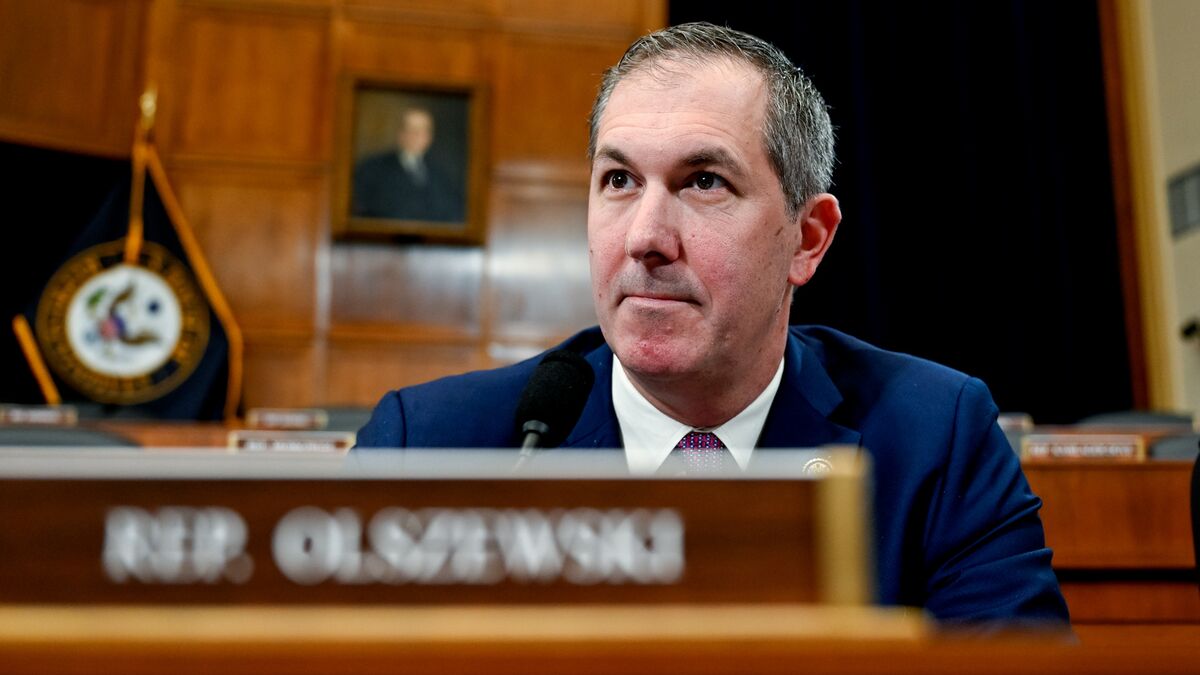
Representative Johnny Olszewski (D-MD), speaking on Bloomberg This Weekend with hosts David Gura and Christina Ruffini, voiced deep concern over the administration’s handling of the matter. “The lack of transparency and consultation with Congress is deeply troubling,” Olszewski stated. “We’re not receiving real-time updates or opportunities for public hearings on an issue that has profound implications for national and international security.” His comments reflect a growing sentiment among lawmakers from both parties, who argue that Congress has been sidelined in one of the most consequential diplomatic efforts of the decade.
The Diplomatic Backdrop
The Biden administration has sought to revive the Joint Comprehensive Plan of Action (JCPOA), commonly known as the Iran nuclear deal, since taking office in 2021. The original agreement, brokered in 2015 by the Obama administration, aimed to curb Iran’s nuclear capabilities in exchange for easing economic sanctions. However, the deal unraveled in 2018 when then-President Donald Trump withdrew the U.S. and reimposed stringent sanctions on Iran. Since then, Tehran has escalated its uranium enrichment activities, bringing it closer to the threshold of developing nuclear weapons.
Efforts to revive the JCPOA have been fraught with challenges, including Iran’s insistence on guarantees that future U.S. administrations will honor the deal and the Biden administration’s demand for stricter enforcement mechanisms. The recent submission of Iran’s response via Pakistan has added another layer of complexity to the negotiations. While the contents of the response remain undisclosed, experts speculate that it may outline Tehran’s conditions for returning to compliance with the agreement.
Concerns Over Diplomatic Channels
The decision to route Iran’s response through Pakistan has raised eyebrows among policymakers and analysts. Traditionally, such communications are conducted through direct channels or intermediaries like Switzerland, which represents U.S. interests in Iran in the absence of formal diplomatic relations. Pakistan’s involvement, while not unprecedented, has fueled speculation about the shifting dynamics of regional diplomacy.
Some analysts suggest that Pakistan’s role may reflect Iran’s desire to engage a neutral party amidst escalating tensions with Western powers. Others view it as a strategic move to bypass traditional diplomatic avenues, particularly as U.S.-Iran relations remain fraught with mistrust. However, the lack of clarity surrounding this decision has only heightened concerns among U.S. lawmakers about the administration’s handling of the negotiations.
Congressional Frustrations Mount
Representative Olszewski’s comments underscore a broader frustration within Congress over the Biden administration’s approach to Iran. Lawmakers have repeatedly called for greater transparency and consultation, emphasizing that any agreement with Iran must undergo rigorous scrutiny to ensure it serves U.S. interests.
“This isn’t just about politics—it’s about ensuring that we have a deal that is enforceable, verifiable, and in the best interest of the American people,” Olszewski remarked. His concerns echo bipartisan calls for the administration to brief Congress on the state of negotiations and provide a clear roadmap for addressing Iran’s nuclear ambitions.
The lack of public hearings or detailed briefings has left many lawmakers in the dark, fueling concerns that the administration may be prioritizing expediency over accountability. Critics argue that without congressional oversight, any agreement risks being perceived as illegitimate or unenforceable, undermining its long-term viability.
Global Implications of the Iran-U.S. Standoff
The ongoing negotiations have far-reaching implications for global security and geopolitics. A revived JCPOA could ease regional tensions and reduce the risk of a nuclear arms race in the Middle East. However, failure to reach an agreement could escalate hostilities, potentially leading to military confrontation or further destabilization of the region.
U.S. allies in Europe and the Middle East are closely monitoring the developments, with many expressing cautious optimism about the prospects for diplomacy. At the same time, regional rivals like Israel and Saudi Arabia remain deeply skeptical of Iran’s intentions, urging the U.S. to adopt a tougher stance.
The Biden administration’s approach has also drawn scrutiny from non-proliferation experts, who warn that any agreement must address Iran’s ballistic missile program and its support for proxy militias across the region. “The nuclear issue is just one piece of the puzzle,” said Dr. Sarah Smith, a Middle East analyst at the Brookings Institution. “Any comprehensive agreement must tackle the broader security challenges posed by Iran’s regional activities.”
Looking Ahead
As negotiations continue, the Biden administration faces mounting pressure to balance diplomatic imperatives with domestic political realities. The White House has yet to publicly address the concerns raised by Representative Olszewski and other lawmakers, leaving questions unanswered about the administration’s strategy and timeline.
For now, the focus remains on the contents of Iran’s response and the willingness of both sides to compromise. While the path to a revived JCPOA remains uncertain, one thing is clear: the stakes could not be higher. As the world watches, the delicate dance of diplomacy will determine whether a peaceful resolution is possible—or whether the U.S. and Iran are destined for further confrontation.
In a global landscape increasingly defined by uncertainty, the fate of U.S.-Iran relations serves as a stark reminder of the challenges and complexities of modern diplomacy. Whether this latest development marks a step forward or a missed opportunity remains to be seen.
