


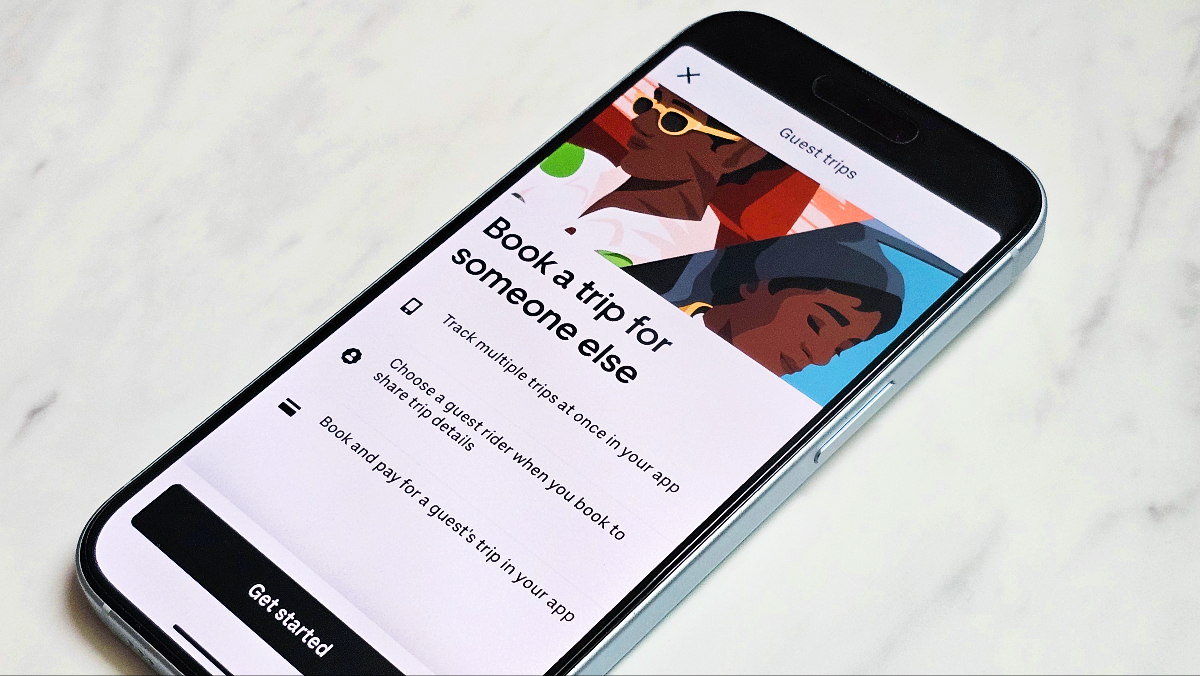

Uber Aims to Dominate the Super App Race with Expansive New Features
In a bold move to transform its platform into a one-stop shop for consumers, Uber has unveiled a series of ambitious updates that could redefine how people interact with technology in their daily lives. From booking hotels and vacation rentals to ordering groceries and reserving restaurant tables, the ride-hailing giant is betting big on its vision to become a global “super app.” This push comes at a critical juncture for the company, as competitors like Waymo and Airbnb accelerate their own efforts to dominate the future of transportation and hospitality. With rising stakes in the autonomous vehicle (AV) industry and heightened competition in digital services, Uber’s latest announcements signal its determination to stay ahead of the curve.
The Evolution of Uber’s Super App Strategy
Uber’s journey toward becoming a super app has been years in the making. Since at least 2019, executives have floated the idea of expanding the company’s offerings beyond ride-hailing and food delivery. However, recent advancements in technology and shifts in consumer behavior have injected a sense of urgency into this vision. Two weeks ago, at its annual GO-GET product event in New York, the company unveiled a game-changing partnership with Expedia Group, enabling U.S. users to book over 700,000 hotels directly through the Uber app.
For Uber One members—the company’s subscription service priced at $9.99 per month—the perks are substantial. Subscribers gain access to exclusive discounts, including 20% off a rotating list of 10,000 hotels and 10% back in credits. Later this year, Uber plans to introduce vacation rentals via Vrbo and restaurant reservations through OpenTable, further cementing its foothold in the hospitality sector. Adding to its versatility, Uber is also launching a “Shop for Me” feature, allowing users to order from stores not traditionally listed on the platform. Together, these updates paint a vivid picture of Uber’s aspirations: to become the app consumers rely on for nearly everything.
Membership as the Linchpin
At the heart of Uber’s strategy lies its subscription service, Uber One. Praveen Neppalli Naga, Uber’s Chief Technology Officer, articulated this vision at TechCrunch’s StrictlyVC event in San Francisco last month. Drawing inspiration from successful super apps in India and Southeast Asia, Naga emphasized the importance of creating a seamless user experience that integrates multiple services into a cohesive ecosystem. “I take Uber, go to the airport, take a flight, take another Uber, go to a hotel, go to a restaurant,” he explained. “There is a flow you can actually build into it.”
Membership, Naga argued, is the glue that binds these services together. Every new category—whether it’s food, groceries, or hotels—offers users another compelling reason to subscribe to Uber One. While flights are not yet part of the equation, Naga hinted that they could be on the horizon. Uber previously experimented with flight booking in Europe but abandoned the effort due to lackluster results. “First let’s get the hotel things done,” he said. Financial services may also be in the pipeline, given Uber’s existing debit card offerings for drivers in Mexico.
A Crowded Race for Supremacy
Uber is hardly alone in its quest to dominate the super app landscape. Airbnb, arguably its most direct competitor in the hospitality space, recently announced its own transportation ambitions through a partnership with Welcome Pickups. The collaboration offers airport transfers in 125 cities across Asia, Europe, and Latin America, designed to keep users within the Airbnb app rather than redirecting them to Uber.
Meanwhile, Elon Musk’s X (formerly Twitter) is inching closer to its goal of becoming an “everything app” modeled after China’s WeChat. X Money, a banking and payments platform integrated into the social network, is expected to launch publicly soon, leveraging X’s 500 million monthly active users.
The Challenges Ahead
The big question looming over this race is whether the U.S. market can sustain multiple super apps. WeChat thrives in China largely because it filled a void left by a fragmented ecosystem of inferior options. In contrast, American consumers already have a plethora of specialized apps they trust for tasks ranging from food delivery to travel booking. Convincing them to consolidate these activities into a single platform requires either compelling incentives—such as Uber One’s discounts—or an experience so seamless that switching feels intuitive.
Uber’s strategy hinges on its massive installed user base. With 199 million monthly active users, the company argues that its platform offers unparalleled convenience. Users have already entrusted Uber with their payment details, making it easier to introduce new services without the friction of downloading additional apps. Recent financials bolster this argument: Uber Eats’ delivery revenue grew by 34% year-over-year in the first quarter of 2024, reaching $5.07 billion and nearly matching the company’s ride-hailing business in gross bookings.
However, challenges remain. Uber’s stock is still down approximately 8% from a year ago, reflecting lingering skepticism among investors. While the company has achieved notable milestones—such as surpassing 50 million Uber One subscribers—doubts persist about its ability to sustain growth and fend off formidable competitors.
A Balancing Act
As Uber continues its transformation into a super app, it must navigate a delicate balancing act. On one hand, the company needs to innovate rapidly to stay ahead of rivals and meet evolving consumer demands. On the other, it must ensure that its platform remains user-friendly and coherent, avoiding the pitfalls of overcrowding and complexity that have plagued other super app attempts in the U.S.
Whether Uber can succeed in this ambitious endeavor remains to be seen. For now, the company’s progress suggests that it is well-positioned to shape the future of digital convenience—but the road ahead will be anything but smooth. As the race for super app dominance heats up, one thing is clear: the stakes have never been higher.
