


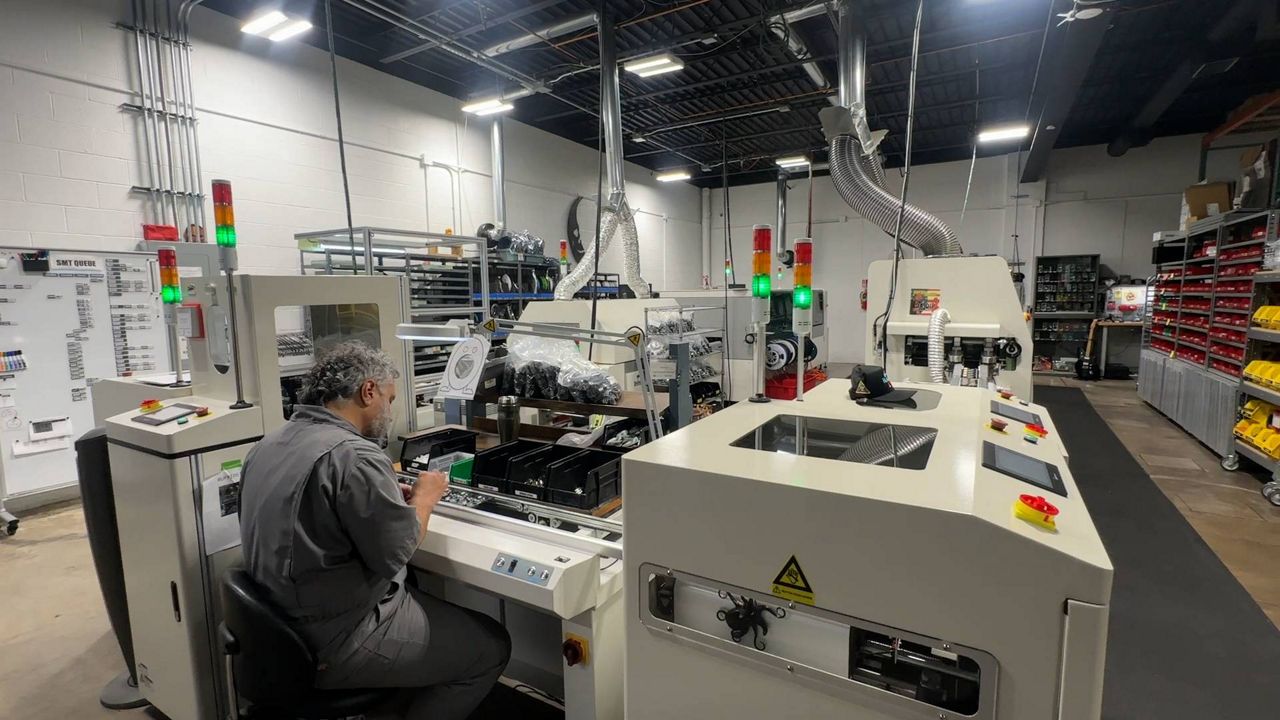

Ohio Guitar Pedal Maker Seeks Refunds After Court Overturns Trump-Era Tariffs
AKRON, Ohio — A small Ohio business specializing in handmade guitar effects pedals may finally recover some of the $100,000 it lost to tariffs after a federal court ruled the Trump administration’s trade policies illegal.
EarthQuaker Devices, based in Akron, has been grappling with inflated costs since tariffs were imposed on imported parts essential to its products. Now, with a recent court decision striking down the 10% global tariff, CEO Julie Robbins hopes to reclaim at least a portion of the funds—though the process won’t be simple.
The Tariff Toll on Small Businesses
Since the tariffs took effect, EarthQuaker has absorbed the extra costs rather than passing them on to musicians. The company relies on over a thousand specialized components sourced globally, many of which became significantly more expensive due to the trade policies.
“We’ve paid over $100,000 in tariffs since last year,” Robbins said. “That’s money we could have used for hiring, new equipment, or community support—instead, it just vanished.”
The financial strain forced tough decisions. Expansion plans stalled, and even routine business forecasting became a challenge. “Something as basic as pricing a new pedal gets complicated when costs keep shifting,” Robbins explained.
A Legal Victory—But Will It Bring Relief?
Last week, the U.S. Court of International Trade declared the tariffs unlawful, following a Supreme Court ruling months earlier that rejected emergency trade measures from the Trump administration. Now, businesses like EarthQuaker can apply for refunds through U.S. Customs and Border Protection.
However, Ohio State University trade expert Ian Sheldon warns that reimbursement isn’t guaranteed—or quick. “Companies must submit detailed documentation, and approvals could take 60 to 90 days,” he said. With roughly 330,000 importers eligible, the system is likely to be backlogged.
For EarthQuaker, another hurdle looms: the company often buys parts through wholesalers, meaning tariffs were baked into supplier invoices rather than paid directly to the government. As a result, refunds may go to distributors first—leaving small manufacturers like Robbins with only a fraction of their losses.
“We might get 10% to 20% back if we’re lucky,” she estimated.
Broader Implications for Trade Policy
The ruling highlights ongoing tensions in U.S. trade policy, with legal battles expected to drag on. For now, businesses remain in limbo, unsure whether future tariffs will be reinstated or scrapped entirely.
Robbins and other small-business owners hope the decision marks a turning point. “This money was taken illegally,” she said. “We just want what’s fair.”
As EarthQuaker continues crafting pedals for musicians worldwide, its fight for reimbursement underscores the real-world impact of trade wars—where small businesses often pay the price.
— Reported by Nexio News
