



JPMorgan Raises South Korean Stock Targets Again, Citing Semiconductor Boom and Governance Reforms
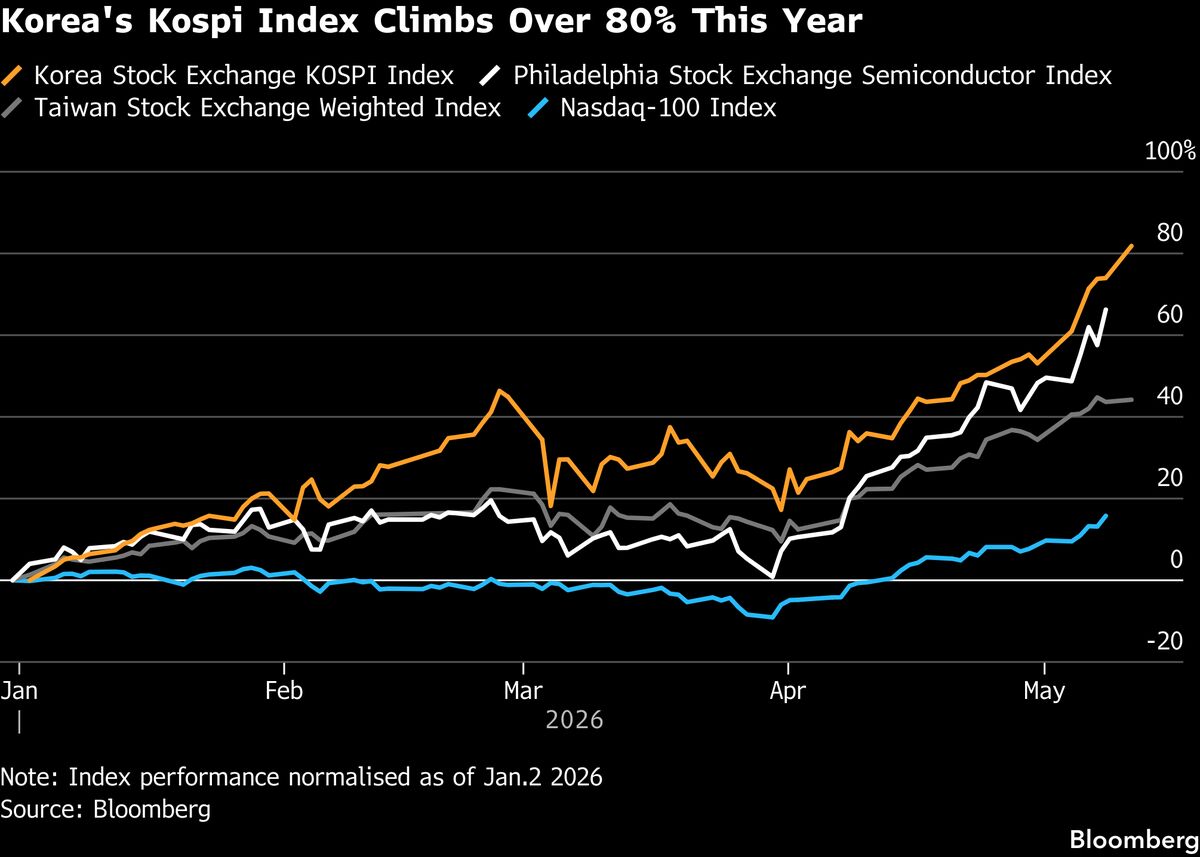
In a bold move that underscores growing confidence in South Korea’s economic prospects, JPMorgan Chase & Co. has upgraded its outlook for the country’s stock market for the second time in less than a month. The Wall Street giant cited a confluence of factors, including a recovering semiconductor cycle, sweeping corporate governance reforms, and robust industrial-sector growth, as reasons for the upward revision. This dual upgrade in such a short timeframe highlights South Korea’s resilience amid global economic uncertainty and its potential to emerge as a key player in the global tech supply chain.
The announcement comes at a pivotal moment for South Korea, a nation long regarded as a bellwether for global trade and technological innovation. With its economy deeply entwined with the fortunes of the semiconductor industry, South Korea has been navigating a challenging macroeconomic environment characterized by fluctuating demand for tech products and geopolitical tensions. However, recent signs of recovery in the semiconductor sector, coupled with progressive policy shifts, have bolstered investor confidence. JPMorgan’s revised targets suggest that the country’s equity market may now be poised for a sustained rally.
The Semiconductor Recovery: A Catalyst for Growth
At the heart of JPMorgan’s optimistic outlook lies the resurgence of the semiconductor industry, which serves as the backbone of South Korea’s export-driven economy. The global chip market, which experienced a downturn in 2022 and early 2023 due to excess inventory and slower demand, is now showing clear signs of stabilization. Industry giants such as Samsung Electronics and SK Hynix, two of South Korea’s largest companies, have reported improving sales and profitability in recent quarters.
According to JPMorgan analysts, the semiconductor cycle has entered a new phase of growth, driven by rising demand for artificial intelligence (AI) technologies, data centers, and electric vehicles (EVs). South Korea, home to some of the world’s leading semiconductor manufacturers, is uniquely positioned to capitalize on these trends. The country’s dominance in memory chip production, coupled with its investments in next-generation technologies, has reinforced its status as a critical hub in the global tech supply chain.
“The semiconductor recovery is more than just a cyclical upturn,” said James Lee, head of Asia equity research at JPMorgan. “It reflects structural shifts in the global economy, with South Korea playing a central role in enabling the AI revolution and the transition to green energy.”
Corporate Governance Reforms: A Game-Changer for Investors
Another key driver of JPMorgan’s bullish stance is South Korea’s ongoing corporate governance reforms, which aim to enhance shareholder value and improve transparency. Historically, South Korea’s corporate landscape has been dominated by family-controlled conglomerates, or chaebols, which have often been criticized for opaque practices and poor returns on investment for minority shareholders.
In recent years, however, the government and regulatory authorities have introduced measures to address these issues. These include stricter oversight of corporate boards, increased penalties for financial misconduct, and incentives for companies to adopt shareholder-friendly policies. The reforms have already begun to yield results, with several major firms announcing plans to increase dividends, buy back shares, and improve board independence.
“The governance reforms are a significant step forward,” said Hana Kim, a Seoul-based financial analyst. “They are not only attracting foreign investors but also encouraging domestic companies to prioritize profitability and shareholder returns.”
JPMorgan noted that these changes have made South Korean equities more attractive to global investors, particularly those seeking exposure to emerging markets with improving corporate standards.
Industrial Growth and Diversification
Beyond semiconductors, South Korea’s industrial sector is also experiencing notable growth, driven by diversification into high-value industries such as renewable energy, biotechnology, and advanced manufacturing. The government has been actively promoting these sectors through strategic investments and policy initiatives, aiming to reduce the economy’s reliance on traditional industries and position South Korea as a leader in the global green transition.
For instance, South Korea’s commitment to achieving carbon neutrality by 2050 has spurred significant investments in renewable energy infrastructure, electric vehicle production, and battery technology. Companies like Hyundai Motor Group and LG Energy Solution have emerged as global leaders in these fields, contributing to the country’s economic momentum.
“South Korea’s industrial diversification is a testament to its adaptability and innovation,” said Park Jong-min, an economist at Seoul National University. “By broadening its economic base, the country is reducing its vulnerability to external shocks and creating new growth opportunities.”
Implications for Investors
JPMorgan’s decision to raise its stock market targets for South Korea reflects a broader reassessment of the country’s investment potential. While geopolitical risks, such as tensions with North Korea and the U.S.-China rivalry, remain concerns, the bank’s analysts believe that the positive fundamentals outweigh these challenges.
For global investors, South Korea offers a compelling mix of growth opportunities, technological leadership, and improving corporate governance. The country’s stock market, which has historically been undervalued compared to its peers, now presents an attractive opportunity for those seeking long-term returns.
“South Korea is undergoing a transformation,” said Michael Thompson, a portfolio manager at a U.S.-based asset management firm. “The combination of a resurgent tech sector, governance reforms, and industrial growth makes it one of the most exciting markets in Asia right now.”
A Balancing Act
While the outlook for South Korea’s economy and stock market appears increasingly positive, challenges remain. The global economic environment remains uncertain, with potential headwinds such as rising interest rates, geopolitical tensions, and fluctuating commodity prices. Additionally, the pace of corporate governance reforms will need to be sustained to maintain investor confidence.
JPMorgan’s repeated upgrades, however, suggest that the bank believes South Korea’s strengths outweigh its risks. As the country continues to leverage its technological prowess and embrace structural reforms, it is likely to remain a focal point for global investors in the months and years ahead.
In a world grappling with uncertainty, South Korea’s story serves as a reminder of the power of innovation and adaptability. Whether the country can sustain its momentum will depend on its ability to navigate both domestic and global challenges—but for now, the signs are encouraging.
