


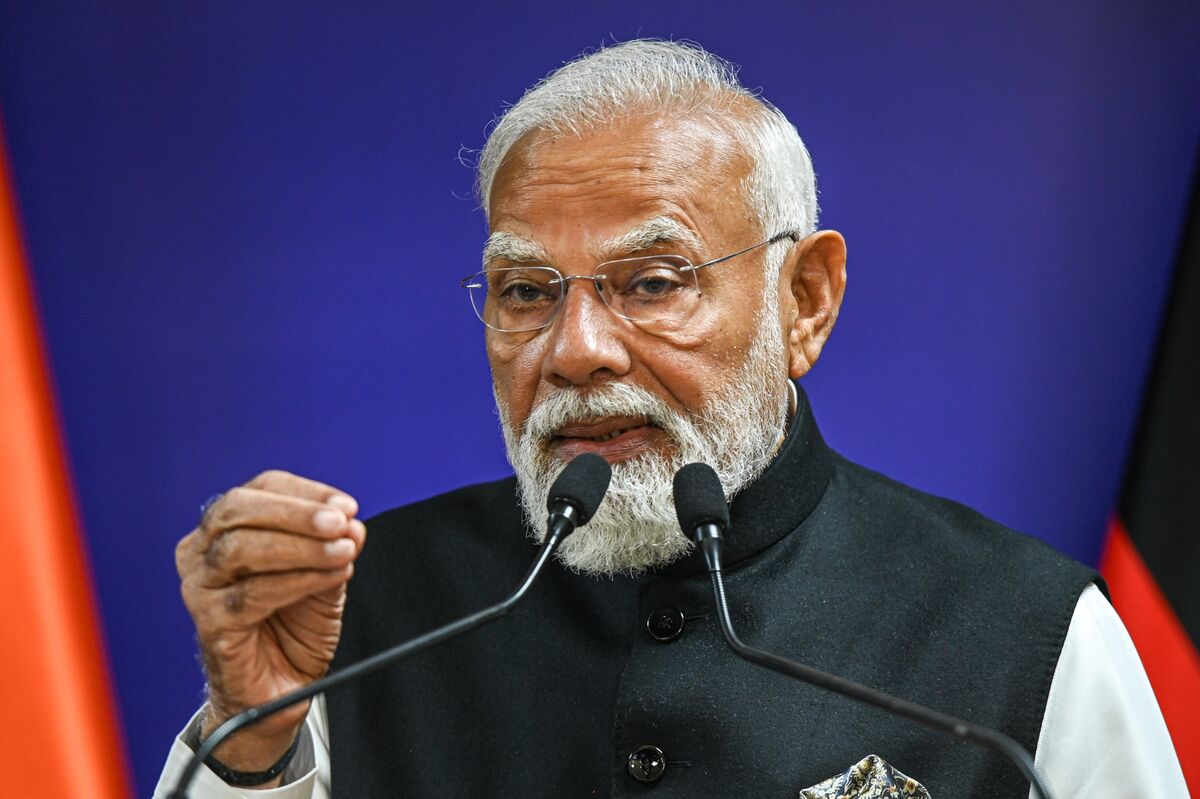

Prime Minister Modi Urges Indians to Curb Gold Purchases Amid Economic Concerns
New Delhi, India — In a striking appeal to the nation, Indian Prime Minister Narendra Modi has called on citizens to refrain from purchasing gold for at least one year, citing the need to preserve the country’s foreign-exchange reserves. The plea, delivered during a national address, has sparked widespread debate and raised eyebrows in a country where gold is deeply embedded in culture, tradition, and personal finance.
The announcement comes at a time when India, the world’s second-largest consumer of gold after China, faces mounting economic pressures. Gold imports, which account for a significant portion of India’s trade deficit, have surged in recent months, putting strain on the nation’s foreign reserves. Modi’s request underscores the government’s broader efforts to stabilize the economy, reduce reliance on imports, and mitigate the impact of global economic uncertainties.
The Cultural and Economic Significance of Gold in India
Gold holds a unique position in Indian society, transcending mere financial value to become a symbol of prosperity, security, and tradition. It is a cornerstone of major life events, from weddings to religious ceremonies, and is often seen as a hedge against inflation and economic instability. For many Indian families, gold is a preferred form of savings, passed down through generations as a tangible asset.
According to the World Gold Council, Indian households collectively hold over 25,000 tons of gold, making it one of the largest private gold reserves globally. This cultural affinity for the metal has historically driven high demand, with India importing nearly 1,000 tons of gold annually. However, this demand comes at a cost: gold imports contribute significantly to the country’s trade deficit, which stood at $31.46 billion in August 2023, up from $27.98 billion the previous month.
The Economic Rationale Behind Modi’s Appeal
Prime Minister Modi’s call to avoid gold purchases is rooted in the broader context of India’s economic challenges. The country’s foreign-exchange reserves, which are critical for stabilizing the rupee and financing imports, have dwindled in recent months. As of September 2023, reserves stood at approximately $600 billion, down from a peak of $642 billion in 2021.
The decline in reserves has been attributed to several factors, including the central bank’s intervention to support the rupee, rising oil prices, and a surge in gold imports. Gold alone accounted for $35.6 billion in imports during the fiscal year 2022-23, making it one of the largest contributors to the trade deficit. By reducing gold consumption, the government aims to ease pressure on reserves and strengthen the rupee against a volatile global currency market.
Modi’s appeal also aligns with broader economic reforms aimed at reducing India’s reliance on imports and promoting domestic alternatives. In recent years, the government has launched initiatives such as the “Make in India” campaign and introduced fiscal measures to curb gold imports, including higher import duties and the promotion of gold monetization schemes. However, these efforts have had limited success in curbing demand, highlighting the deep-rooted cultural and emotional attachment to gold.
Public Reaction and Industry Response
The Prime Minister’s call has elicited mixed reactions from the public and industry stakeholders. While some have welcomed the move as a necessary step to safeguard the economy, others view it as an impractical request that overlooks the cultural significance of gold. Many argue that gold purchases are not discretionary but tied to essential life events, making it difficult to postpone or avoid.
The jewelry industry, which accounts for a significant portion of gold demand, has expressed concern about the potential impact on businesses. India’s gold jewelry market, valued at over $60 billion, supports millions of jobs, from artisans to retailers. Industry leaders have called for a balanced approach, emphasizing the need for government support and incentives to encourage alternative forms of savings.
Economic experts have also weighed in, with some suggesting that Modi’s appeal may have limited impact without structural reforms. “While reducing gold imports can help alleviate short-term pressures, the government needs to address the underlying issues driving gold demand, such as inflation and inadequate financial inclusion,” said Dr. Rajiv Kumar, a senior economist based in New Delhi.
Broader Implications for India’s Economy
Modi’s appeal reflects the broader challenges facing India’s economy as it navigates a complex global landscape. The country’s growth trajectory, which saw a robust recovery post-pandemic, has faced headwinds from rising global interest rates, geopolitical tensions, and fluctuating commodity prices.
The government’s focus on conserving foreign-exchange reserves highlights the importance of maintaining macroeconomic stability in an increasingly uncertain environment. However, achieving this goal requires a delicate balance between short-term measures and long-term reforms.
A Call for Collective Action
In his address, Modi framed the issue as a matter of national responsibility, urging citizens to prioritize the collective good over individual desires. “Every gram of gold we save today will strengthen our economy tomorrow,” he said. The appeal underscores the government’s reliance on public cooperation to achieve its economic objectives, a strategy that has been a hallmark of Modi’s leadership.
While the success of this initiative remains to be seen, it underscores the interconnectedness of cultural traditions and economic priorities in a rapidly changing world. As India grapples with these challenges, the nation’s response to Modi’s call will serve as a test of its ability to adapt and thrive in uncertain times.
Conclusion
Prime Minister Narendra Modi’s appeal to curb gold purchases marks a bold attempt to address India’s economic challenges while navigating the delicate balance between cultural traditions and fiscal responsibility. Whether the nation embraces this call or continues its longstanding love affair with gold remains to be seen. What is clear, however, is that the path to economic stability requires not only policy interventions but also a collective shift in mindset and behavior. As India moves forward, the interplay between culture and economics will continue to shape its journey toward prosperity.
