


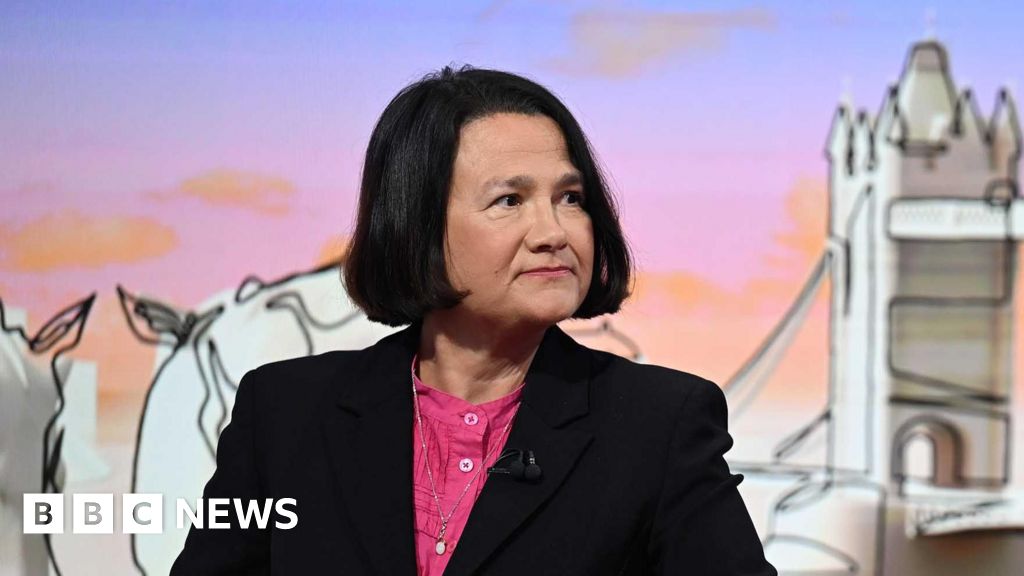

North London MP Urges Prime Minister Keir Starmer to Set Departure Timetable Amid Political Tensions
A prominent Member of Parliament (MP) from north London has called for Prime Minister Sir Keir Starmer to establish a clear timetable for his departure from office, amplifying simmering tensions within the governing party. The demand comes as Starmer reaffirms his commitment to stay on as Prime Minister, declaring he will not step down despite growing internal pressure.
The MP, whose identity has not been disclosed publicly, has reportedly expressed concerns over the direction of the Labour Party under Starmer’s leadership, citing dissatisfaction with policy implementation and public perception. The Prime Minister, however, has remained steadfast, asserting that he will continue to lead the government and fulfil his mandate.
This development underscores deepening factional divisions within Labour, as the party grapples with balancing internal critiques and maintaining unity ahead of the next general election. Starmer, who assumed office just over two years ago, has faced mounting scrutiny over his handling of key issues, including economic recovery, healthcare reform, and international relations.
Growing Calls for Leadership Change
The north London MP’s demand for a departure timeline marks a significant escalation in internal party dynamics. While Labour has traditionally prided itself on internal cohesion, the call reflects a broader sentiment among some MPs who believe a leadership change could rejuvenate the party’s public appeal.
Critics argue that Starmer’s leadership has failed to inspire the grassroots base and attract undecided voters, particularly in key battleground constituencies. They contend that a new leader could offer a fresh vision and energy, potentially reversing Labour’s declining poll numbers.
However, Starmer’s supporters have rallied behind him, praising his pragmatic approach to governance and his efforts to stabilize the country amid ongoing economic challenges. They argue that changing leadership mid-term could destabilize the government and undermine public confidence.
Prime Minister’s Firm Stance
In a recent public statement, Sir Keir Starmer categorically dismissed the idea of stepping down, asserting that he remains fully committed to his role. “The challenges we face as a nation require continuity and steadfast leadership,” he said. “I was elected to deliver on a promise, and I intend to see it through.”
Starmer’s remarks were widely interpreted as a direct rebuke to his critics within the party. By refusing to entertain the notion of a departure, he has signalled his determination to weather the political storm and focus on governance.
Political analysts suggest that Starmer’s firm stance could deter further public dissent, at least temporarily. However, they caution that unresolved tensions within the party could erupt into open conflict if not addressed proactively.
Broader Implications for Labour
The current rift within Labour highlights deeper ideological and strategic divides that have plagued the party in recent years. Since its transition from opposition to government, Labour has struggled to reconcile its progressive ideals with the pragmatic demands of governance.
Starmer’s leadership has been marked by a centrist approach, aimed at broadening the party’s appeal to moderate voters. While this strategy has garnered support in some quarters, it has alienated segments of the party’s traditional base, who feel their concerns are being sidelined.
The north London MP’s intervention is seen as a reflection of this broader discontent. By calling for a leadership transition, the MP is effectively challenging Starmer’s authority and pushing for a reevaluation of the party’s priorities.
Public Reaction and Electoral Consequences
The public reaction to the internal strife has been mixed. Some voters view the call for Starmer’s departure as a necessary step toward revitalizing Labour, while others see it as a destabilizing move that could weaken the government.
Political opponents have seized on the discord, portraying it as evidence of Labour’s inability to govern effectively. “This is a party in disarray,” said one prominent opposition MP. “How can they lead the country when they can’t even manage their own internal affairs?”
The controversy comes at a critical juncture for Labour, as the party prepares for local and national elections. The outcome of these contests could significantly influence the party’s future trajectory, either reinforcing Starmer’s position or emboldening his critics.
Future Implications
The demand for Sir Keir Starmer to set a departure timetable raises important questions about the future of Labour leadership and governance. If Starmer continues to resist calls for change, he risks further alienating factions within his party, potentially exacerbating internal divisions.
Conversely, if he accedes to the pressure and steps down, Labour could face a contentious leadership contest, diverting attention from pressing national issues. The party’s ability to navigate this delicate balance will likely determine its fortunes in the coming months.
For now, all eyes are on Starmer as he seeks to consolidate his authority and steer the government through turbulent times. Whether he can quell the dissent and rally his party remains to be seen, but one thing is clear: the political stakes have never been higher for Labour.
As the debate over leadership unfolds, the broader implications for British politics loom large. The outcome of this internal struggle will not only shape the future of the Labour Party but also influence the direction of the country as a whole.
In a political landscape marked by uncertainty, Starmer’s resolve—and his critics’ persistence—will continue to dominate headlines, making this a pivotal moment in British governance.
