



Pressure Mounts on UK Prime Minister Keir Starmer as Cabinet Ministers Face Questions Over Leadership Crisis
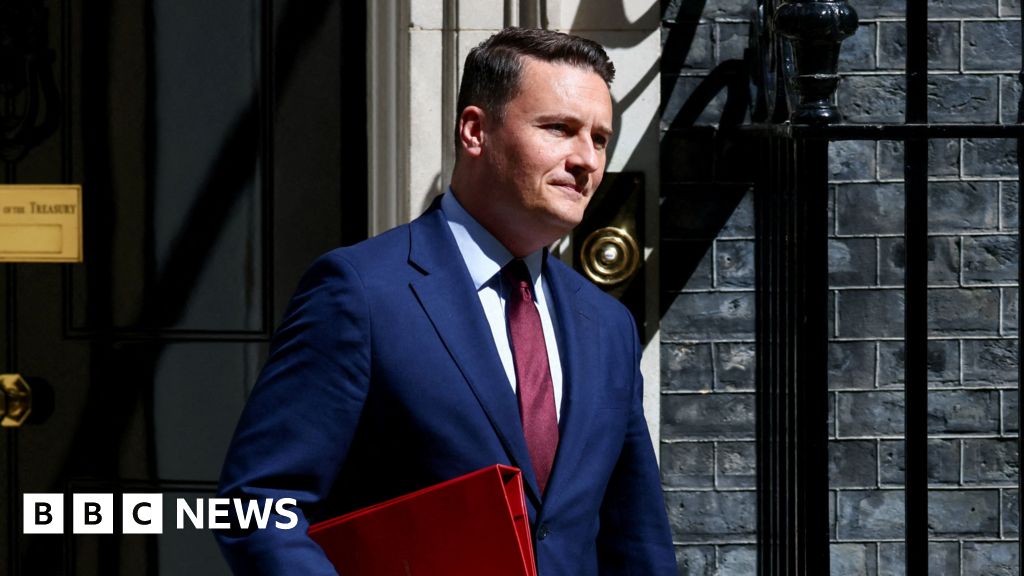
LONDON, UK — British Prime Minister Keir Starmer is facing growing internal dissent within the Labour Party, with more than 80 Members of Parliament (MPs) publicly demanding his resignation or a clear timetable for his departure. The escalating crisis came to a head on Wednesday as cabinet ministers left 10 Downing Street following a tense meeting, only to be bombarded with questions about Starmer’s future.
As ministers exited the iconic address, Health Secretary Wes Streeting notably avoided answering whether he would mount a leadership challenge against Starmer. His silence fueled speculation about potential moves within the party to oust the Prime Minister, who has faced mounting criticism over his handling of key policy issues and a perceived lack of clarity in his leadership.
The Labour Party, which has struggled to regain public trust since its last stint in government, is now grappling with a deepening rift. Starmer, who took office with promises of unity and reform, has found himself increasingly isolated as discontent grows among his own MPs. Critics argue that his leadership has failed to resonate with voters, leaving the party adrift in opinion polls and vulnerable to attacks from the opposition Conservatives.
The latest wave of unrest follows a series of missteps and controversies that have plagued Starmer’s administration. From delays in addressing the cost-of-living crisis to internal disagreements over foreign policy, the Prime Minister’s tenure has been marked by persistent challenges.
“The party is at a crossroads,” said one Labour MP, speaking on condition of anonymity. “There’s a growing sense that Keir’s leadership is no longer tenable. We need a fresh direction if we’re to stand any chance of winning the next election.”
The timing of the crisis is particularly concerning for Labour, which is gearing up for a general election expected within the next year. With the Conservatives still recovering from their own leadership turmoil under former Prime Minister Liz Truss, Labour had hoped to capitalize on voter dissatisfaction. However, the internal rebellion threatens to overshadow any momentum the party might have gained.
The growing chorus of dissent has also raised questions about who might succeed Starmer if he steps down. While Streeting’s silence has sparked intrigue, other prominent figures within the party, including Shadow Chancellor Rachel Reeves, have been floated as potential contenders. Yet, any leadership contest could deepen divisions within Labour, potentially derailing its election campaign.
The Labour Party’s internal strife comes at a time of significant economic and social challenges for the UK. Inflation, though easing slightly, remains stubbornly high, and public services, particularly the National Health Service (NHS), continue to face unprecedented strain. Starmer’s critics argue that his administration has failed to offer bold solutions to these pressing issues, leaving voters disillusioned.
Despite the mounting pressure, Starmer’s allies have rallied to his defense. “Keir has always put the country first,” said a senior Labour official. “He’s navigating incredibly difficult circumstances, and he deserves the party’s full support. This internal criticism is unhelpful and distracting.”
However, such appeals have done little to quell the unrest. With more MPs publicly calling for Starmer’s resignation by the day, the Prime Minister’s position appears increasingly precarious. Political analysts suggest that the next few weeks will be critical in determining whether Starmer can retain his grip on power or if Labour will be forced into a leadership contest.
The crisis also raises broader questions about the state of British politics. With both major parties grappling with internal divisions, voters may be left with a sense of disillusionment and uncertainty as the country heads toward a pivotal election.
Looking ahead, the Labour Party faces a difficult balancing act. On one hand, it must address the immediate leadership crisis and restore unity within its ranks. On the other, it needs to articulate a compelling vision for the future that resonates with voters and distinguishes it from the Conservatives.
For Starmer, the path forward is fraught with challenges. Whether he can regain the confidence of his party and the electorate remains an open question. What is clear, however, is that the coming days will be decisive in shaping the future of Labour—and the broader political landscape in the UK.
As the pressure mounts, all eyes will be on 10 Downing Street to see whether Starmer can weather the storm or if Labour will embark on yet another leadership change in its quest to reclaim power.
