



Iran Seizes Alleged “Floating Armory” in Gulf of Oman, Escalating Regional Tensions
The Gulf of Oman, a strategic waterway that serves as a lifeline for global energy supplies, has once again become the epicenter of geopolitical tension. In a dramatic escalation, Iranian military forces have reportedly seized a vessel described as a “floating armory” in the region. The incident, which unfolded in the shadow of heightened regional rivalries, underscores the precarious balance of power in one of the world’s most critical maritime corridors. This latest development raises urgent questions about the potential for broader conflict and the impact on global security.
The Incident: What Happened?
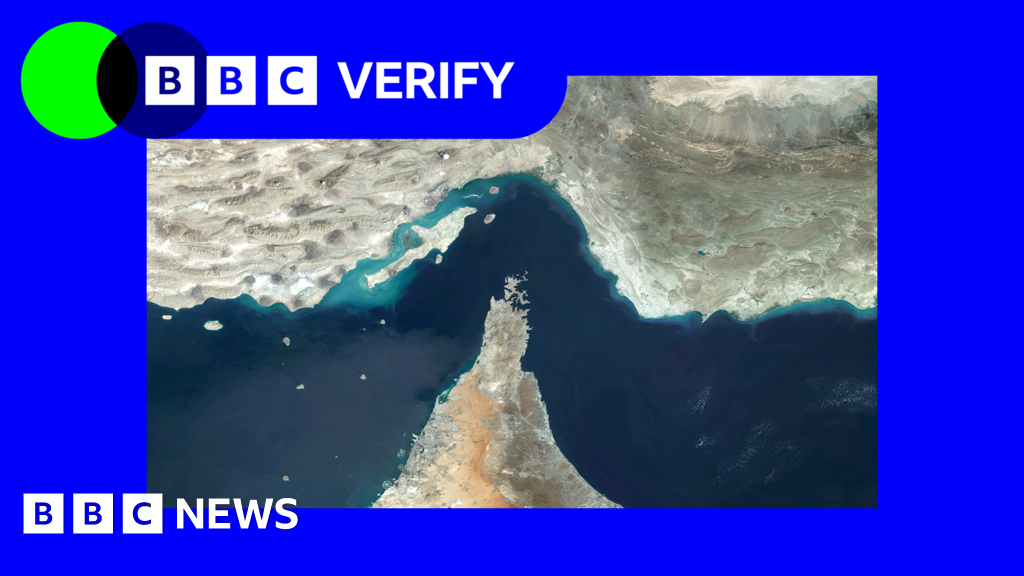
Details surrounding the seizure remain shrouded in uncertainty, but early reports indicate that Iranian forces boarded and commandeered the vessel on suspicion of carrying unauthorized weapons. The ship, allegedly operating as a floating armory, is believed to have been transporting arms and military equipment—a claim that has yet to be independently verified. The Gulf of Oman, a narrow stretch of water linking the Arabian Sea to the Strait of Hormuz, has long been a hotspot for military and commercial activity. The timing of the seizure, amid escalating tensions between Iran and Western powers, suggests a calculated move by Tehran to assert its dominance in the region.
Iran has yet to issue an official statement confirming the vessel’s cargo or its intentions in seizing the ship. However, analysts speculate that the action could be part of a broader strategy to counter perceived threats from foreign powers, particularly the United States and its allies. The Gulf of Oman has seen similar incidents in the past, including the seizure of oil tankers and military confrontations, but the alleged involvement of a floating armory adds a new layer of complexity to an already volatile situation.
Global Context: Why This Matters
The Gulf of Oman is not just a regional flashpoint; it is a vital artery for global energy supplies. Approximately one-fifth of the world’s oil passes through the Strait of Hormuz, making it one of the most strategically important waterways on the planet. Any disruption to maritime traffic in this region could have far-reaching consequences, driving up oil prices, destabilizing global markets, and exacerbating geopolitical tensions.
The seizure of the vessel comes at a time of heightened friction between Iran and the West. Relations have been strained since the collapse of the 2015 nuclear deal, with Iran ramping up its uranium enrichment program and the U.S. imposing crippling sanctions in response. The Biden administration has attempted to revive diplomatic negotiations, but progress has been slow, and incidents like this only serve to deepen mistrust between the parties.
Moreover, the involvement of a floating armory raises concerns about the proliferation of arms in the region. Such vessels, often operated by private military contractors, are used to supply weapons to various actors, including governments, militias, and non-state groups. The seizure of such a ship could indicate Iran’s intent to disrupt the flow of arms to its adversaries or to bolster its own military capabilities.
Escalating Regional Tensions
The Gulf of Oman has witnessed a series of provocative actions in recent years, with Iran and the U.S. engaging in tit-for-tat maneuvers. In 2019, tensions spiked following attacks on oil tankers and the downing of an American drone by Iranian forces. More recently, Iran has conducted missile tests and military exercises in the region, signaling its readiness to defend its interests.
The seizure of the vessel is likely to draw condemnation from Western powers, particularly the U.S. and its allies in the Gulf Cooperation Council (GCC). Saudi Arabia and the United Arab Emirates, both staunch opponents of Iran, have long accused Tehran of destabilizing the region through its support for proxy groups and its aggressive posture in strategic waterways.
At the same time, Iran has frequently criticized the presence of foreign military forces in the Gulf, accusing the U.S. and its allies of encroaching on its sovereignty. The seizure of the alleged floating armory could be interpreted as a message to Washington and its partners that Iran will not hesitate to challenge perceived threats in its backyard.
Broader Implications for Global Security
The incident underscores the fragile nature of global security in an era of geopolitical competition and shifting alliances. As tensions between Iran and the West continue to simmer, the risk of miscalculation and unintended escalation grows. The Gulf of Oman, with its strategic importance, is particularly vulnerable to such destabilizing events.
For the international community, the seizure serves as a stark reminder of the need for robust diplomatic efforts to de-escalate tensions and prevent further incidents. The Biden administration’s attempts to revive the nuclear deal are a step in the right direction, but recent developments highlight the urgency of addressing broader regional security challenges.
At the same time, the incident raises questions about the regulation of floating armories and the proliferation of arms in conflict zones. The international community must grapple with the complex ethical and security implications of private military contractors operating in sensitive regions.
Conclusion: A Precarious Balance
The seizure of the alleged floating armory in the Gulf of Oman is more than a localized incident; it is a symptom of the broader geopolitical fault lines that threaten global stability. As Iran and the West continue their high-stakes standoff, the world watches with bated breath, aware that any misstep could have catastrophic consequences.
In a region where history has shown that conflict can erupt with startling swiftness, the need for dialogue and de-escalation has never been more pressing. The Gulf of Oman, a symbol of both global interconnectedness and geopolitical rivalry, remains a powder keg that demands the world’s attention. The stakes are high, and the clock is ticking.
