



Princess of Wales Returns to Global Stage with Emotional Italy Visit Amid Cancer Recovery
A Royal Comeback Amidst Global Scrutiny
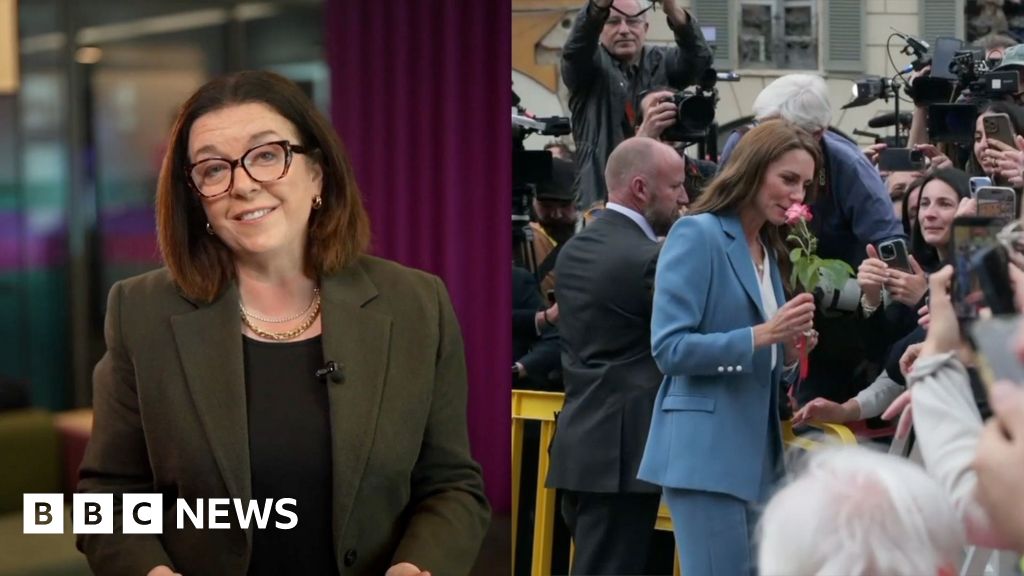
Under the warm Italian sun, the Princess of Wales stepped onto the international stage for the first time since revealing her cancer diagnosis, met with roaring cheers, outstretched hands, and a sea of camera flashes. The scene in Reggio Emilia was one of jubilation—a stark contrast to the months of private struggle that had kept her away from public duties. For a world accustomed to royal spectacles, this moment was more than ceremonial; it was a testament to resilience, a carefully watched return that resonated far beyond the gathered crowd.
A Long-Awaited Return to the Spotlight
Catherine, Princess of Wales, had not undertaken an overseas engagement in over three years—a hiatus that included her battle with cancer, the details of which she disclosed earlier this year. Her appearance in Italy, marked by warm exchanges with well-wishers, selfies, and the traditional presentation of flowers, signaled a cautious but deliberate re-entry into public life. Royal observers noted the significance of the location: Italy, a nation with deep historical ties to the British monarchy, served as a symbolic backdrop for a princess reasserting her global role.
The visit, though brief, carried weight. For a family still navigating the aftermath of Prince Harry and Meghan Markle’s departure, King Charles III’s own health struggles, and relentless media scrutiny, Catherine’s presence offered a moment of stability—a reminder of the monarchy’s enduring, if embattled, appeal.
Why This Visit Matters Beyond Royal Circles
The Princess of Wales’s return is not merely a royal footnote. In an era where global attention flits between wars, political upheaval, and economic uncertainty, the resurgence of a beloved public figure offers a rare unifying narrative. Her cancer diagnosis, shared publicly in March, sparked an outpouring of support worldwide, drawing parallels to other high-profile health battles—such as King Charles’s own cancer treatment—and amplifying conversations about early detection and healthcare access.
Moreover, her reappearance underscores the delicate balance modern royals must strike: maintaining tradition while adapting to a world that demands transparency. The British monarchy, once an unchanging institution, now operates under relentless scrutiny, where every appearance—or absence—fuels speculation. Catherine’s ability to reconnect with the public, even amid personal adversity, reinforces the monarchy’s evolving role as both a ceremonial pillar and a relatable, human institution.
Italy’s Embrace: A Microcosm of Global Sentiment
The enthusiastic reception in Reggio Emilia mirrored the broader international goodwill toward the princess. Social media lit up with images of her engaging with crowds, a visual counterpoint to the invasive paparazzi culture that has long plagued the royals. For Italy, the visit was a diplomatic soft-power moment, reinforcing cultural ties at a time when Europe grapples with political fragmentation.
Yet, the event was not without its undertones of caution. Security was tight, and the princess’s schedule appeared carefully managed—a reminder that her recovery remains a priority. Royal commentators noted the absence of lengthy walkabouts or high-intensity engagements, suggesting a phased return to full duties.
The Bigger Picture: Monarchy in a Changing World
The British royal family’s challenges are emblematic of a larger global trend: traditional institutions struggling to maintain relevance in an age of skepticism and rapid change. From Japan’s imperial family to Scandinavian monarchies, the pressures of modernization, media intrusion, and public expectation are universal. Catherine’s return, therefore, is more than a personal milestone—it’s a case study in how hereditary systems navigate vulnerability and visibility in the 21st century.
Her journey also intersects with broader societal issues. Cancer, a disease that knows no borders, has become a focal point for global health advocacy. By stepping back into the spotlight, the princess inadvertently amplifies awareness campaigns, reinforcing the importance of research and patient support—an unintended but powerful consequence of her public role.
A Resilient Symbol in Uncertain Times
As the Princess of Wales departed Italy, the images of her smiling amid cheering crowds lingered—a fleeting yet poignant moment in a world often dominated by discord. Her return, though carefully staged, carried an unspoken message: that even in the face of personal trials, public figures can embody hope.
For now, the monarchy breathes a cautious sigh of relief. Catherine’s reappearance offers a temporary reprieve from the storms that have buffeted the institution. But the larger questions remain: How much should the public expect of its royals? And can an ancient system survive in an era that demands both grandeur and authenticity?
One thing is certain: the world will be watching.
