


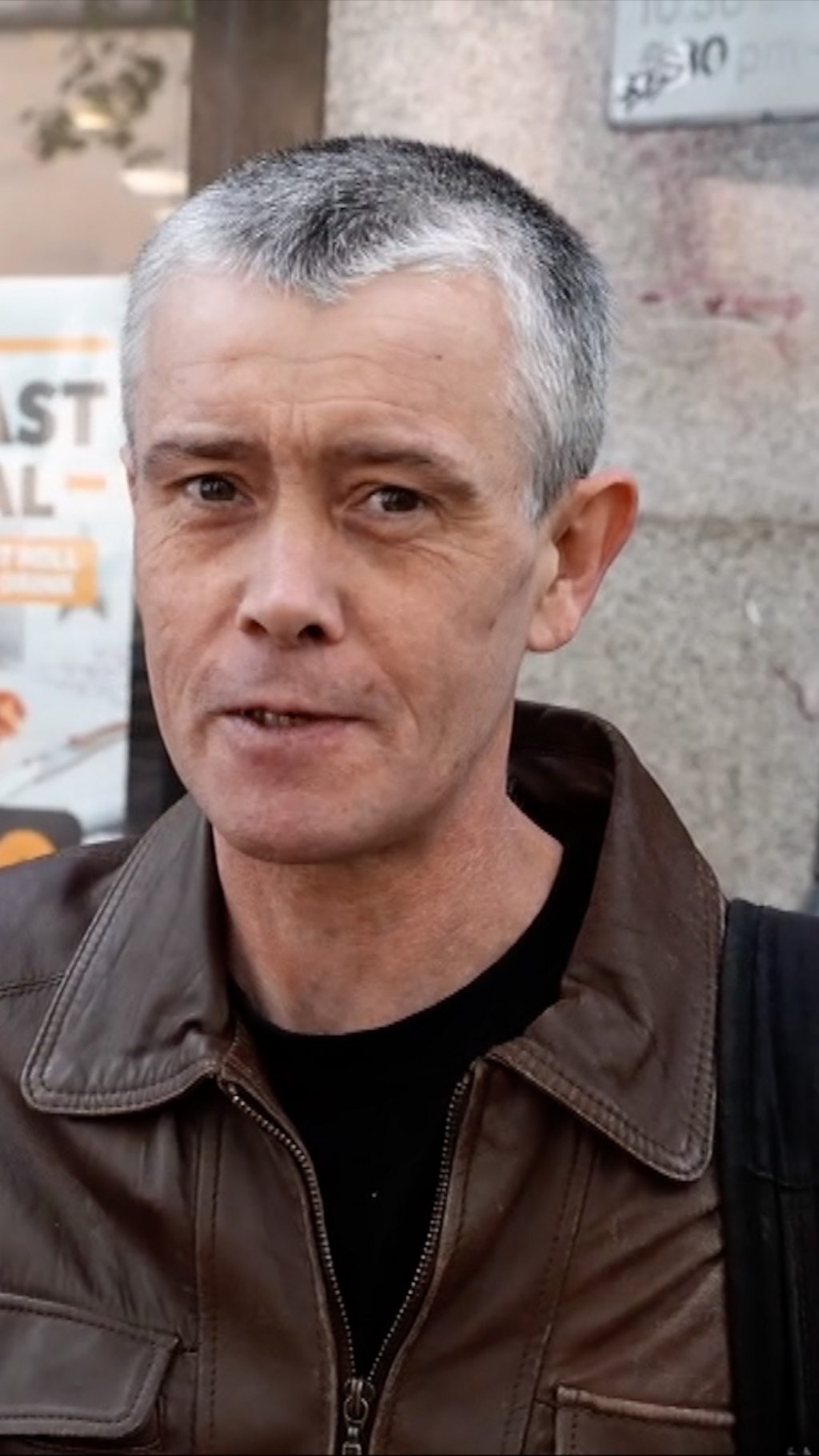

Reform UK Councillor Karl Johnson Set to Lead Wakefield Council After Political Shakeup
Wakefield Council is poised for a significant leadership change as Reform UK councillor Karl Johnson steps into the role of council leader following a dramatic shift in power last week. The political upheaval marks a turning point for the West Yorkshire city, reflecting growing public sentiment and a desire for change in local governance. Johnson’s ascension comes after a series of internal council disputes and a reshaping of political alliances, signaling a new chapter for Wakefield’s 340,000 residents.
A New Era for Wakefield
Johnson, a prominent figure within Reform UK, has been a vocal advocate for local issues, particularly focusing on economic revitalization, infrastructure improvements, and accountability in public spending. His rise to leadership follows a turbulent week in Wakefield’s political landscape, where long-standing allegiances were upended, and Reform UK emerged as a decisive force.
“This is a moment of renewal for Wakefield,” Johnson said in a statement. “Our community deserves leadership that listens, acts decisively, and prioritizes the needs of residents above all else. I am committed to delivering tangible results and restoring trust in local government.”
The shift in power comes at a critical time for Wakefield, which has faced challenges such as rising living costs, strained public services, and stalled development projects. Johnson’s leadership is expected to bring a fresh perspective to these issues, but it also raises questions about the direction of the council under a party that has historically been seen as a challenger to the political establishment.
Local Reactions
The announcement has sparked a mix of optimism and skepticism among Wakefield residents. At a local café in the city center, opinions were divided.
“I think it’s about time someone new took charge,” said Sarah Thompson, a small business owner. “We’ve been stuck in the same cycle for too long. If Johnson can bring real change, I’m all for it.”
Others, however, expressed caution. “I’m not sure what Reform UK stands for locally,” said James Carter, a retired teacher. “Their national agenda is clear, but I haven’t seen much detail about how they’ll address Wakefield’s specific needs.”
Reform UK, founded in 2021 as a successor to the Brexit Party, has positioned itself as a disruptor in British politics. While the party has gained traction in some areas, its influence at the local government level has been limited until now. Johnson’s leadership in Wakefield could serve as a litmus test for the party’s ability to transition from a national movement to a viable local governing force.
Context and Significance
Wakefield Council’s power shift reflects broader trends in British politics, where traditional parties are increasingly facing challenges from smaller, more agile movements. The Conservative and Labour parties have long dominated local councils, but recent years have seen growing disillusionment with their policies and priorities.
Johnson’s appointment also underscores the importance of local elections as a bellwether for national sentiment. With a general election expected within the next year, Wakefield’s political transformation could offer insights into the evolving landscape of UK politics.
The city itself holds symbolic significance. Wakefield is part of the so-called “Red Wall,” traditionally Labour-supporting areas in Northern England that shifted to the Conservatives in the 2019 general election. The rise of Reform UK in such a politically pivotal region suggests that voters are still searching for alternatives.
Challenges Ahead
As Johnson prepares to take the helm, he faces significant challenges. Wakefield’s economy has struggled to recover from the impacts of the COVID-19 pandemic, and the council has faced criticism over its management of key projects, including the redevelopment of the city center. Additionally, Johnson will need to navigate a council chamber where Reform UK holds a narrow majority, requiring careful negotiation to advance his agenda.
Community leaders have called for unity and a focus on shared goals. “This is a time for collaboration, not division,” said Amina Khan, chair of the Wakefield Citizens’ Forum. “Whoever leads the council, the priority should be improving the lives of residents.”
Future Implications
Johnson’s leadership will be closely watched, not just by Wakefield residents but by political observers across the UK. His success or failure could influence Reform UK’s strategy in upcoming local and national elections.
For Wakefield, the stakes are high. The city’s fortunes are inextricably linked to the effectiveness of its leadership, and Johnson’s tenure will likely shape its trajectory for years to come.
As the dust settles on last week’s political upheaval, one thing is clear: Wakefield is at a crossroads. The decisions made in the coming months will determine whether this marks the beginning of a new era or another chapter in the city’s ongoing struggle for renewal.
For now, all eyes are on Karl Johnson, a leader tasked with turning promises into action and proving that Reform UK is more than just a protest movement—it’s a viable force for change.
