


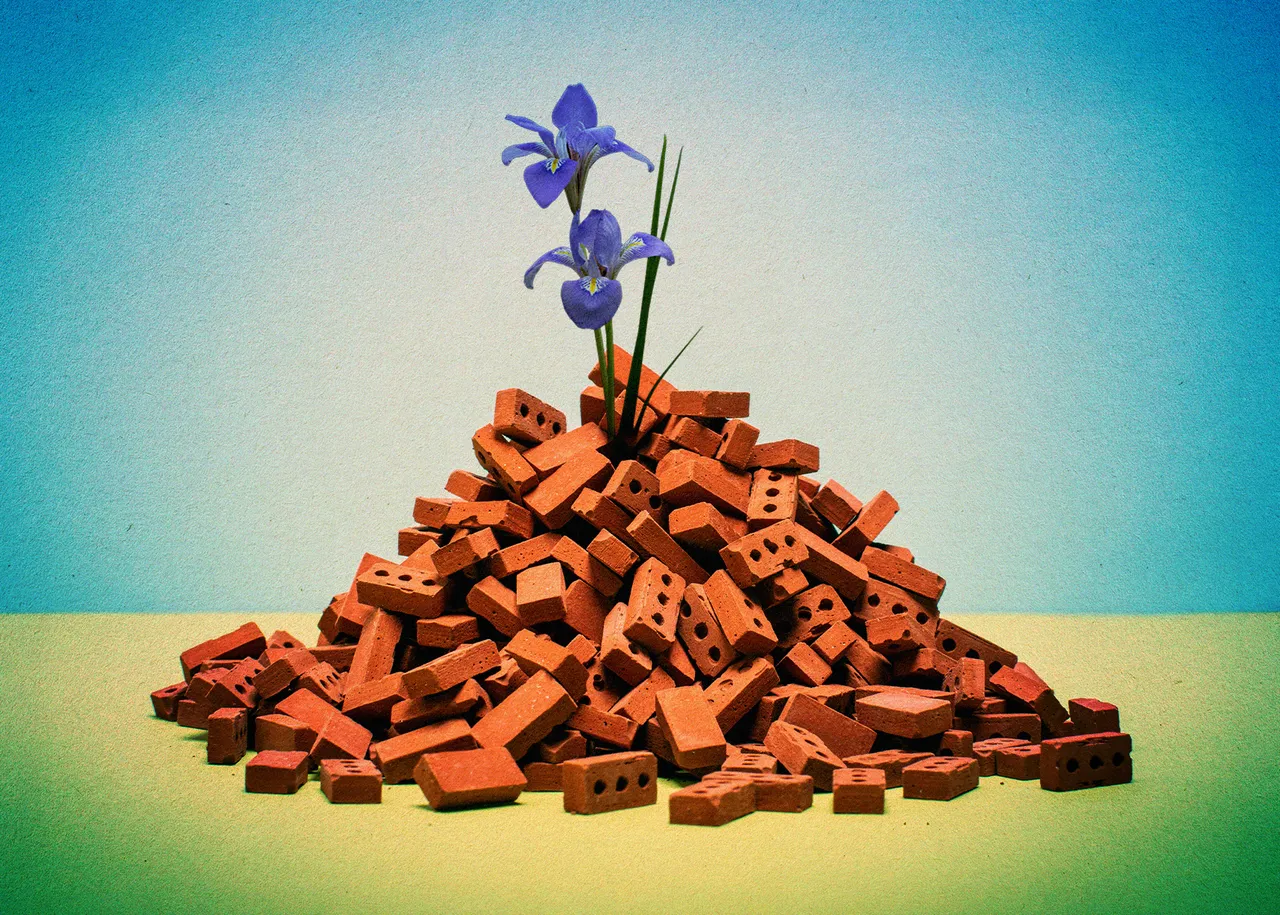

Amid Devastation, Gaza Builds Hope from Ruins with Ingenious Recycling Project
In the heart of Gaza, where mountains of rubble stretch across a landscape scarred by conflict, a quiet revolution is taking place. Amid the ruins of his bombed-out workshop, Suleiman Abu Hassanin is piecing together a fragile hope for the future. His mission? To transform the debris of war into building blocks for recovery. Using crushed concrete, local soil, and ingenuity, Abu Hassanin and his team are pioneering a groundbreaking project to recycle rubble into Lego-like interlocking bricks, offering a glimmer of hope in a place where traditional construction materials are prohibitively scarce.
The scale of destruction in Gaza is staggering. According to United Nations estimates, the enclave is now littered with more than 60 million tons of rubble—a grim testament to years of relentless bombardment and blockade. Hundreds of thousands of displaced Gazans live in makeshift tents, exposed to the harsh elements, with no clear path to rebuilding their shattered homes. For Abu Hassanin, the crisis demanded more than despair—it demanded innovation.
A Crisis Decades in the Making
Gaza’s construction crisis did not begin with the latest escalation of violence. For over 16 years, the Israeli blockade has severely restricted the flow of essential building materials, including cement and steel, into the enclave. This policy, justified by Israel as a security measure to prevent the use of construction materials for military purposes, has crippled Gaza’s ability to rebuild after repeated conflicts. The result is a cycle of destruction and stagnation, where entire neighborhoods remain in ruins and the foundations of a functional society erode.
The latest war, which began in October 2023, has pushed Gaza’s infrastructure past the brink of collapse. Hospitals, schools, and homes have been reduced to rubble, leaving an estimated 2.3 million people in desperate need of shelter, healthcare, and basic services. Yet, amidst the devastation, Gaza’s resilient population is finding ways to adapt and survive.
Green Rock: Turning Rubble into Resources
Abu Hassanin’s project, aptly named “Green Rock,” is a testament to this resilience. The initiative aims to recycle the remains of destroyed buildings into durable, interlocking bricks that can be assembled without traditional mortar. Similar techniques have been used in post-conflict zones like Sudan and Iraq, as well as in sustainable construction projects in Europe. However, in Gaza, the approach is not a luxury or an architectural experiment—it is a lifeline.
The process begins with the crushing and sorting of rubble, which is then mixed with local soil and alternative binding materials developed within Gaza. The mixture is compressed using a hand-built machine, producing bricks that can be interlocked like Lego pieces. This innovative design reduces the need for cement, which remains scarce due to the blockade, and offers a sustainable solution to Gaza’s housing crisis.
“We were facing a simple equation: destruction without solutions,” Abu Hassanin explains. “So we tried to turn it into a resource.” His voice, tired yet determined, echoes the collective exhaustion of a population that has endured decades of hardship. Yet, it also carries a note of defiance—a refusal to surrender to despair.
Engineering Resilience
The Green Rock project has drawn on the expertise of local engineers and international collaborators to ensure the bricks meet structural and safety standards. Engineer Wajdi Jouda played a key role in defining the brick’s size and composition, leveraging his technical knowledge to connect the team with outside expertise. Under normal circumstances, such bricks would require a small percentage of cement, but Gaza’s unique constraints prompted the team to develop a version using locally available alternatives.
The result is a product that is not only practical but also emblematic of Gaza’s resilience. Each brick carries within it the remnants of a past shattered by conflict, yet it also embodies the hope of a community determined to rebuild.
Challenges and Limitations
While the Green Rock project is a beacon of hope, it is not without challenges. The process of recycling rubble is labor-intensive and time-consuming, and the bricks alone cannot address the vast scale of Gaza’s destruction. Moreover, the ongoing blockade and frequent outbreaks of violence continue to hinder reconstruction efforts, leaving many Gazans trapped in a cycle of displacement and deprivation.
International organizations have warned of the long-term consequences of Gaza’s humanitarian crisis, from environmental degradation to the psychological toll on its population. The United Nations Environment Programme (UNEP) has highlighted the environmental damage caused by the war, including the dispersal of hazardous materials like asbestos and lead, which pose significant health risks to residents.
A Symbol of Resilience
Despite these challenges, Green Rock represents more than a technological innovation—it is a symbol of Gazans’ unwavering determination to rebuild their lives. In a place where hope is often in short supply, Abu Hassanin’s efforts remind the world that even amidst devastation, creativity and resilience can flourish.
The project also raises broader questions about the role of innovation in post-conflict recovery and the need for international support to address Gaza’s humanitarian crisis. While initiatives like Green Rock offer a path forward, they cannot replace the urgent need for political solutions and sustainable development.
As the sun sets over Gaza, casting long shadows over its ruins, Suleiman Abu Hassanin continues his work, one brick at a time. In a world that often sees Gaza only through the lens of conflict and despair, his story is a reminder that even in the darkest times, humanity’s capacity for ingenuity and hope endures.
The road to recovery in Gaza is long and fraught with challenges, but projects like Green Rock offer a glimmer of possibility. In the face of destruction, Gazans are rebuilding—not just their homes, but their future. As Abu Hassanin puts it, “We have no choice but to turn our pain into something new.” And in doing so, they remind the world that even in the rubble, hope can be found.
