


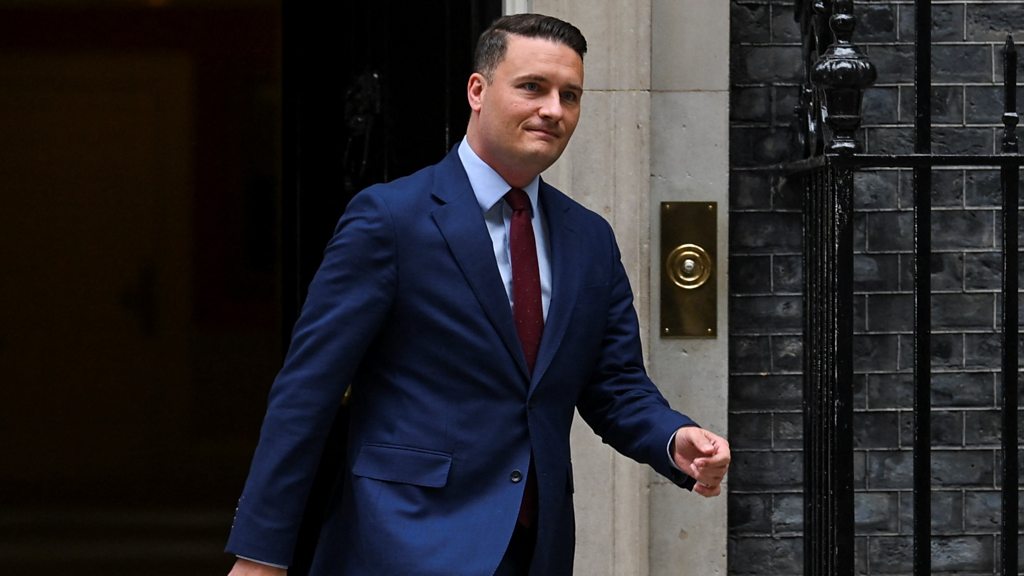

Health Secretary Wes Streeting’s Brief Meeting with Prime Minister Sparks Speculation
London — In a move that has raised eyebrows across political circles, UK Health Secretary Wes Streeting departed 10 Downing Street less than 20 minutes after arriving for a scheduled meeting with Prime Minister Keir Starmer on Tuesday. The unusually brief encounter has fueled speculation about the nature of the discussion and its implications for the government’s health policy agenda.
Streeting, who was appointed to the role following Labour’s landslide victory in the July general election, has been a vocal advocate for ambitious NHS reforms. His swift exit from the Prime Minister’s residence has left observers questioning whether the meeting ended abruptly due to disagreement, scheduling constraints, or another undisclosed factor. Downing Street has yet to release an official statement on the matter.
The Health Secretary’s arrival at No. 10 was captured by photographers and journalists stationed outside the iconic black door. Eyewitnesses noted that Streeting appeared composed as he entered the building shortly after midday. However, his swift departure, accompanied by a brief acknowledgment of reporters without further comment, has prompted intense scrutiny.
Context and Significance
The meeting between Streeting and Starmer was widely anticipated, particularly given the Health Secretary’s recent push for significant reforms in the National Health Service. Streeting has been outspoken about addressing long-standing issues such as staffing shortages, funding deficits, and record-high waiting times. His proposals include leveraging private sector partnerships to alleviate strain on the NHS, a policy that has drawn both praise and criticism from various stakeholders.
Prime Minister Starmer, who has emphasized unity and pragmatism within his cabinet, has broadly supported Streeting’s vision for healthcare reform. However, the brevity of Tuesday’s meeting has led to questions about potential tensions between the two leaders. Some analysts suggest that Streeting’s ambitious plans may face resistance from within the Labour Party or bureaucratic hurdles within the government.
The timing of the meeting is also noteworthy, coming just days before the government is expected to unveil its comprehensive health strategy. The document, slated for release later this week, is anticipated to outline Labour’s priorities for the NHS, including measures to improve patient care and streamline operations. Streeting’s involvement has been central to the strategy’s development, making his swift exit from No. 10 all the more puzzling.
Political Reactions and Public Perception
News of the brief encounter has already sparked reactions from political commentators and opposition figures. The Conservative Party, now in opposition, has seized on the incident as evidence of internal discord within the Labour government. “If the Health Secretary can’t even secure a meaningful conversation with the Prime Minister, how can we trust this government to deliver on its promises?” asked Conservative health spokesperson Amanda Pritchard.
Meanwhile, public opinion remains divided. While some view the situation as a minor procedural hiccup, others interpret it as a sign of deeper issues within the administration. Social media platforms have been abuzz with speculation, with hashtags such as #NHSReform and #StreetingStir trending across the UK.
Healthcare advocacy groups have also weighed in, urging transparency from the government. “The NHS is at a critical juncture,” said Dr. Sarah Thompson, spokesperson for the British Medical Association. “We need clarity on the government’s plans and assurance that reform will be prioritized.”
Future Implications
The fallout from Streeting’s brief meeting with Starmer could have significant ramifications for the government’s health agenda. If the encounter indeed reflects unresolved disagreements, it may signal challenges ahead for Labour’s ambitious NHS reforms. Conversely, if the brevity was merely procedural, failing to address public concerns could erode confidence in the government’s ability to deliver on its promises.
Looking ahead, all eyes will be on the upcoming health strategy announcement. The document is expected to provide a roadmap for the NHS’s future, but its reception will likely hinge on the perceived cohesion and commitment of the Labour leadership. Streeting’s role in shaping and implementing these policies will remain under scrutiny, particularly as the government seeks to navigate the complex and politically charged landscape of healthcare reform.
As the UK grapples with pressing health challenges, the actions and interactions of its leaders will continue to shape public trust and policy outcomes. For now, the mystery surrounding Wes Streeting’s fleeting visit to No. 10 serves as a reminder of the delicate balance between ambition and execution in the realm of governance.
