


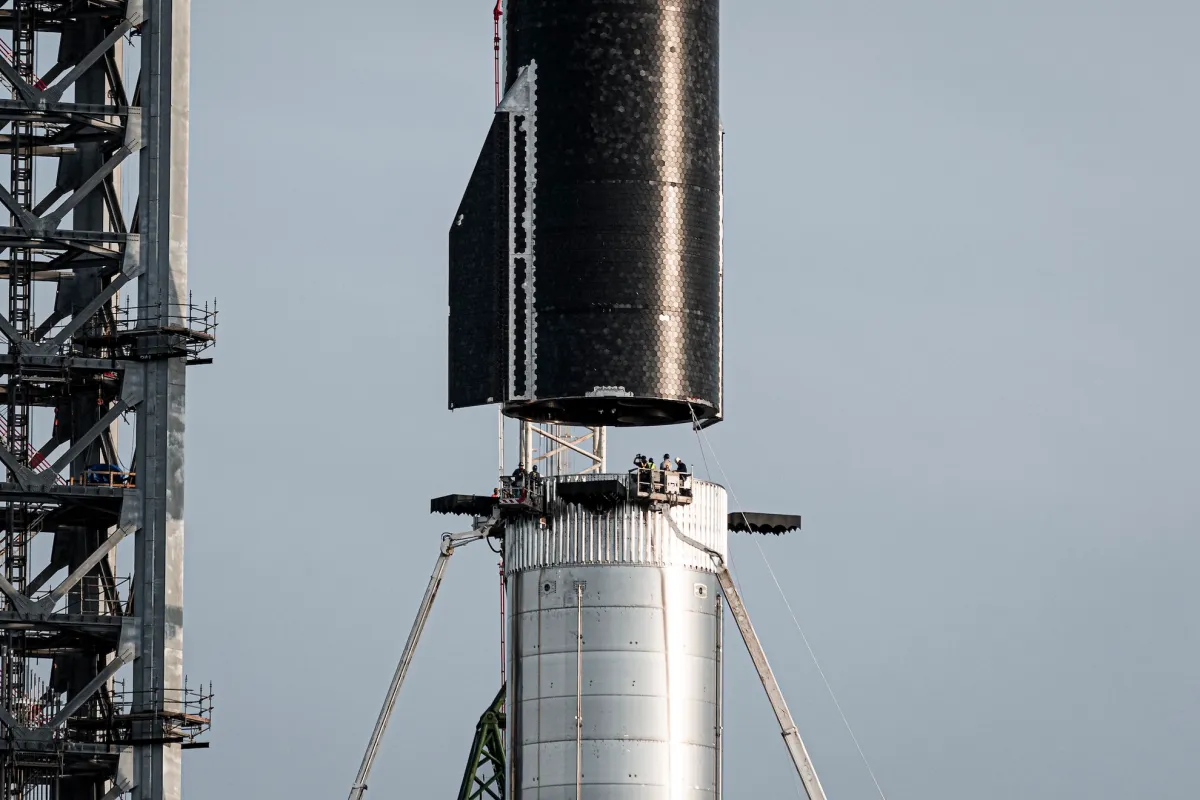

Tragedy Strikes SpaceX Starbase: Worker Fatality Sparks OSHA Investigation Amid Mounting Safety Concerns
By [Your Name]
May 20, 2026
A SpaceX worker has died at the company’s Starbase launch facility in South Texas, marking the latest in a series of safety incidents at Elon Musk’s ambitious space exploration venture. The fatality, which occurred in the predawn hours of May 15, has prompted an immediate investigation by the U.S. Occupational Safety and Health Administration (OSHA), raising fresh questions about workplace conditions at one of the most high-profile—and high-risk—construction and launch sites in the aerospace industry.
Details of the Incident
According to OSHA and local officials, the unidentified worker died at approximately 4:17 a.m. local time at the sprawling Starbase complex near Boca Chica, Texas. The exact circumstances surrounding the death remain unclear, with SpaceX, local authorities, and the newly incorporated city of Starbase declining to provide immediate comment. The Cameron County Sheriff’s Office confirmed the fatality to The Wall Street Journal, but no further details have been released pending OSHA’s inquiry.
The federal safety agency told TechCrunch that its investigation could take months to complete, a standard timeline for workplace fatality probes. OSHA spokesperson Jessica Sanchez emphasized that no preliminary findings would be disclosed until the inquiry concludes, leaving workers, industry observers, and regulators in suspense over whether preventable safety lapses contributed to the tragedy.
A Troubled Safety Record
The death comes amid heightened scrutiny of SpaceX’s workplace safety practices, particularly at Starbase, where rapid construction and frequent Starship prototype testing have created a volatile environment. A 2025 TechCrunch analysis of OSHA data revealed that injury rates at the Texas facility far exceeded those of competitors like Boeing and Blue Origin, with Starbase ranking as the most hazardous of SpaceX’s operational sites.
Historical precedents suggest systemic issues. A 2023 Reuters investigation uncovered dozens of unreported injuries at SpaceX facilities, including a 2014 fatality at the company’s McGregor, Texas, test site. More recently, in January 2026, OSHA cited SpaceX for seven “serious” safety violations—six of which carried the maximum financial penalty—after a crane collapse at Starbase in June 2025. The agency levied $115,850 in fines, which SpaceX is currently contesting.
Legal battles have further exposed safety shortcomings. In December 2025, subcontractor employee Eduardo Cavazos sued SpaceX after a massive metal support beam fell from a crane, crushing his hip, knee, and tibia. Though OSHA opened a rapid-response investigation, it later closed the case without punitive action. Cavazos’ lawsuit was ultimately dismissed due to workers’ compensation protections, but the incident underscored persistent hazards at the site.
Timing Raises Eyebrows
The worker’s death coincides with two pivotal moments for SpaceX: the imminent launch of its next-generation Starship rocket—a critical milestone in NASA’s Artemis moon missions—and the expected release of its highly anticipated IPO prospectus. Analysts predict the public offering could be the largest in history, valuing the company at over $200 billion.
Critics argue that SpaceX’s breakneck pace—driven by Musk’s aggressive timelines—may be compromising worker safety. “The pressure to meet deadlines in aerospace is immense, but no launch or financial milestone should come at the cost of human life,” said Dr. Laura Chen, a labor safety expert at Cornell University. “When injury rates outpace industry norms, it’s a red flag that demands systemic change.”
Industry-Wide Implications
The incident also reignites debate over workplace safety in the New Space sector, where private companies operate with fewer historical safeguards than legacy aerospace contractors. Unlike NASA or traditional defense contractors, firms like SpaceX face less federal oversight outside of OSHA’s purview, leading to calls for stricter regulations.
“SpaceX is pushing boundaries in rocketry, but safety protocols shouldn’t be one of them,” said former NASA safety officer Robert Taggart. “The industry needs standardized safety frameworks, especially as more private players enter high-risk operations.”
What’s Next?
As OSHA’s investigation unfolds, SpaceX must navigate both regulatory and reputational challenges. The company has not publicly addressed the fatality, but industry insiders expect increased scrutiny from investors and partners. Meanwhile, worker advocates are demanding transparency. “Families and colleagues deserve to know what happened—and what SpaceX will do to prevent it from happening again,” said Maria Juarez of the Aerospace Safety Alliance.
For now, the Starship launch preparations continue, and SpaceX’s IPO looms. But the shadow of this tragedy serves as a stark reminder: in the race to conquer space, safeguarding those on the ground must remain a non-negotiable priority.
This is a developing story. Updates will follow as more information becomes available.
