


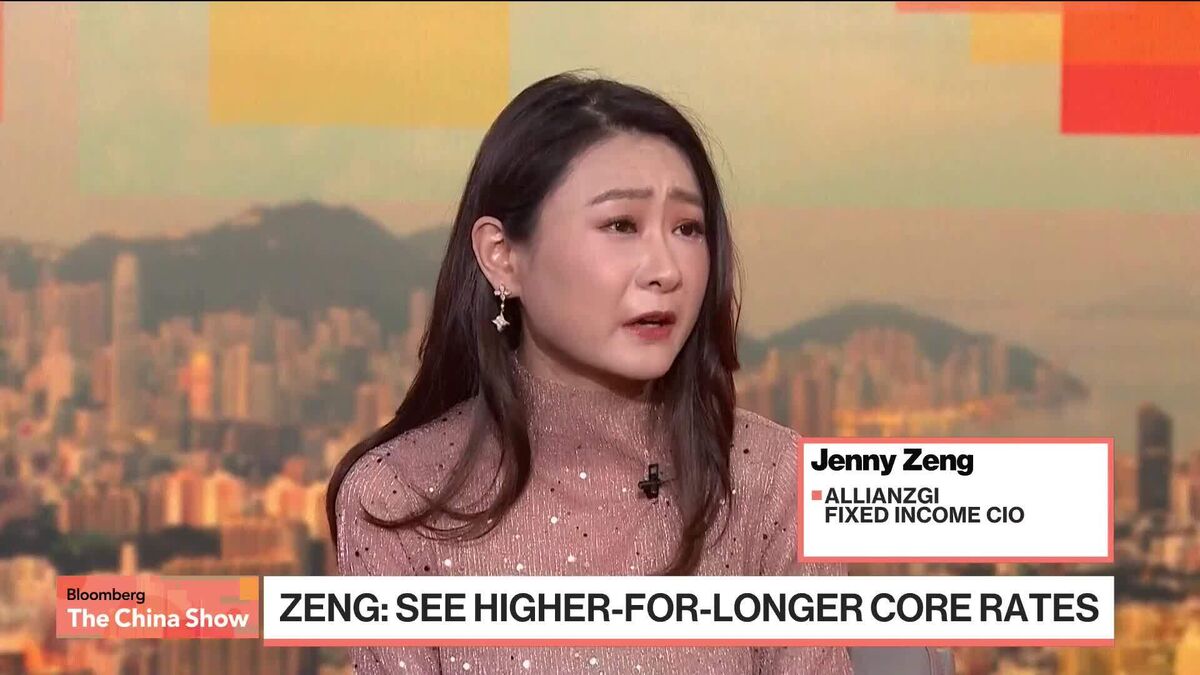

Bond Markets May Be Overestimating Inflation Risks, Warns Allianz Investment Chief
Global Investors Urged to Rethink Inflation Expectations as Fed Policy Remains Uncertain
By [Your Name]
[Date]
The bond market may be overestimating the persistence of inflation, according to a stark warning from Allianz Fixed Income’s Chief Investment Officer, Jenny Zeng. In a recent analysis, Zeng cautioned that while inflation remains a key concern for central banks, current pricing in fixed-income markets may not fully account for moderating factors such as U.S. energy independence and easing tariff pressures.
Her comments come as investors worldwide grapple with conflicting signals—persistent inflation in some sectors, yet signs of softening demand in others. With the Federal Reserve keeping further rate hikes on the table, Zeng’s insights offer a nuanced perspective on whether markets have become too pessimistic—or too optimistic—about the road ahead.
Are Bonds Misreading the Inflation Outlook?
Fixed-income markets have been volatile in recent months, with yields fluctuating as traders attempt to gauge the Federal Reserve’s next moves. Zeng argues that the current pricing of inflation expectations in bond markets may be overly aggressive, failing to reflect structural shifts that could temper long-term price pressures.
“While inflation is still above target, some of the factors driving it higher—such as supply chain disruptions and energy shocks—are fading,” Zeng noted. “The U.S. is now far more energy-independent than in past decades, which reduces vulnerability to oil price spikes. Additionally, the impact of trade tariffs is gradually softening, which could ease goods inflation.”
Her assessment aligns with recent economic data showing that while core inflation remains sticky, certain components—such as used car prices and freight costs—have begun to decline. This raises questions about whether the bond market has fully priced in these moderating forces.
The Fed’s Dilemma: How Much More Tightening Is Needed?
The Federal Reserve has maintained a hawkish stance, emphasizing that further rate hikes remain possible if inflation does not subside sufficiently. However, Zeng suggests that the central bank may not need to act as aggressively as some investors fear.
“The Fed is rightly cautious, but we shouldn’t assume they’ll keep hiking until something breaks,” she said. “If energy prices stabilize and supply chains continue to heal, the urgency for additional tightening could diminish.”
This view contrasts with more pessimistic market forecasts, where some traders still expect at least one more rate increase this year. The discrepancy highlights the uncertainty surrounding monetary policy, particularly as conflicting economic indicators—strong labor markets versus slowing manufacturing activity—complicate the Fed’s decision-making.
The Role of U.S. Energy Independence in Curbing Inflation
One of Zeng’s key arguments is that the U.S. economy is now far less susceptible to energy-driven inflation shocks than in previous decades. The shale revolution and increased domestic oil production have significantly reduced reliance on foreign energy, insulating the country from geopolitical supply disruptions.
“This structural shift means that even if global oil prices rise, the pass-through effect on U.S. inflation is weaker than it was 20 or 30 years ago,” Zeng explained. “That’s a critical factor markets may be underestimating.”
Indeed, while energy prices remain a wildcard—especially amid Middle East tensions and OPEC+ production cuts—the U.S. is better positioned to absorb shocks than Europe or emerging markets. This could help prevent the kind of runaway inflation seen in the 1970s, even if oil prices remain elevated.
Trade Policy: A Fading Inflation Driver?
Another factor that could ease inflationary pressures is the gradual normalization of global trade. The U.S.-China trade war led to significant tariffs on imported goods, contributing to higher consumer prices. However, Zeng notes that the economic impact of these measures has softened over time as businesses adjust supply chains and absorb costs.
“Tariffs were a meaningful inflation driver in 2019-2021, but their effect is now diminishing,” she said. “Companies have found workarounds, and some pricing pressures are naturally easing.”
This trend, combined with improving supply chain efficiency, suggests that goods inflation—a major component of post-pandemic price surges—may continue to cool.
Market Implications: Is a Bond Rally Ahead?
If Zeng’s assessment proves correct, bond markets could be in for a recalibration. Overly pessimistic inflation expectations have kept yields elevated, but if price pressures ease faster than anticipated, a rally in longer-dated Treasuries could follow.
“Right now, the market is pricing in a worst-case scenario where inflation stays high indefinitely,” Zeng observed. “But if we see clearer signs of disinflation, especially in core services, there could be room for yields to adjust downward.”
This scenario would have broad implications, from mortgage rates to corporate borrowing costs. For equity investors, it could signal a more stable interest rate environment, reducing the risk of further Fed-induced volatility.
Conclusion: A More Balanced Inflation Narrative Ahead?
Jenny Zeng’s analysis provides a counterpoint to the prevailing bond market narrative, suggesting that inflation risks may be overstated. While the Fed remains vigilant, structural changes in energy markets and global trade could help contain price pressures without requiring drastic monetary tightening.
For investors, the key takeaway is to remain flexible—neither dismissing inflation concerns entirely nor assuming the worst. As Zeng puts it: “Markets often overshoot in both directions. Right now, the pendulum may have swung too far toward pessimism.”
Only time will tell if her optimism is justified, but one thing is clear: in today’s uncertain economic climate, a measured approach may be the wisest strategy of all.
