



Indonesia Moves to Tighten Commodity Export Controls Amid Economic Pressures
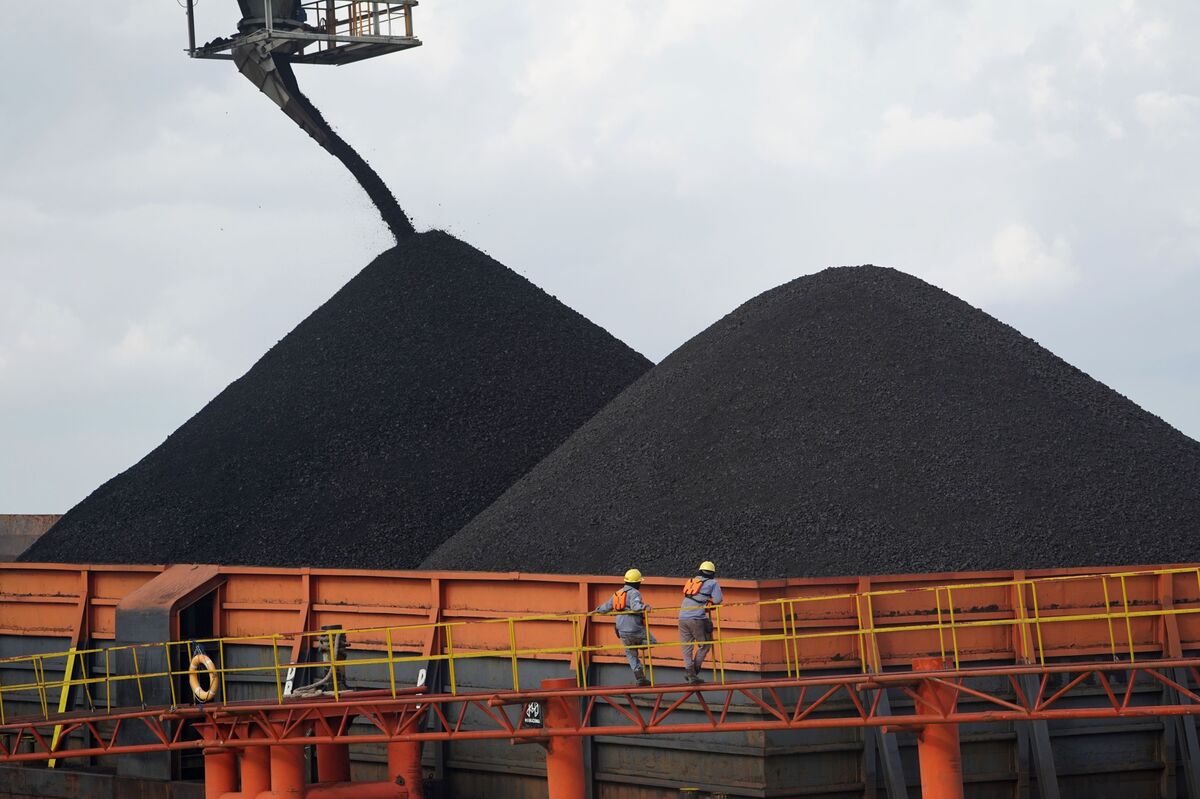
Jakarta, Indonesia – In a bold move to stabilize its faltering economy and combat widespread tax evasion, Indonesia is preparing to implement stricter controls on key commodity exports, including coal and palm oil, according to senior government sources. The measures, expected to be unveiled in the coming weeks, aim to shore up the embattled rupiah while ensuring greater transparency in one of Southeast Asia’s most vital trade sectors.
The decision comes as Indonesia grapples with mounting economic challenges, including a rapidly depreciating currency and widening fiscal deficits. The rupiah has plunged to multi-year lows against the U.S. dollar, pressured by global financial volatility and capital outflows from emerging markets. By tightening oversight of its lucrative natural resource exports—a cornerstone of the nation’s economy—Jakarta hopes to stem revenue leaks and reinforce its financial stability.
A Crackdown on Tax Evasion and Revenue Loss
Indonesia, the world’s largest exporter of palm oil and a major coal supplier, has long struggled with illicit financial practices in its commodity trade. Industry insiders estimate billions of dollars in potential tax revenue are lost annually due to under-invoicing, smuggling, and misdeclared shipments. The new regulations are expected to mandate stricter documentation, real-time export monitoring, and enhanced cooperation between customs and tax authorities.
“The government is determined to close loopholes that have allowed companies to evade taxes and understate export values,” a senior finance ministry official, speaking on condition of anonymity, told reporters. “This isn’t just about revenue—it’s about fairness and ensuring the state gets its rightful share.”
The move follows similar actions by other resource-rich nations, such as Peru and South Africa, which have tightened export controls to combat illicit financial flows. Analysts suggest Indonesia’s initiative could set a precedent for emerging markets reliant on commodity exports.
Impact on Global Markets
Any disruption to Indonesia’s commodity supply chains could have far-reaching consequences. The country accounts for nearly 60% of global palm oil exports, a key ingredient in food products, cosmetics, and biofuels. Meanwhile, its thermal coal is critical for power generation across Asia, particularly in China and India.
Market watchers warn that stricter export controls—or even temporary halts—could trigger price volatility. In 2022, Indonesia briefly banned palm oil exports to curb domestic inflation, sending global prices soaring. While an outright ban is not currently on the table, traders are bracing for potential bottlenecks.
“If enforcement becomes overly stringent, we could see delays in shipments and upward pressure on prices,” said commodities analyst Rajiv Patel of Singapore-based Horizon Insights. “Buyers will need to factor in higher compliance costs.”
Domestic Pushback and Industry Concerns
The proposed measures have drawn mixed reactions within Indonesia. While policymakers argue that tighter controls will boost state coffers, industry leaders fear excessive bureaucracy could stifle trade. The Indonesian Coal Mining Association (ICMA) has cautioned against policies that might deter foreign investment or disrupt long-term contracts.
“We support efforts to improve governance, but sudden regulatory changes create uncertainty,” said ICMA Chairman Pandu Sjahrir. “The focus should be on streamlining processes, not adding layers of red tape.”
Smallholder palm oil farmers, who contribute significantly to Indonesia’s output, also worry about unintended consequences. Past export restrictions have led to plunging domestic prices, hurting producers. Government officials have pledged to engage stakeholders before finalizing the rules, but skepticism remains.
Broader Economic Context
Indonesia’s push for stricter export oversight reflects deeper economic anxieties. The rupiah has weakened nearly 6% against the dollar this year, making imports more expensive and fueling inflation. The central bank has intervened in currency markets and raised interest rates, but external pressures—including a strong dollar and slowing Chinese demand—continue to weigh on the economy.
President Joko Widodo’s administration is also under pressure to reduce the budget deficit, which ballooned during the pandemic. By cracking down on tax evasion, officials hope to narrow the gap without resorting to austerity measures that could spark public discontent.
Looking Ahead: Balancing Regulation and Growth
As details of the new policy emerge, the key challenge for Indonesia will be striking a balance between enforcement and economic growth. Overly aggressive measures risk alienating investors, while lax oversight perpetuates revenue losses.
“This is a delicate dance,” said political economist Dr. Lili Wahid of the University of Indonesia. “The government must demonstrate it can enforce rules fairly without derailing the export engine that drives much of the country’s prosperity.”
For now, global markets are watching closely. Whether Indonesia’s latest intervention succeeds may depend on its ability to implement reforms without triggering the very instability it seeks to avoid. As one Jakarta-based diplomat remarked, “In the world of commodities, every action has an equal and opposite reaction—often felt far beyond national borders.”
The coming months will test whether Indonesia can navigate these turbulent economic waters, proving that even resource-rich nations must adapt to an increasingly unpredictable global landscape.
