


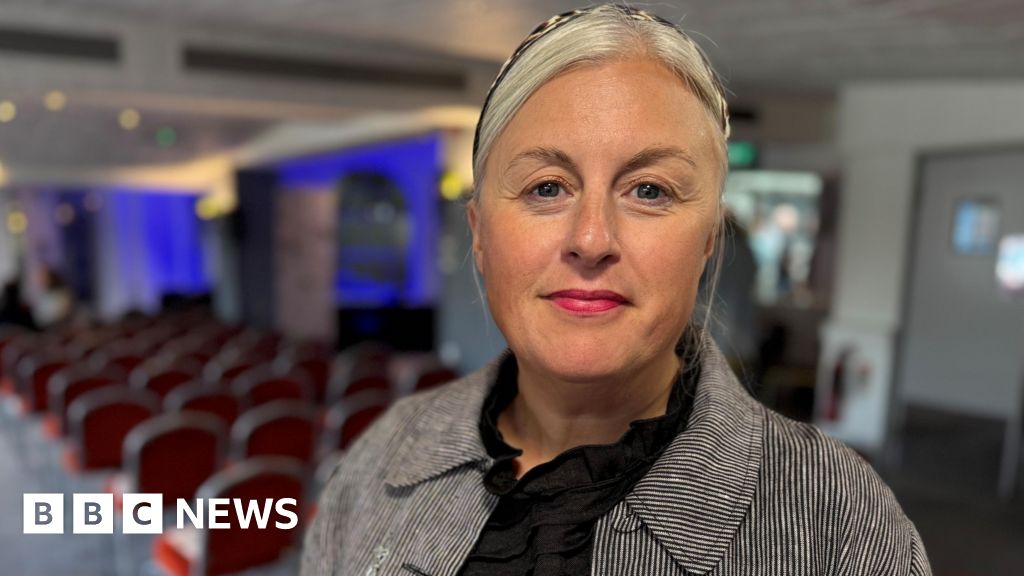

Advocate Michelle Welsh Pledges to Champion Safer Care for Mothers and Babies
In a bold declaration, Michelle Welsh, a prominent advocate for maternal and child health, has vowed to intensify efforts to ensure better and safer care for mothers, babies, and families nationwide. Her commitment comes at a critical time as the United States grapples with persistent disparities in maternal healthcare and rising concerns over preventable complications during childbirth.
Welsh, a seasoned campaigner with decades of experience in healthcare policy and advocacy, emphasized the urgent need for systemic change. “Every mother deserves access to safe, dignified care, and every baby deserves a healthy start in life,” she stated. “This is not just a healthcare issue—it’s a matter of justice and equity.”
Her pledge aligns with ongoing national conversations about the state of maternal healthcare, particularly in light of alarming statistics. The U.S. has one of the highest maternal mortality rates among developed nations, with Black and Indigenous women disproportionately affected. According to recent data, Black women are three times more likely to die from pregnancy-related causes than their white counterparts.
Welsh’s advocacy focuses on three key areas: improving access to healthcare services, addressing systemic racism within the medical system, and enhancing postpartum care. She plans to collaborate with policymakers, healthcare providers, and grassroots organizations to push for legislative reforms and increased funding for maternal health programs.
The Broader Context: A Crisis in Maternal Healthcare
The push for safer maternal care is not new but has gained momentum in recent years amid growing public awareness. High-profile cases of preventable maternal deaths and near-misses have sparked outrage and calls for accountability. Experts point to a combination of factors, including lack of access to quality care, implicit bias among healthcare providers, and insufficient postpartum support.
The COVID-19 pandemic exacerbated these challenges, straining healthcare systems and exposing deep-rooted inequities. Many pregnant individuals faced delayed or canceled prenatal appointments, while others struggled to access critical resources.
Welsh’s advocacy also intersects with broader efforts to address healthcare disparities. Organizations like the Centers for Disease Control and Prevention (CDC) and the American College of Obstetricians and Gynecologists (ACOG) have called for comprehensive reforms, including expanded Medicaid coverage, increased training for healthcare providers, and improved data collection to track maternal outcomes.
Why This Matters: A Matter of Life and Death
The stakes could not be higher. Maternal mortality not only devastates families but also has far-reaching societal impacts. Children who lose their mothers are at greater risk of adverse outcomes, from poverty to developmental challenges. Economically, the cost of maternal morbidity—complications that affect a mother’s health—runs into billions of dollars annually.
For many advocates, the issue is deeply personal. “I’ve seen mothers who trusted the system and were let down,” Welsh said. “No family should have to endure that pain.”
Her advocacy resonates with grassroots movements like Black Mamas Matter Alliance and March for Moms, which have been at the forefront of the fight for equitable maternal care. These groups emphasize the importance of centering the voices of those most affected, particularly women of color and low-income families.
Looking Ahead: A Path Forward
Welsh’s commitment signals a renewed push for change, but the road ahead is fraught with challenges. Achieving equitable maternal care will require sustained effort, collaboration, and accountability. Lawmakers, healthcare providers, and communities must work together to dismantle systemic barriers and ensure that every mother and baby receives the care they deserve.
The implications of this advocacy extend beyond healthcare. By addressing maternal mortality and morbidity, society can create a ripple effect, improving outcomes for future generations and fostering a more equitable healthcare system.
As Welsh prepares to ramp up her efforts, her message is clear: “This is not just about saving lives—it’s about valuing them. Every mother, every baby, every family deserves nothing less.”
Her work serves as a reminder that the fight for safer maternal care is far from over, but with advocates like Welsh leading the charge, there is hope for a brighter, healthier future.
