


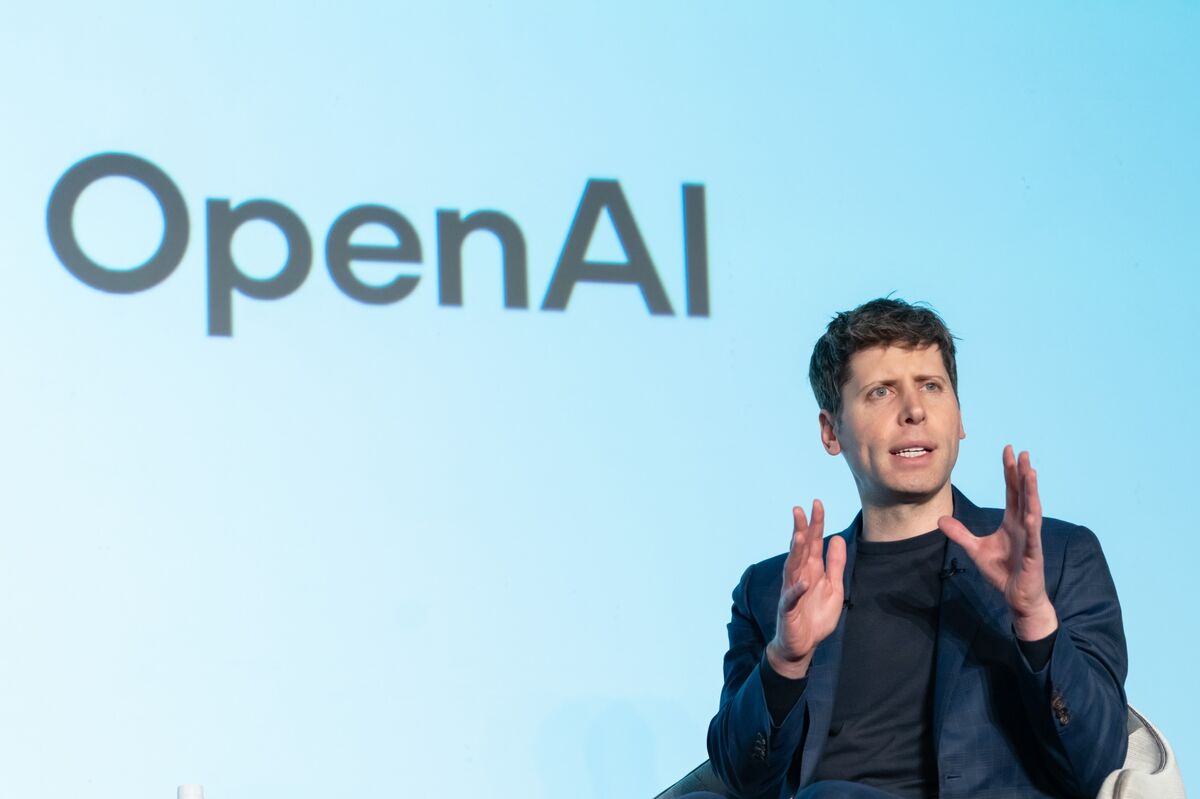

OpenAI Poised for Blockbuster IPO as AI Industry Reaches Inflection Point
San Francisco, CA – OpenAI, the artificial intelligence research lab behind the revolutionary ChatGPT, is finalizing preparations for a landmark initial public offering (IPO) that could value the company in the tens of billions, according to sources familiar with the matter. The Wall Street Journal first reported that the high-profile offering—expected to be filed in the coming days or weeks—would mark one of the most closely watched market debuts since the tech boom of the early 2020s.
The move signals a pivotal moment not just for OpenAI but for the broader AI industry, which has surged in both commercial relevance and geopolitical significance over the past two years. Founded in 2015 as a non-profit with backing from Silicon Valley luminaries including Elon Musk and Sam Altman, OpenAI transitioned to a “capped-profit” model in 2019 to attract investment while maintaining its mission to develop artificial general intelligence (AGI) safely. Now, with ChatGPT boasting over 100 million weekly users and enterprise clients ranging from Microsoft to Morgan Stanley, the company appears ready to leverage public markets to fuel its next phase of expansion.
Why an IPO Now? Market Timing and Strategic Ambitions
The decision to go public aligns with OpenAI’s aggressive growth strategy. Industry analysts suggest the company is capitalizing on peak investor enthusiasm for generative AI, a sector projected to grow from $40 billion in 2022 to $1.3 trillion by 2032, according to Bloomberg Intelligence. The IPO would provide OpenAI with the capital to compete with rivals like Google’s DeepMind and Anthropic, while also funding costly AI infrastructure, including the specialized chips and data centers required to train next-generation models.
However, the timing also raises questions. OpenAI has faced scrutiny over its governance structure—particularly its unusual balance between its original non-profit board and its for-profit subsidiary, OpenAI LP. A public listing would subject the company to greater regulatory and shareholder oversight, potentially complicating its long-stated commitment to ethical AI development.
“An IPO could be a double-edged sword,” said Dr. Helen Tran, a tech policy fellow at the Brookings Institution. “While it unlocks capital, it also pressures OpenAI to prioritize short-term returns over cautious, safety-first AI deployment—a tension that has defined the industry for years.”
Valuation Speculation and Investor Frenzy
Though OpenAI has not disclosed financial targets, estimates from venture capital firms suggest a potential valuation between $80 billion and $100 billion. For context, this would place OpenAI in the same league as industry titans like Uber ($82 billion at IPO) and exceed the market debuts of Meta (then Facebook) and Alibaba in their early years.
Microsoft, which has invested over $13 billion in OpenAI and integrates its technology into Azure, Windows, and Office products, is expected to retain a significant stake post-IPO. Other early backers, including Khosla Ventures and Reid Hoffman’s charitable foundation, could see astronomical returns.
Yet skeptics caution that OpenAI’s path to profitability remains uncertain. The company reportedly spends over $700,000 daily to operate ChatGPT alone, and its revenue streams—primarily from API access and premium subscriptions—are untested at scale. “The market is pricing in exponential growth, but AI adoption in enterprise is still in its infancy,” noted Goldman Sachs tech analyst Mark Chen.
Regulatory Hurdles and Global Scrutiny
Beyond financial challenges, OpenAI’s IPO will unfold against a backdrop of intensifying regulatory scrutiny. The European Union’s AI Act, the U.S. White House’s executive order on AI safety, and China’s restrictive AI laws all pose compliance risks. OpenAI’s partnerships with governments—such as its work with the Pentagon on cybersecurity tools—could also attract political backlash, particularly from critics wary of militarized AI.
Meanwhile, competitors are circling. Google’s Gemini, Anthropic’s Claude, and a flurry of open-source alternatives like Meta’s Llama are eroding OpenAI’s first-mover advantage. “The IPO isn’t just about raising money—it’s about staying ahead in a hyper-competitive arms race,” said AI investor Sarah Guo.
The Human Factor: Leadership and Mission Drift
At the heart of OpenAI’s identity is a founding pledge to “ensure AGI benefits all of humanity.” Yet the pressures of going public may test that idealism. The abrupt ousting and reinstatement of CEO Sam Altman in late 2023 exposed rifts between the company’s commercial ambitions and its non-profit roots. Employees and researchers have privately voiced concerns that an IPO could accelerate mission drift, with one former staffer telling The Guardian, “Once you answer to Wall Street, ethics committees don’t get the final say.”
What’s Next for AI’s Most Influential Startup?
If successful, OpenAI’s IPO could redefine the AI landscape, setting benchmarks for how transformative technologies are monetized and governed. For retail investors, it offers a rare chance to bet on AI’s future; for policymakers, it’s a case study in balancing innovation with accountability.
As markets await the filing, one thing is clear: OpenAI’s transition from a research lab to a publicly traded giant will be a litmus test for whether the AI revolution can align profit with purpose. The world will be watching—not just the share price, but whether the company can navigate the trillion-dollar promise of AI without losing its soul.
